Bay Area Punk
Art-school sarcasm, slowed-down sludge and speed-freak hardcore, all pressed within a few miles of each other.
What you're really asking
You're asking about two cities pretending to be one. San Francisco punk started as art-damaged theatre on Broadway — leather, sarcasm, bands who'd rather be a prank than a career — and the East Bay answered in the eighties with an all-ages club, a zine and a distribution network that ran on volunteer labour.
The thread between them isn't a tempo or a guitar tone; it's a refusal to let the record industry anywhere near the pressing plant.
Where it sits
Crime cut "Hot Wire My Heart" in 1976 and put it out themselves — among the first American punk singles on a band's own label. The Nuns, Avengers and Negative Trend followed into Mabuhay Gardens on Broadway, where Dirk Dirksen booked and heckled the bills.
V. Vale ran Search & Destroy out of City Lights from 1977.
In 1979 Jello Biafra and East Bay Ray started Alternative Tentacles; Biafra ran for mayor the same year and placed fourth. Steve Tupper's Subterranean pressed Flipper and the city's weirder end.
Tim Yohannan's Maximum Rocknroll went from KPFA radio show to print zine in 1982, co-released the 47-band Northern California comp Not So Quiet on the Western Front that year, and seeded 924 Gilman Street in Berkeley at the end of 1986.
Lookout! came next, and Green Day came out of Lookout!.
The scene
Who: Dirksen at the Mabuhay, Vale with a typewriter, Tupper and Biafra with labels, Yohannan with a mailing list; venues the Deaf Club, Target Video's loft, later Gilman. What: no house sound.
Crime played rockabilly swagger in police uniforms, Flipper dragged everything to a crawl while hardcore sprinted, Dead Kennedys ran surf guitar under political satire. How a record gets in: self-released or on a local independent, documented in MRR or Search & Destroy, and funny or ugly in a way a major label would have sanded off.
The leading records
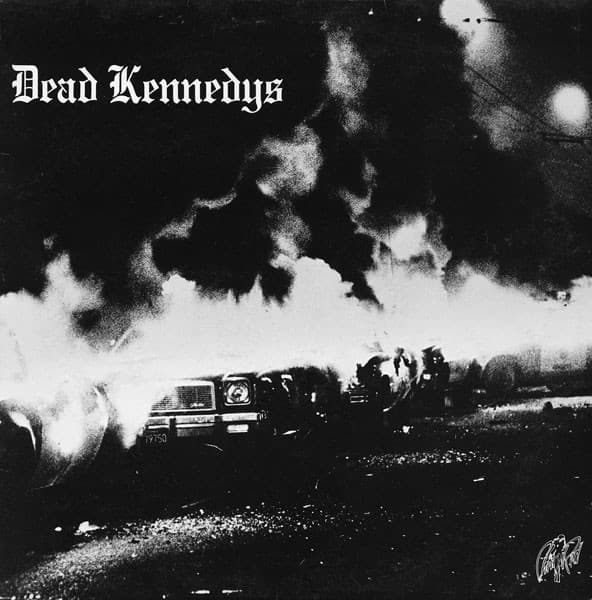
Dead Kennedys
Fresh Fruit For Rotting Vegetables
1980
Surf-guitar tremolo and courtroom sarcasm; early pressings carried a fold-out poster of police cars burning in the White Night riots.
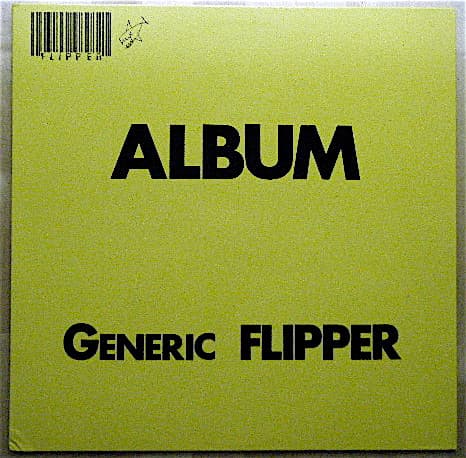
Flipper
Album – Generic Flipper
1982
Two bassists trading off, tempos cut in half while everyone else sped up — Subterranean's loudest argument against hardcore.
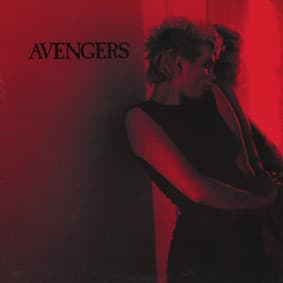
Avengers
Avengers
1983
The Pink Album: Penelope Houston's 1977-79 recordings compiled posthumously, half of it produced by Steve Jones after they opened the Pistols' last show.
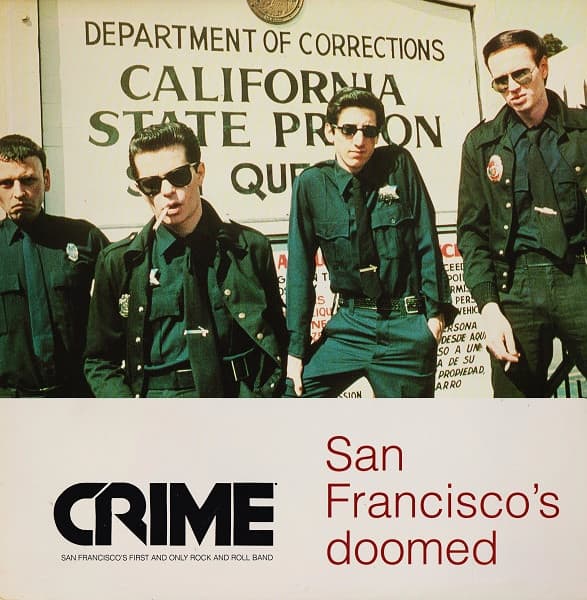
Crime
San Francisco's Doomed
1990
Twenty tracks from 1978-79 demos, finally issued by a UK label a decade after the band stopped; Superior Viaduct put it back out in 2022.
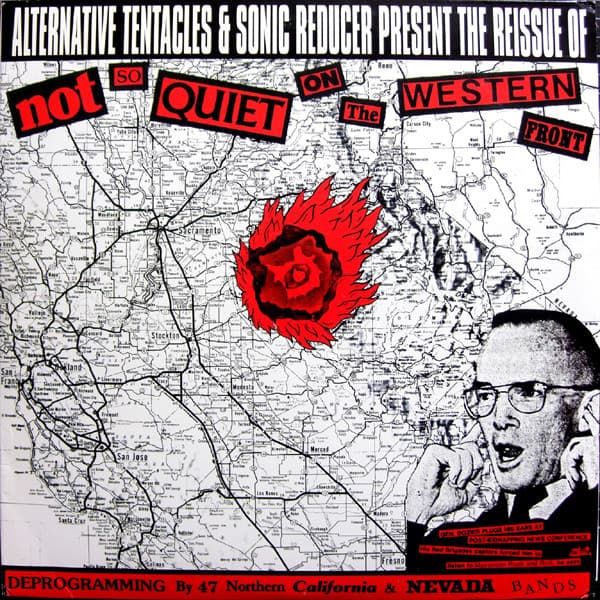
Various
Not So Quiet On The Western Front
1982
Forty-seven Northern California bands on one double LP, funded by Maximum Rocknroll — the census that proved the scene had a map.
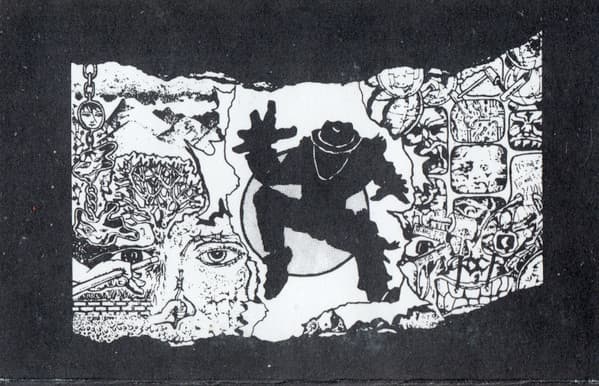
Operation Ivy
Energy
1989
Gilman Street's house record: ska upstrokes welded to hardcore, made by a band that broke up the year it came out.