Bay Area Thrash Metal
Riffs cut like machine tools, tempos past 200bpm, and a garage circuit that rewrote American metal.
What you're really asking
You're asking about riffs, not songs. Bay Area thrash took the NWOBHM template and hardcore's tempo and made the rhythm guitar the lead instrument — downpicked, palm-muted, arranged in blocks rather than verses.
It's a local musicians' scene before it's a style: the same dozen players swapped bands, the same four clubs hosted them, and the records are a paper trail of who was in which room that month.
Where it sits
Metallica moved from Los Angeles to El Cerrito in early 1983 and found Exodus, formed in Richmond in 1979 by Tom Hunting and Kirk Hammett, already playing it. Hammett left Exodus for Metallica that April; Exodus pulled in Rick Hunolt and Paul Baloff.
The infrastructure was local and cheap: Ruthie's Inn in Berkeley, The Stone and the Old Waldorf in San Francisco, Ron Quintana's Metal Mania fanzine, Rampage Radio on KUSF after midnight.
The labels came from elsewhere — Megaforce in New Jersey, Combat and its Torrid subsidiary in New York, Enigma and Metal Blade in Southern California, Shrapnel across the bridge in Novato.
By 1986 it had an Elektra platinum album and a template copied in Germany, Brazil and Florida. By 1991 the bands who stayed thrash were playing to the crowd that had left.
The scene
Who: Metallica, Exodus, Testament (as Legacy until 1986), Death Angel, Possessed, Vio-lence, Heathen, Forbidden. Mark Whitaker managed Exodus and ran sound; Alex Perialas and Flemming Rasmussen cut the records that defined the drum sound.
What: downpicked eighth-note riffs, start-stop arrangements, mid-song tempo breaks, solos traded between two guitarists, vocals shouted on the beat. How a record gets in: it came off the local club circuit between roughly 1983 and 1990, the riff does the writing, and the personnel overlap with another band on this list.
Lineups churned — Zetro left Legacy for Exodus, Chuck Billy replaced him, and the records followed the swaps.
The leading records
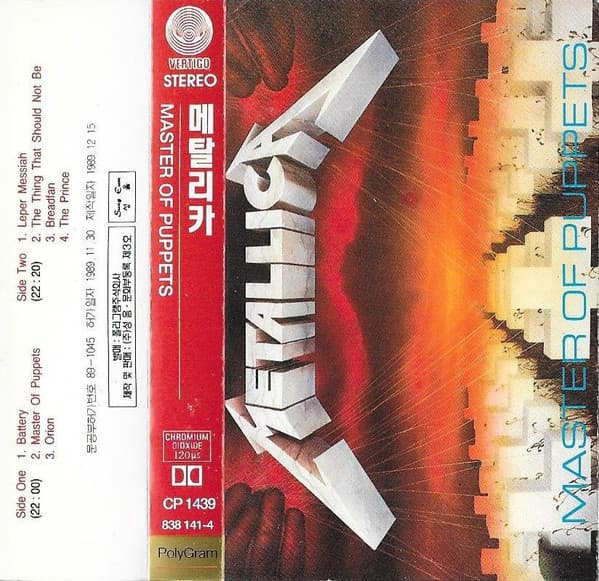
Metallica
Master Of Puppets
1986
Cut in Copenhagen with Flemming Rasmussen, Cliff Burton's last album — the record that proved thrash could carry eight-minute arrangements.
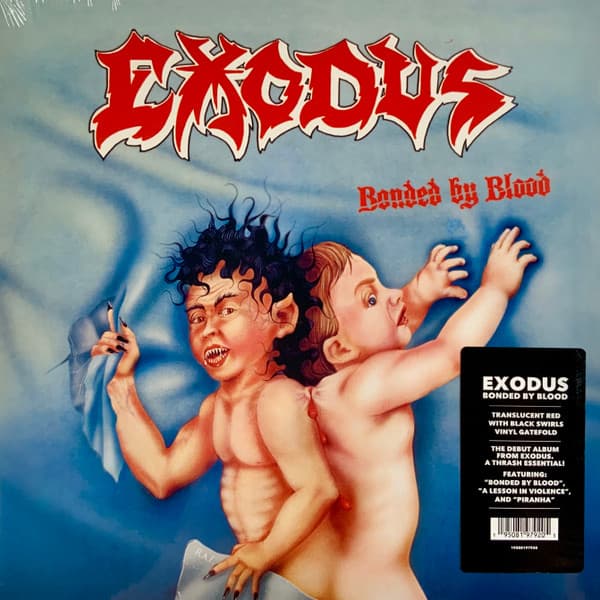
Exodus
Bonded By Blood
1985
Recorded in 1984 as "A Lesson In Violence", shelved almost a year by label trouble — Baloff's only studio album with the band.
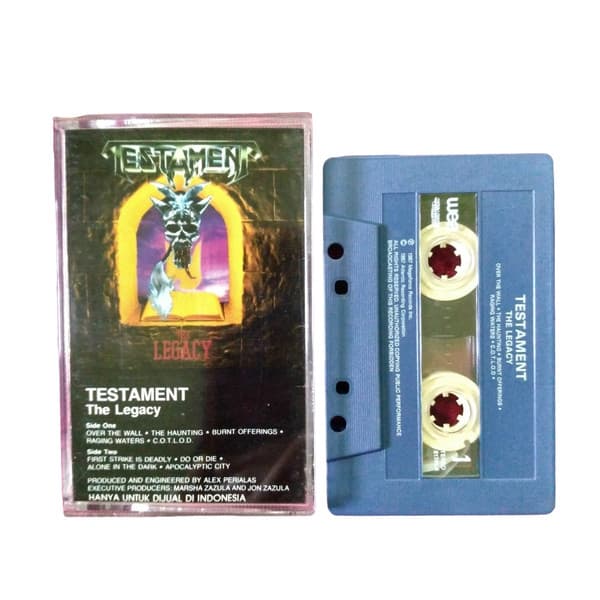
Testament
The Legacy
1987
Chuck Billy's first record, made weeks after Zetro's exit; Alex Skolnick, a Satriani student, brought phrasing nobody else in thrash was using.
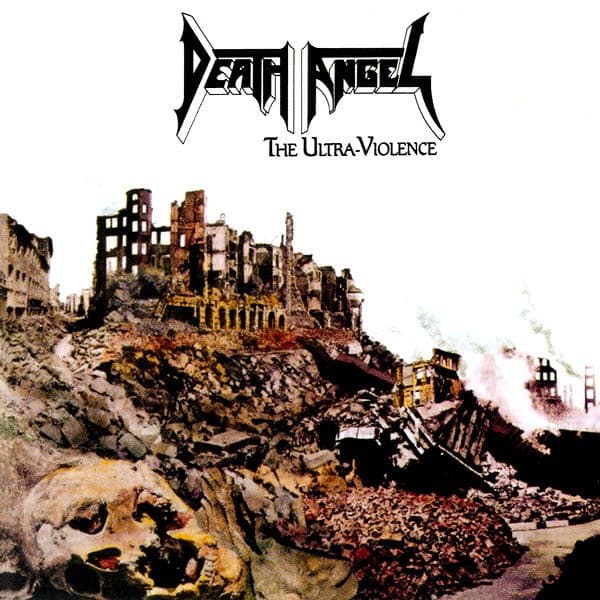
Death Angel
The Ultra-Violence
1987
Four Filipino-American cousins, drummer Andy Galeon barely into his teens on the demo Kirk Hammett produced the year before.
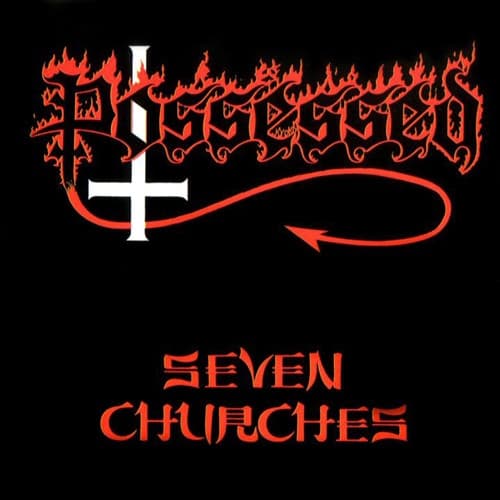
Possessed
Seven Churches
1985
Same clubs, same circuit, but Jeff Becerra's growl and the tritone riffing gave Florida and Sweden their starting point.
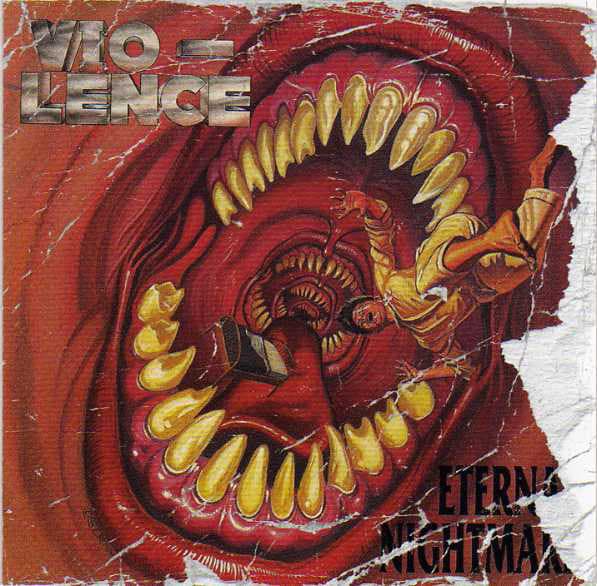
Vio-lence
Eternal Nightmare
1988
The second wave's loudest document — Phil Demmel and Robb Flynn's guitar team, five years before Machine Head.
Oddballs
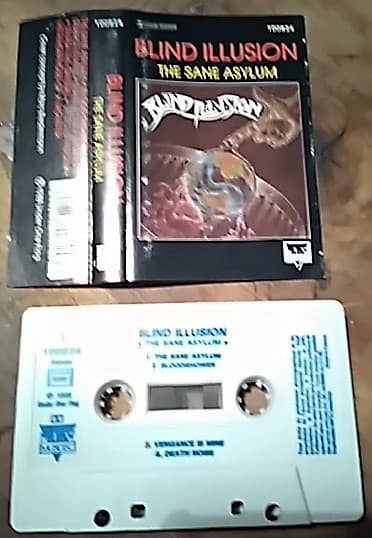
Blind Illusion
The Sane Asylum
1988
Marc Biedermann's prog-thrash one-off, with Les Claypool on bass and ex-Possessed Larry LaLonde on guitar — Kirk Hammett produced but took no credit.
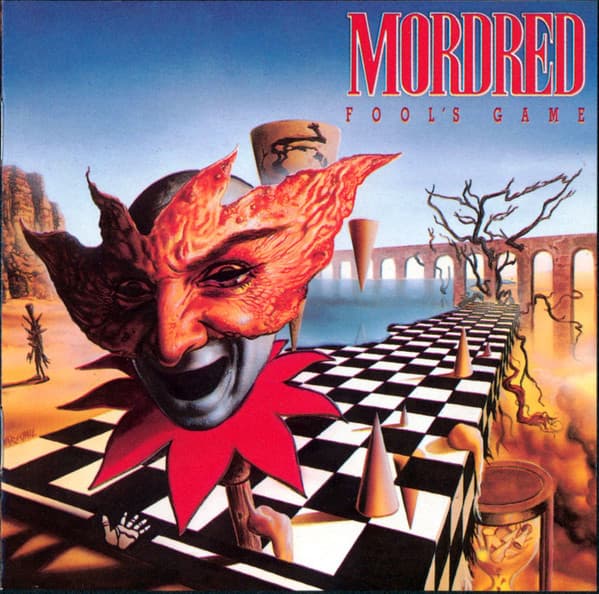
Mordred
Fool's Game
1989
Bay Area thrash with a turntablist in the lineup and a Rick James cover, two years before anyone called it rap-metal.