Berlin Techno
Grey rooms, long nights, loops that barely change — techno built as architecture rather than as songs.
What you're really asking
You're asking about a city that turned an empty building problem into a sound. After 1989 Berlin had more unused space than money, so the music grew long, loud and repetitive to fill it — tracks made for rooms, not for radio.
Two poles hold it together: the reverb-soaked dub end that came out of a record shop in Kreuzberg, and the dry steel end that came out of a bank vault.
Where it sits
The Wall opened in November 1989. Dr.
Motte's UFO club and the first Love Parade had already started that year, but the East's abandoned power stations, bunkers and vaults are what made the scene scale. Tresor opened in 1991 in the safe vault beneath the old Wertheim department store on Leipziger Straße and immediately bound Berlin to Detroit — Underground Resistance, Jeff Mills, Blake Baxter all pressed records there.
Mark Ernestus had opened Hard Wax in 1989; in 1993 he and Moritz von Oswald started Basic Channel. They built their own mastering house, Dubplates & Mastering, to get the cut they wanted, then founded Chain Reaction in 1995 around the shop's extended circle.
Ostgut ran 1998–2003; Berghain replaced it in 2004, with Ostgut Ton from 2005. Minimal took the 2000s, Berghain's harder sound took the 2010s.
The scene
Who: von Oswald and Ernestus at Hard Wax; Dimitri Hegemann at Tresor; Ellen Allien's BPitch Control from 1999; Berghain's residents — Ben Klock, Marcel Dettmann, Norman Nodge, nd_baumecker.
What: tracks built from one idea held for eight minutes, mixed so the bass and the room do the work. Long intros, no vocal hooks, functional arrangements with locked-groove patience.
How it works: a record gets in if a resident can play it at 4am in a concrete hall — which means headroom, a clean low end, and enough restraint that two copies can run together. Hard Wax's weekly listening wall has been the filter for thirty-five years.
The leading records

Basic Channel
BCD
1995
Edits and full lengths from the duo's aliased 12"s gathered in one place — the dub-techno blueprint, CD-only for decades.

Ellen Allien
Berlinette
2003
Breaks, electro and techno on a BPitch double 12", with her own German vocals pushed up front where the genre usually has none.
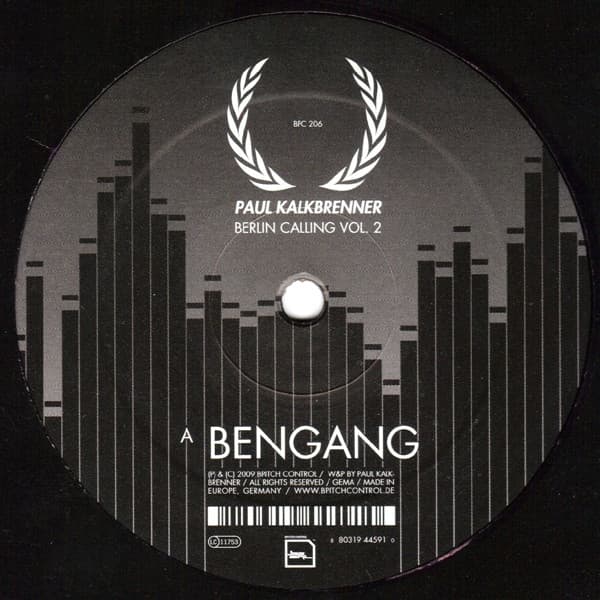
Paul Kalkbrenner
Berlin Calling
2008
Soundtrack to Hannes Stöhr's film, in which Kalkbrenner also acted; "Sky And Sand" carried Berlin techno into German living rooms.
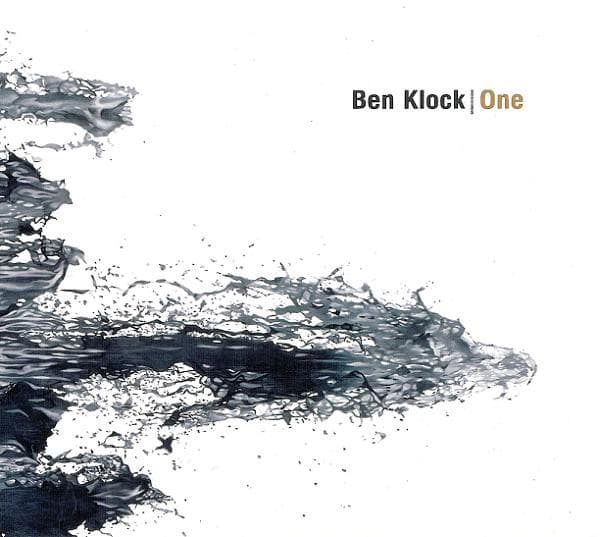
Ben Klock
One
2009
The Berghain resident's debut album on Ostgut Ton — "Subzero" is the rolling, low-mid sound the main floor built its reputation on.
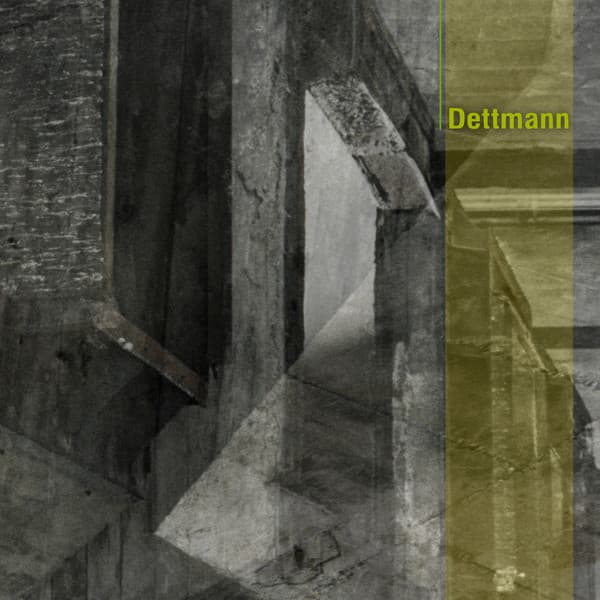
Marcel Dettmann
Dettmann
2010
Ostgut Ton again, drier and more metallic — the industrial pole of the Berghain booth, where Klock is the dub pole.