Bolero
The romantic song of Cuba and Mexico — trios, crooners and the slow ache of filin.
What you're really asking
You're asking about the bolero: the romantic ballad that ran through Cuba and Mexico across the twentieth century, and its more intimate, jazz-touched Cuban cousin, filin. It is music of voice and sentiment, from solo trovadores to the great close-harmony trios.
Where it sits
The bolero grew out of nineteenth-century Cuban trova and spread across Latin America, with Mexico becoming a second home. Composers like Agustín Lara and Álvaro Carrillo wrote standards, trios such as Los Panchos and Los Tres Reyes defined the harmony sound, and in Havana the filin movement, through José Antonio Méndez and others, brought a jazz-informed intimacy.
The scene
Who: Agustín Lara, Álvaro Carrillo, José Antonio Méndez, Los Panchos, Los Tres Reyes, Los Tres Diamantes and the great interpreters. Where: Cuba and Mexico above all.
What: romantic song built on voice and close harmony, from trova to filin. How a record gets in: it is part of this bolero and filin tradition.
The leading records
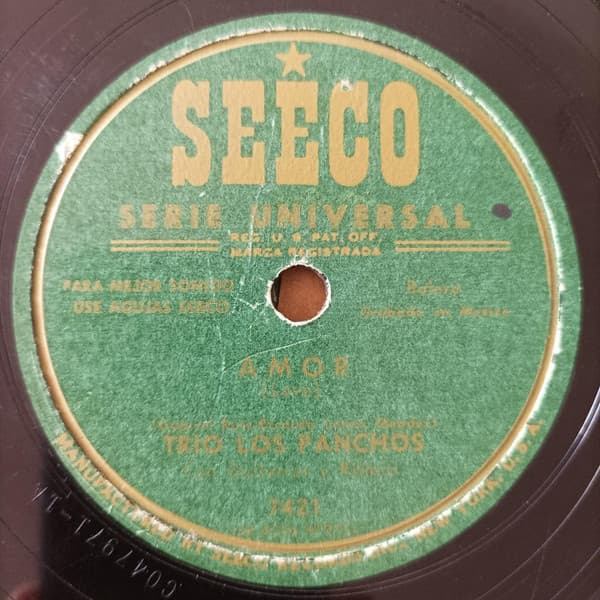
Trio Los Panchos
Amor / Besame Mucho
1954
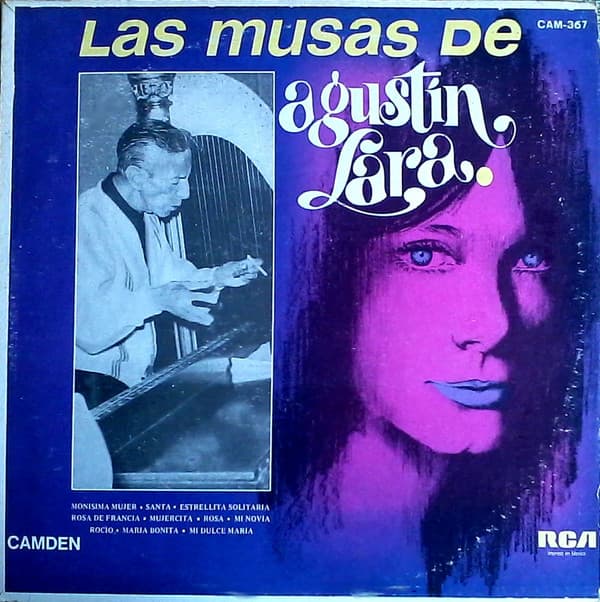
Agustín Lara
Las Musas De Agustín Lara
1968
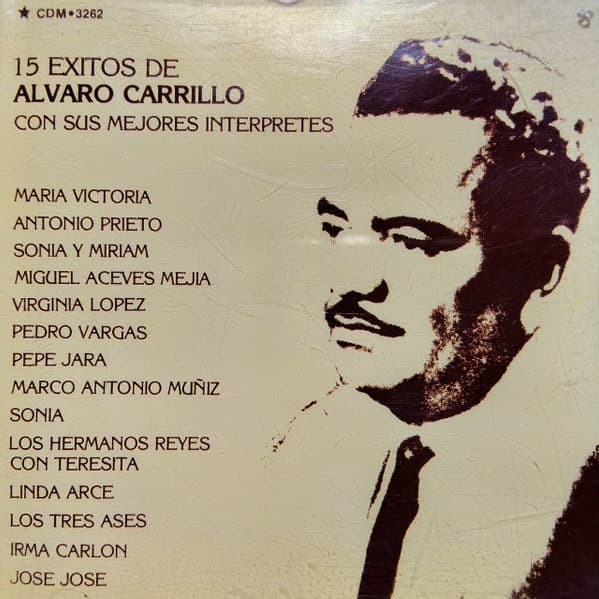
Álvaro Carrillo
15 Éxitos De Álvaro Carrillo Con Sus Mejores Intérpretes
1992
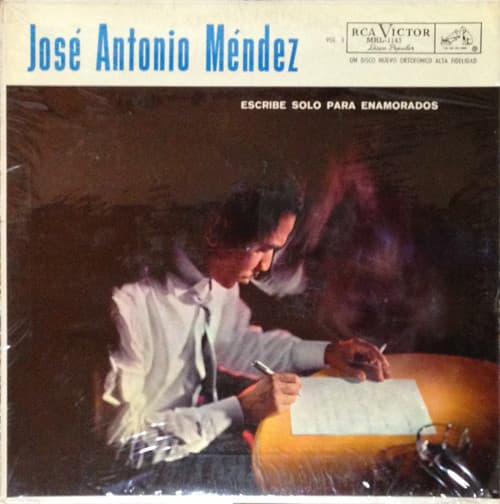
José Antonio Méndez
Escribe Solo Para Enamorados
1958
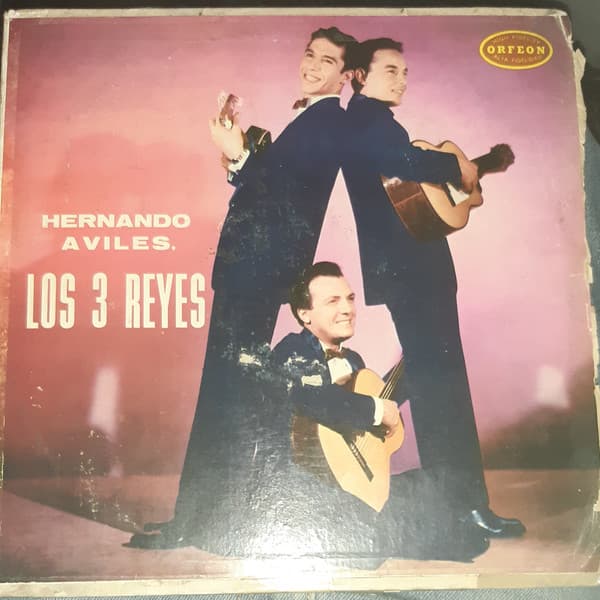
Los Tres Reyes
Los Tres Reyes
1963
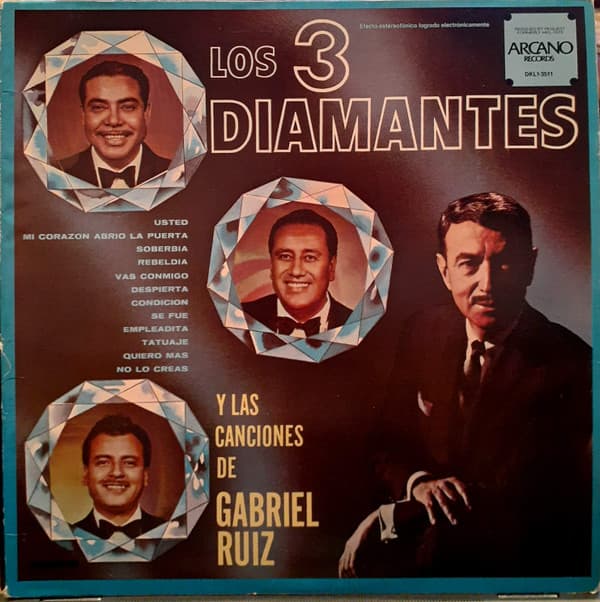
Los Tres Diamantes
Y Las Canciones De Gabriel Ruiz
1965
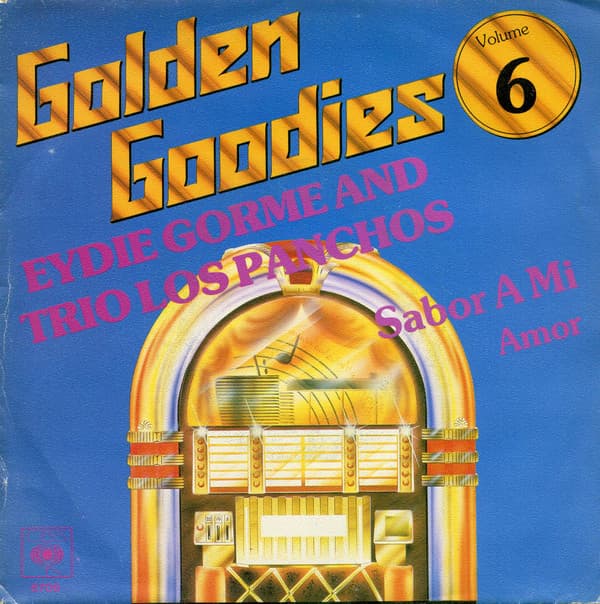
Eydie Gormé
Sabor A Mi
1965
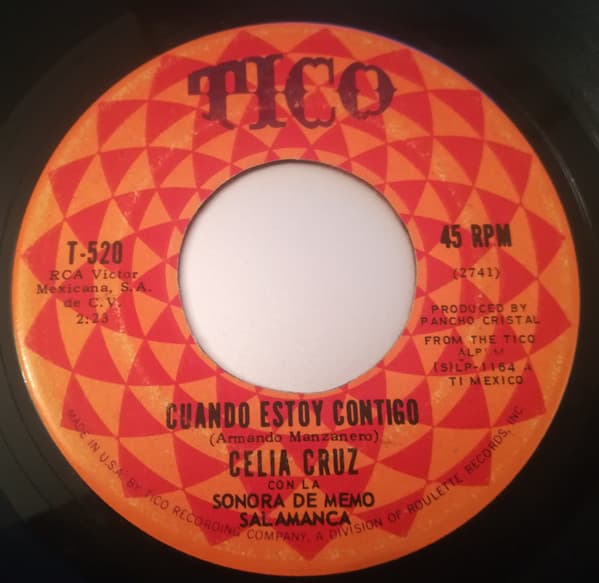
Celia Cruz
Matias Perez Boogaloo / Cuando Estoy Contigo
1968
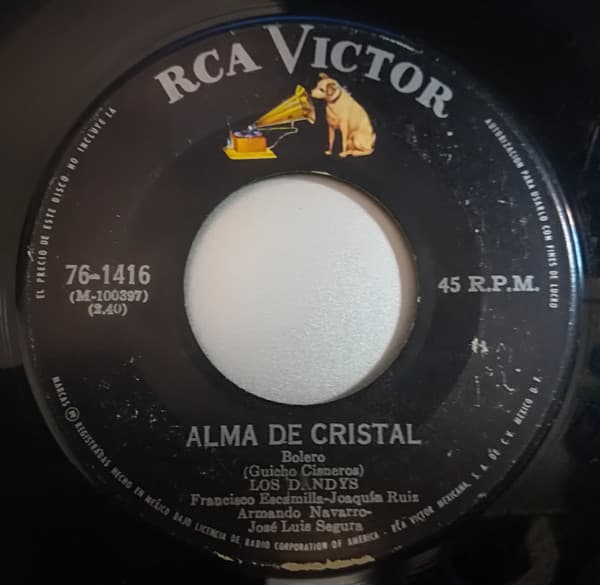
Los Dandys
Tres Regalos / Alma De Cristal
1962
Oddballs
Keep digging
- Start with the great harmony trios
- The Cuban filin movement
- Agustin Lara's standards
- The boleros that crossed into jazz