Boston Hardcore
Straight edge muscle and metallic fury — two generations of Boston kids taking hardcore personally.
What you're really asking
Boston hardcore is two waves wearing the same jacket: the 1982 straight-edge crews who made punk disciplined and dangerous, and the late-nineties generation who bent it into metal and poetry.
Both play it like a contact sport.
Where it sits
SS Decontrol and DYS put Boston on the map in 1982 — straight edge as gang identity, X's on fists. The scene resurfaced globally around the turn of the millennium: Converge's Jane Doe in 2001 redrew what heavy meant, American Nightmare made hardcore write like a diary, and Have Heart filled rooms with pile-ons from Boston to Jakarta.
Bridge Nine and Deathwish, both local labels, carried it.
The scene
Who: Converge as the elders, Have Heart and American Nightmare as the voices, Bridge Nine and Deathwish as the paper trail. What: hardcore that is either faster or heavier than yours, with lyrics meant to be read.
How it works: a record gets in by conviction — technical or raw, it has to sound like it costs something.
The leading records
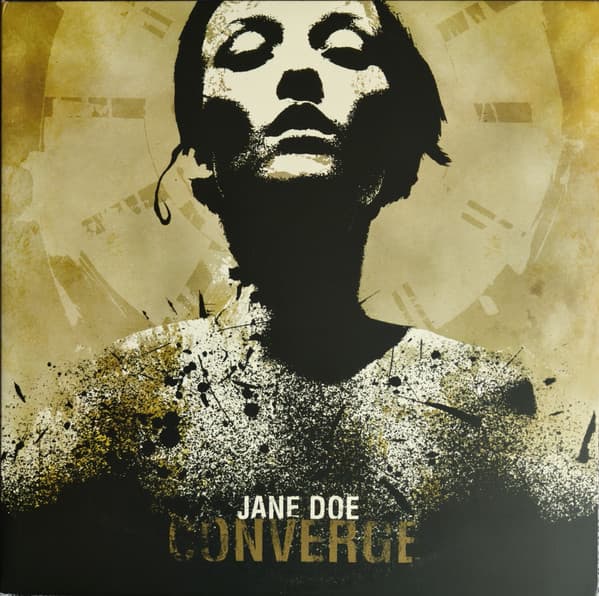
Converge
Jane Doe
2001
The record that ended the argument about whether hardcore could be art.
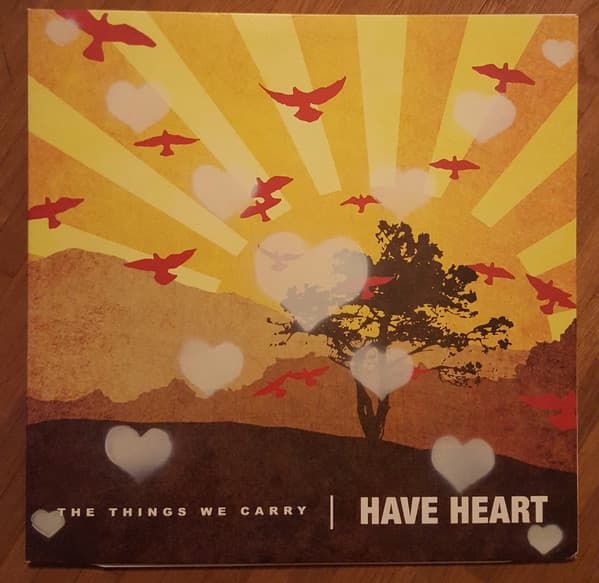
Have Heart
The Things We Carry
2006
The modern straight-edge statement; last-show footage is a genre of its own.
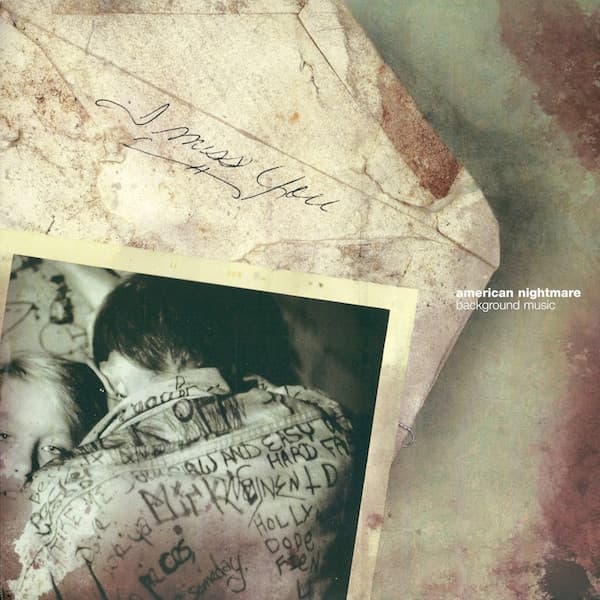
American Nightmare
Background Music
2001
Heartbreak at hardcore tempo — the most quoted lyric sheet of its era.

Bane
Give Blood
2001
The scene's conscience; every breakdown doubles as a pep talk.
SS Decontrol
The Kids Will Have Their Say
1982
Where Boston straight edge starts — crude, furious, foundational.
Oddballs
Keep digging
- What did Deathwish release after Jane Doe?
- Boston versus New York hardcore — what's the actual difference?
- Where did straight edge go after Have Heart?