Bristol / Wild Bunch & Trip-Hop
A sound system’s record bag becomes a different kind of album.
What you're really asking
There is reggae weight under the bass, hip-hop in the construction, and soul in the voices. Bristol’s music came from people sharing records and working across local crews before it became an internationally marketed sound.
The albums preserve that mixture without all following the same formula.
Where it sits
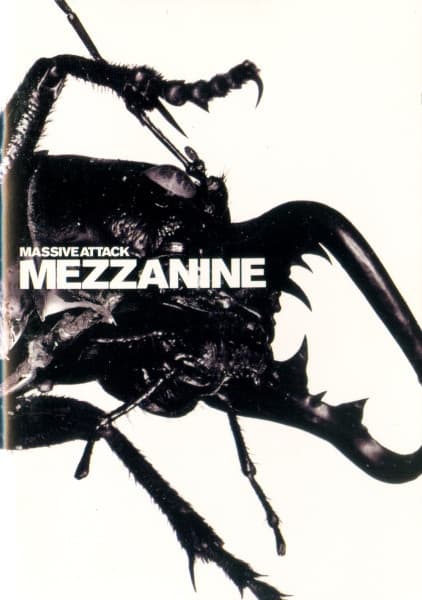
In the 1980s, Bristol’s sound-system and hip-hop crews included the Wild Bunch. Massive Attack formed from that circle in 1988; Blue Lines arrived in 1991.
Smith & Mighty were another crucial local production force. Tricky’s Maxinquaye and Portishead’s work opened further directions in the 1990s.
The name trip-hop spread internationally, but it can hide the particular local relationships that made these records possible. Bristol’s drum-and-bass history overlaps the wider city story without being identical to this album-centred route.
The scene
Who: Daddy G, Robert Del Naja, Mushroom, Tricky, Nellee Hooper, Smith & Mighty and Portishead’s circle. Places: the Dug Out, local sound-system events and studios.
What: sampled rhythm, dub space, distinctive voices and producers who move across projects. A slow breakbeat alone is not a Bristol connection; Kruder & Dorfmeister and DJ Krush belong to other networks.
The leading records
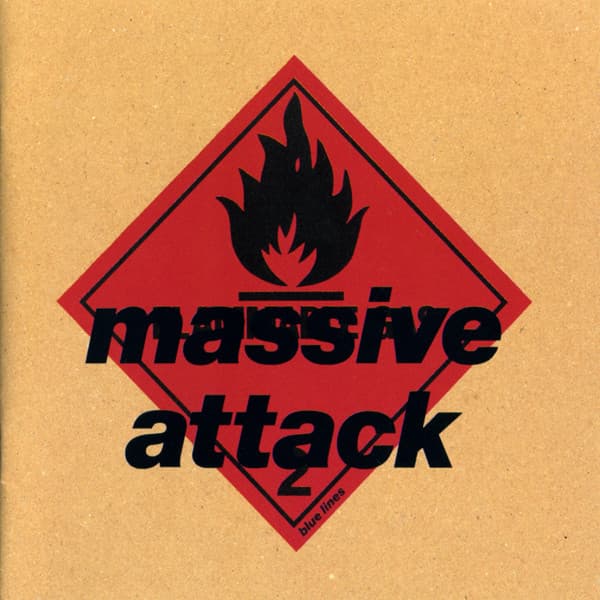
Massive Attack
Blue Lines
1991
Hear the crew culture becoming an album.
Massive Attack
Protection
1994
A different vocal and production balance inside the same circle.
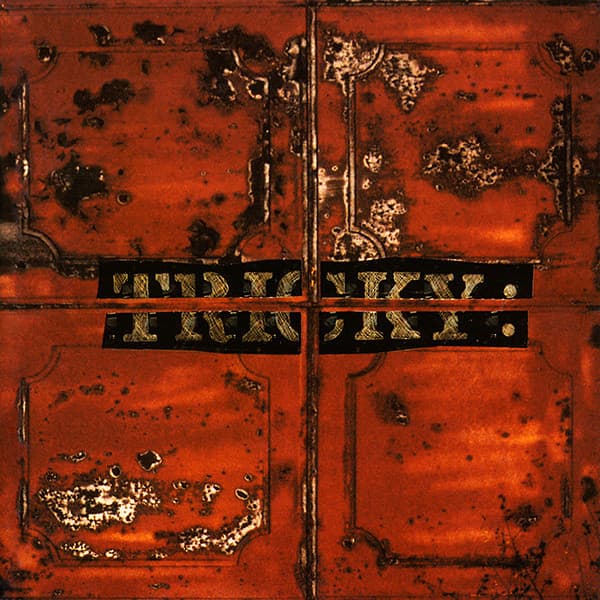
Tricky
Maxinquaye
1995
A close connection taking a more unstable, personal direction.
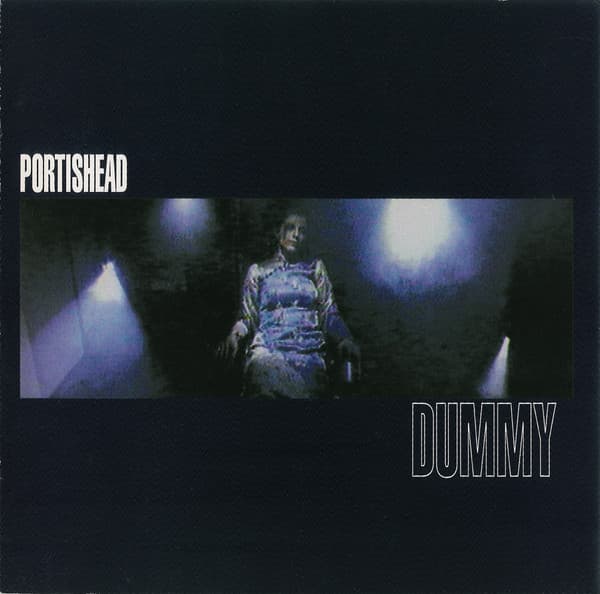
Portishead
Dummy
1994
Another Bristol studio world, with a distinct emotional atmosphere.
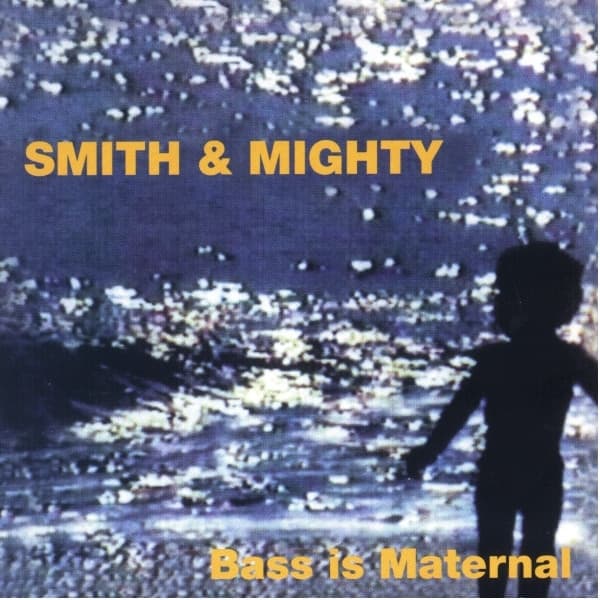
Smith & Mighty
Bass Is Maternal
1995
A route towards the city’s bass-focused production history.
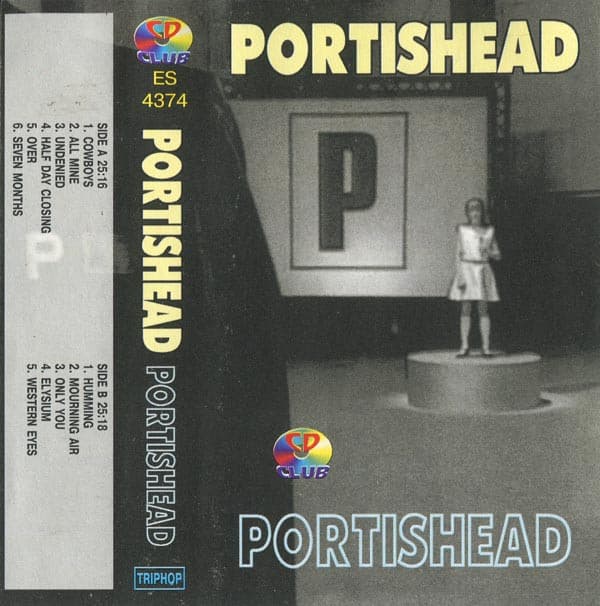
Portishead
Portishead
1997
The second album's colder, sharper edge.
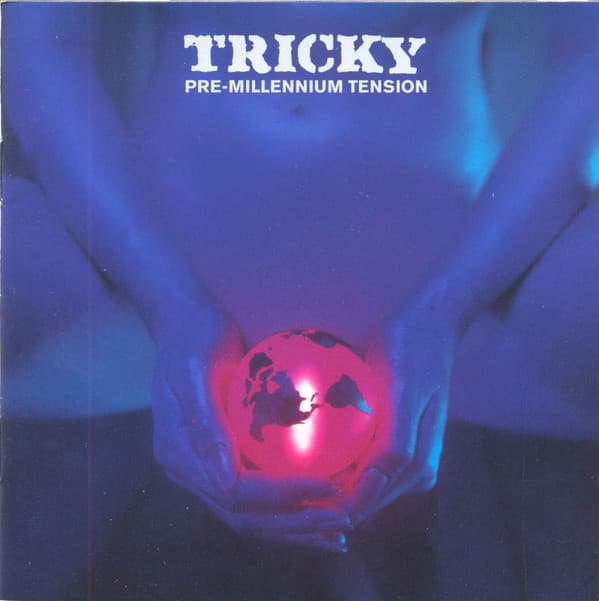
Tricky
Pre-Millennium Tension
1996
The claustrophobic follow-up to Maxinquaye.
'/%3E%3Ctext x='150' y='170' text-anchor='middle' font-family='system-ui' font-size='80' font-weight='600' fill='white' opacity='0.6'%3ER%3C/text%3E%3C/svg%3E)
Roni Size / Reprazent
New Forms
Talkin' Loud · 1997
Bristol's jazz-schooled drum and bass crossover.
Read more →
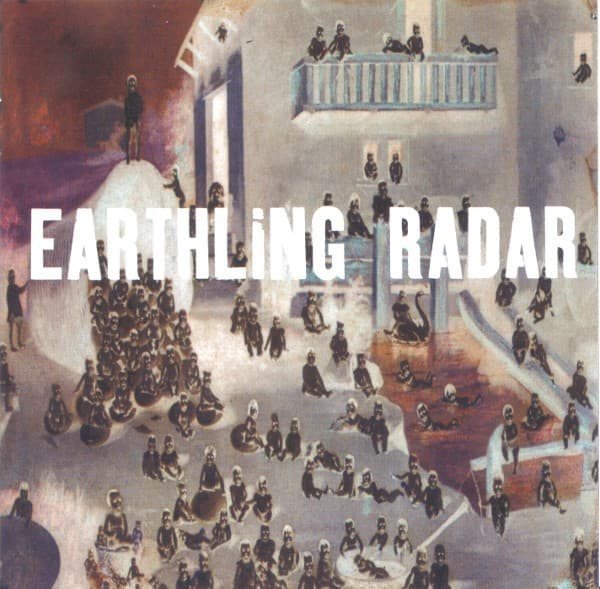
Earthling
Radar
1995
The hip-hop-leaning corner of the Bristol map.
Oddballs
Keep digging
- Start with the Wild Bunch’s shared history
- Smith & Mighty: follow the bass
- The vocal collaborators behind the albums
- Bristol’s connections to London soul and UK dub