Canterbury Scene
English jazz-rock with fuzz organ, odd time signatures and deadpan humour — a family tree, not a sound.
What you're really asking
You're asking about a family tree that got mistaken for a genre. A couple of dozen musicians from one cathedral town in Kent kept swapping bands for fifteen years, and the label stuck to the lineage rather than to any one sound.
What they shared: jazz chops played on rock gear, Hammond run through fuzz, lyrics that are absurd on purpose, and an English politeness laid over music in 7/8.
Where it sits
Canterbury, Kent, 1964. The Wilde Flowers form around Robert Wyatt, Hugh and Brian Hopper, Kevin Ayers, Richard Sinclair, Pye Hastings and Richard Coughlan.
They release nothing at the time; the tapes only surface decades later on compilation. The band splits two ways: Soft Machine (1966, London, the UFO club, Burroughs-derived name) and Caravan (1968).
Daevid Allen, an Australian, is refused re-entry to Britain after Soft Machine's 1967 French tour, stays in Paris and builds Gong there. The second wave runs through Delivery, Egg, Matching Mole and Khan into Hatfield and the North (1973) and National Health (1975).
Virgin Records becomes the scene's home in its Manor Studios years — Gong's Flying Teapot was the second record in the Virgin catalogue, V2002, issued the same day as Mike Oldfield's Tubular Bells.
By 1978 the scene has dissolved into fusion and into Japan's reissue market, where it never stopped selling.
The scene
Who: Wyatt, Ayers, the Hoppers, the Sinclair cousins, Pye and Jimmy Hastings, Dave Stewart, Phil Miller, Pip Pyle, Daevid Allen, Steve Hillage. Places: Canterbury's Simon Langton school, Wellington House in Lydden, the UFO club, later The Manor in Oxfordshire.
What: Hammond or Rhodes carrying the harmony, bass playing melody, drums unhurried behind the beat, vocals sung flat and English rather than belted. Jazz heads and group improvisation, but the tunes stay tuneful.
How a record gets in: by personnel. If Jimmy Hastings plays flute on it, or Dave Stewart's fuzz organ is on it, collectors file it here regardless of where it was cut.
The leading records
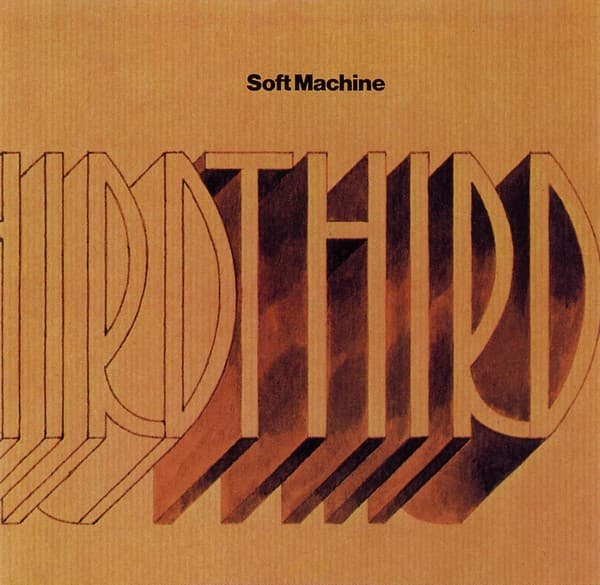
Soft Machine
Third
1970
Double LP, four side-long pieces on CBS; "Moon In June" is Wyatt's last long vocal before the band went wordless.
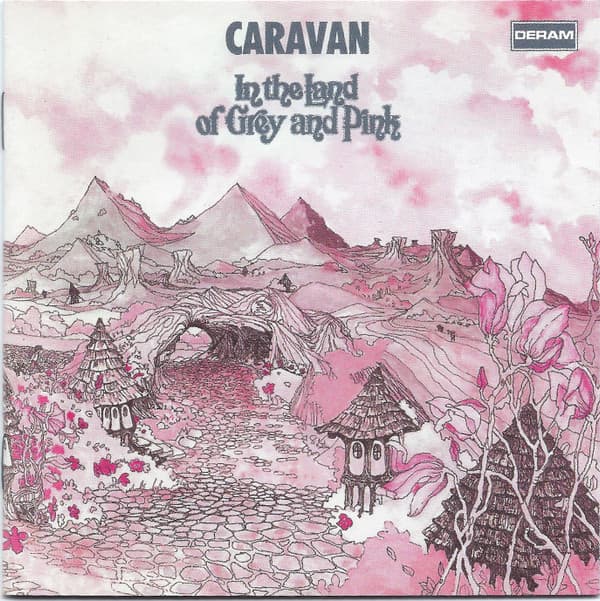
Caravan
In The Land Of Grey And Pink
1971
Deram; side two is the 22-minute "Nine Feet Underground", Dave Sinclair's organ doing the heavy lifting.
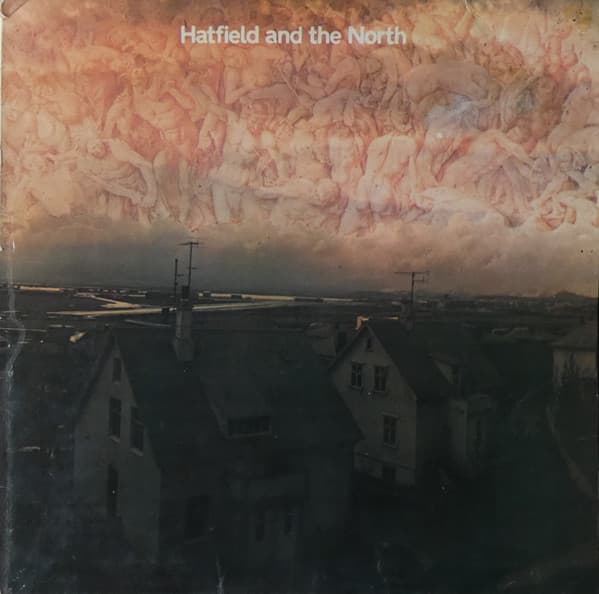
Hatfield And The North
Hatfield And The North
1974
Recorded by Tom Newman at The Manor; Northettes Amanda Parsons, Barbara Gaskin and Ann Rosenthal sing wordless lines where a chorus would go.
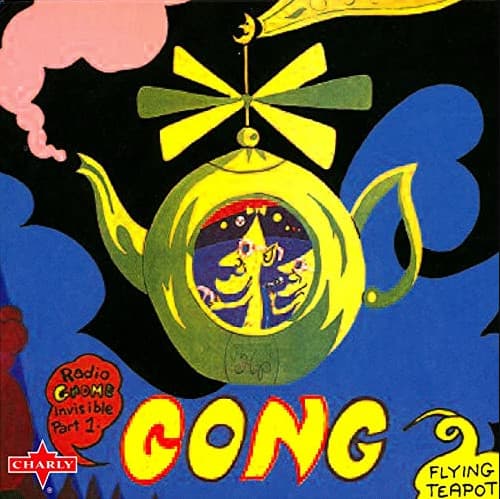
Gong
Flying Teapot
1973
Part one of the Radio Gnome trilogy, cut in Oxfordshire by a band living communally in France — Canterbury by bloodline only.

Robert Wyatt
Rock Bottom
1974
Written before and recorded after the fall that paralysed him; keyboards, Mongezi Feza's trumpet and no rock drumming at all.
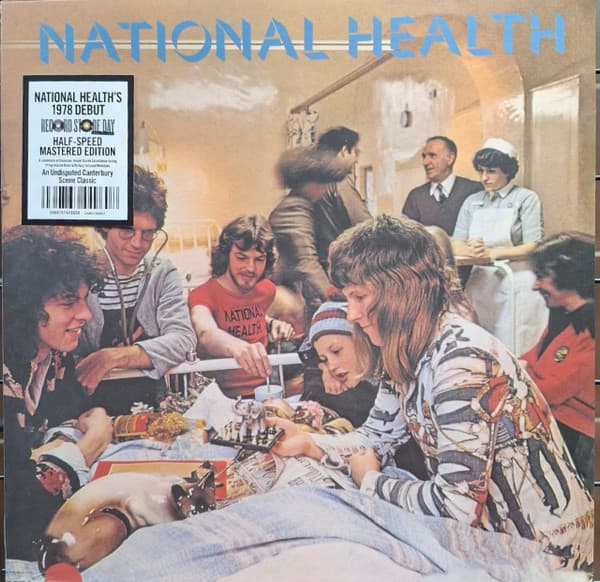
National Health
National Health
1978
Stewart and Miller after Hatfield, with Alan Gowen — the scene's last move, long-form and written down rather than jammed.
Oddballs
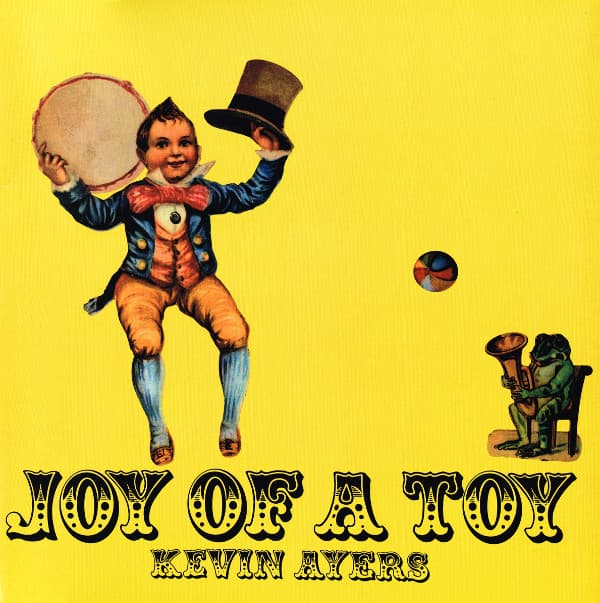
Kevin Ayers
Joy Of A Toy
1969
The first Soft Machine casualty makes a Harvest pop record of baritone croons and music-hall tunes — the scene's humour without the time signatures.
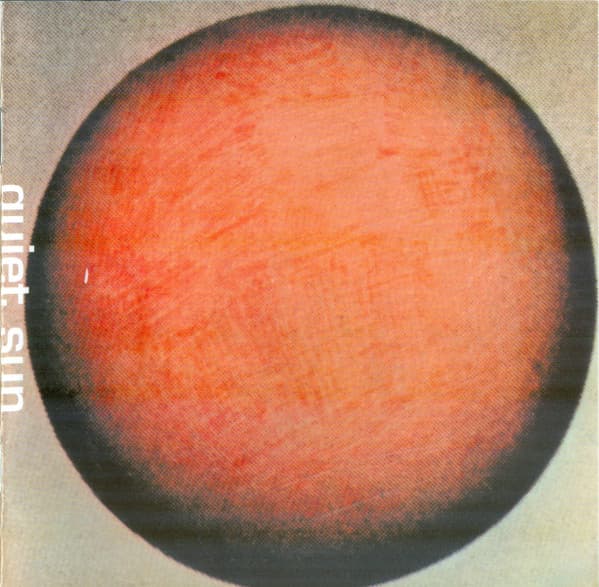
Quiet Sun
Mainstream
1975
Phil Manzanera revives his pre-Roxy band in downtime from Eno's sessions; Canterbury maths played by a glam guitarist.
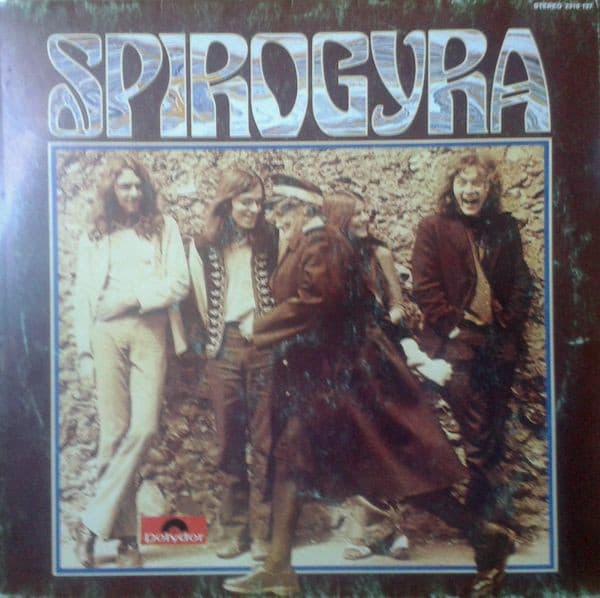
Spirogyra
St. Radigunds
1971
Actual Canterbury students playing acid folk, with Barbara Gaskin singing before she joined the Northettes.
Keep digging
- Which Canterbury originals are hardest to find?
- What did Dave Stewart do after National Health?
- Who carried this sound into the 1990s?