Chapel Hill Indie Rock
Detuned guitars, college-town economics and a label run out of a bedroom — the South's answer to Seattle.
What you're really asking
You're asking about a university town of 40,000 that briefly got sold as the next Seattle. It wasn't a sound — it was cheap rent, one good venue, one cheap studio and a label that didn't need the bands to get big.
The records split two ways: fast, hoarse and melodic, or detuned and knotted up until the time signature stops behaving.
Where it sits
Chapel Hill and neighbouring Carrboro, roughly 1989 to 1996. Mac McCaughan and Laura Ballance started Merge in 1989 to put out 7"s by friends; Jay Faires ran Mammoth out of Carrboro on a bigger-budget model.
Cat's Cradle was the room. Jerry Kee's Duck-Kee Studios was where the tape rolled — Seam cut Headsparks there in August 1991.
After Nirvana broke, major labels and magazines came looking for the next scene and settled on Chapel Hill; most of the bands declined to cooperate. What survived the hype was the infrastructure.
Merge is still operating, and in 2020 it reissued Polvo's first two albums on vinyl with updated artwork and archive ephemera.
The scene
Who: McCaughan and Ballance at the centre, Polvo's Ash Bowie and Dave Brylawski — high-school classmates of McCaughan — Eric Bachmann's Archers of Loaf, and Sooyoung Park arriving from Bitch Magnet.
Cat's Cradle, Schoolkids Records, Duck-Kee. What: guitars tuned wrong on purpose, vocals pushed into the red or buried, rhythm sections that refuse the obvious count.
No solos, no gloss. How it works: a record got made because someone had $300 of studio time and a friend with a 7" label.
Scene membership was a matter of who played the Cradle on a Tuesday.
The leading records
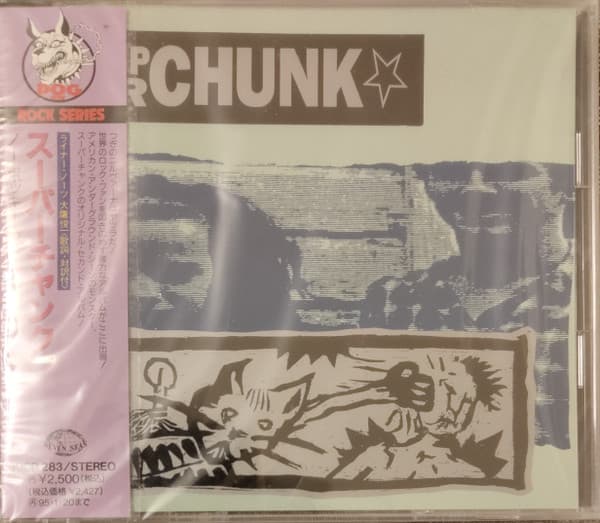
Superchunk
No Pocky For Kitty
1991
Steve Albini tracked it fast and left the hoarse edges in — the template for the whole town's tempo.
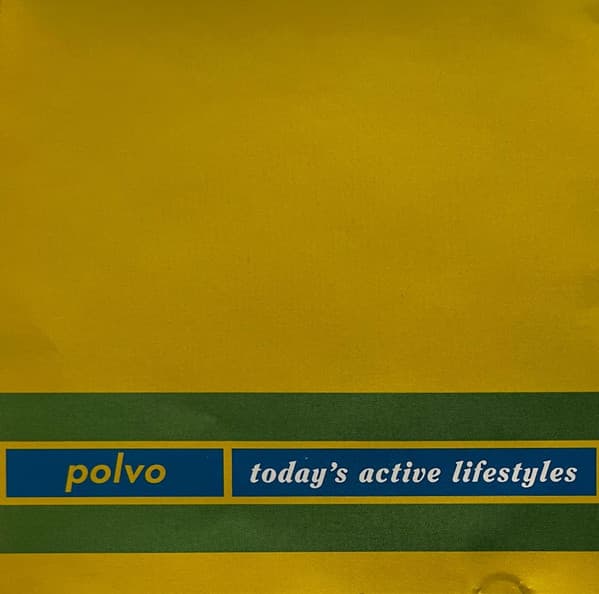
Polvo
Today's Active Lifestyles
1993
Bob Weston produced, Merge released it April 1993, cut in four December days — the detuned record every math-rock argument starts with.
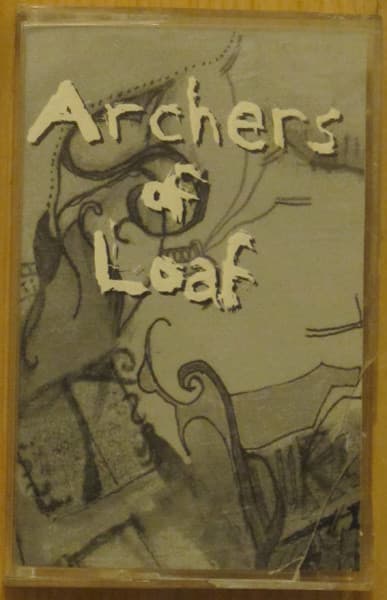
Archers Of Loaf
Icky Mettle
1993
Bachmann's shredded voice over two guitars fighting; the Alias debut that carried "Web In Front".
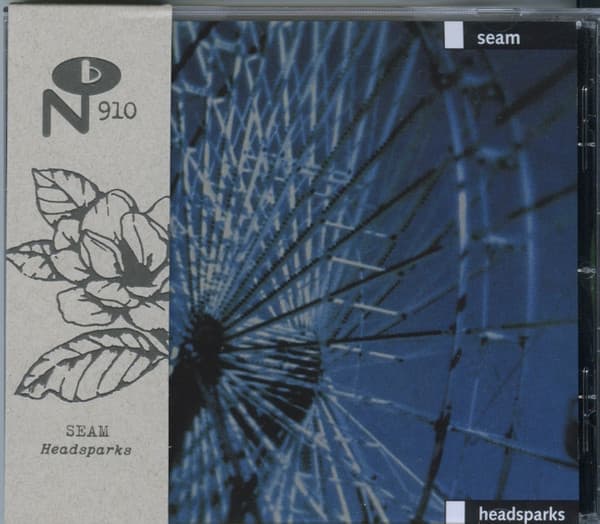
Seam
Headsparks
1992
Homestead, recorded by Jerry Kee, with McCaughan on drums — the slow, quiet end of the same town. The band left for Chicago the year it came out.

Portastatic
I Hope Your Heart Is Not Brittle
1994
McCaughan alone on four-track, proving Merge's house sound worked at bedroom scale.
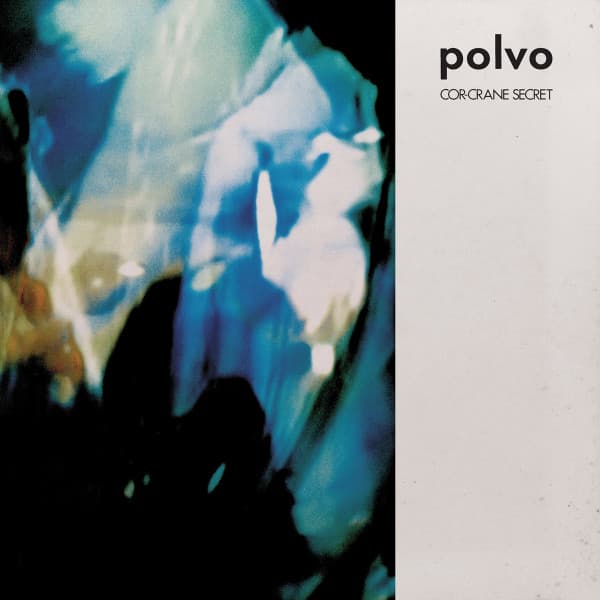
Polvo
Cor-Crane Secret
1992
The first album, rougher than what followed; preceded by the 1991 double-7" Can I Ride on their own Kitchen Puff.
Oddballs
Flat Duo Jets
Flat Duo Jets
1990
Dexter Romweber, guitar and drums only, playing rockabilly in a scene of detuned Marshalls. Jack White has pointed back to him repeatedly.
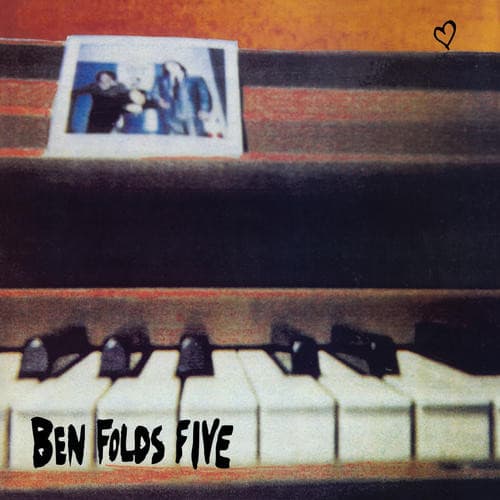
Ben Folds Five
Ben Folds Five
1995
A piano trio with no guitar at all, out of the same bars, headed for radio while the others stayed on 7"s.
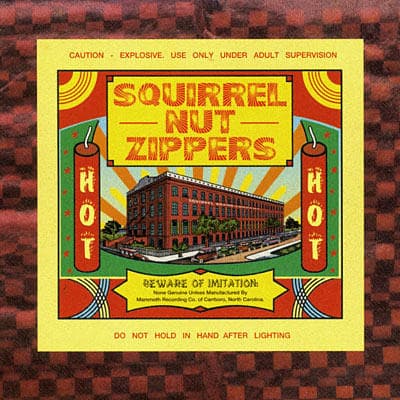
Squirrel Nut Zippers
Hot
1996
Hot jazz and calypso on Carrboro's Mammoth, sold a million copies — the town's biggest record was the one that sounded like 1932.
Keep digging
- What else did Merge press before 1995?
- Which Duck-Kee sessions are worth chasing?
- How does Louisville's scene compare to this?