Chicago Post-Rock
Rock instruments played like studio tools — dub space, jazz chords, tape edits, vibraphone where the vocal should be.
What you're really asking
You're asking about a players' network, not a genre. A couple of dozen Chicago musicians in the mid-90s swapped rhythm sections between bands, recorded each other in the same two studios, and treated the mixing desk as the lead instrument.
The guitars stayed; the singing, the verse-chorus and the climax mostly went.
Where it sits
Wicker Park and Bucktown, roughly 1990 to 2000. Doug McCombs of Eleventh Dream Day and John Herndon start Tortoise around 1990 as a rhythm section looking for work.
David Grubbs comes out of Squirrel Bait and Bastro, forms Gastr del Sol, and pulls in Jim O'Rourke. Brad Wood's Idful Music in Wicker Park records the early sessions; John McEntire then builds Soma Electronic Music Studios and becomes the scene's house engineer.
Bettina Richards moves Thrill Jockey from New York to Chicago in 1995; Drag City, running since 1989, takes the Grubbs/O'Rourke wing. Lounge Ax on Lincoln Avenue is the room until it closes in January 2000.
By 1997 the method is an export: British and European bands start booking Chicago studio time to get the sound.
The scene
Who: McEntire, McCombs, Herndon, Dan Bitney, Jeff Parker, Bundy K. Brown, Grubbs, O'Rourke, Sam Prekop, Archer Prewitt, cornetist Rob Mazurek.
Rooms: Idful, Soma, Lounge Ax, the Empty Bottle, and the Rainbo Club, where the Isotope musicians held a weekly engagement in the mid-90s, improvising in an electro-acoustic vein closer to Miles Davis's electric bands, with a dub sensibility and collective movement instead of solo showcases.
What: two drummers, melodica and vibes, upright bass, dub drop-outs, Krautrock pulse, no frontman. How a record gets in: it was cut in those rooms, by those players, and the edit matters more than the take.
The leading records
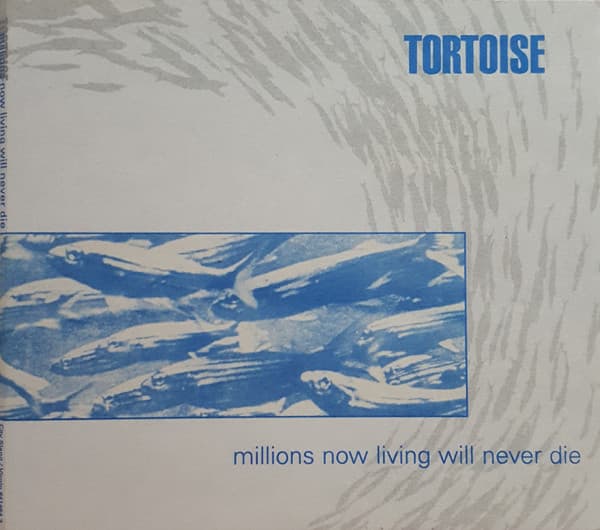
Tortoise
Millions Now Living Will Never Die
1996
Side one is "Djed" — twenty-one minutes spliced from separate sessions, the tape dropout at the halfway mark left in on purpose.
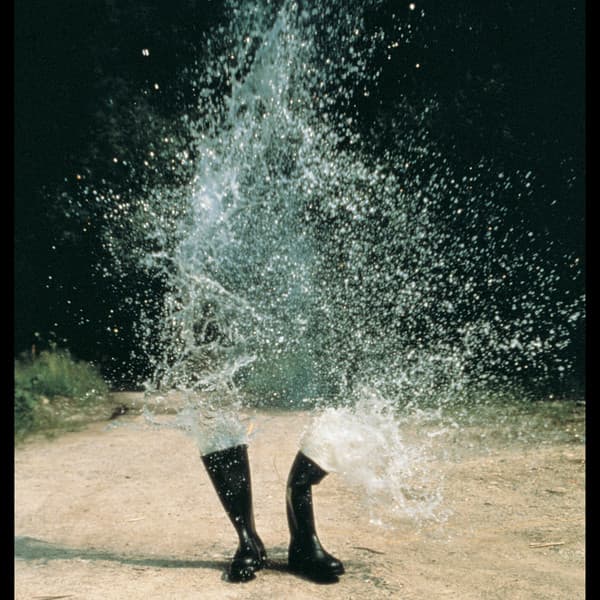
Gastr Del Sol
Upgrade & Afterlife
1996
Grubbs and O'Rourke on Drag City: prepared piano, musique concrète and long silences, closing with a John Fahey cover to show where the roots were buried.
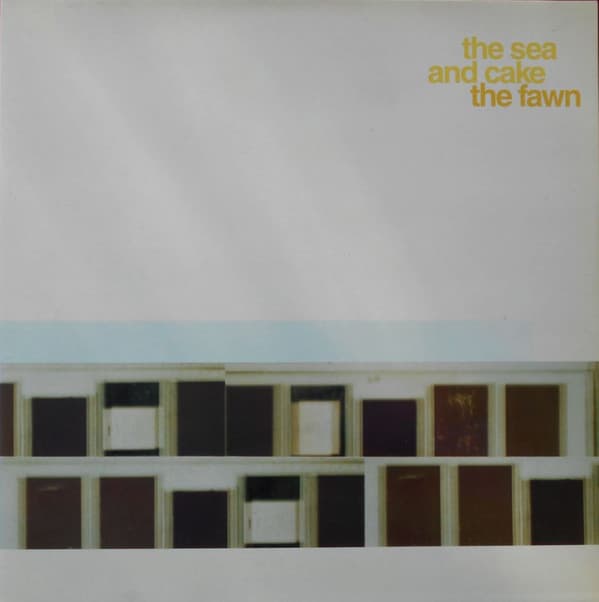
The Sea And Cake
The Fawn
1997
Cut at Soma in October 1996 with McEntire producing; the band swapped live playing for drum machine and synthesizer sequencing and Prekop sang over it like bossa nova.
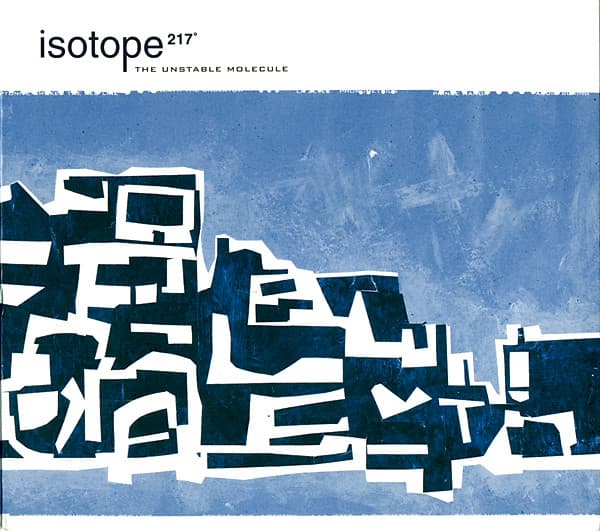
Isotope 217
The Unstable Molecule
1997
Three Tortoise members plus Rob Mazurek, Matt Lux and trombonist Sara P. Smith; "La Jetée" here resurfaces on Tortoise's TNT as "Jetty". Reissued on vinyl for the first time in 2017.
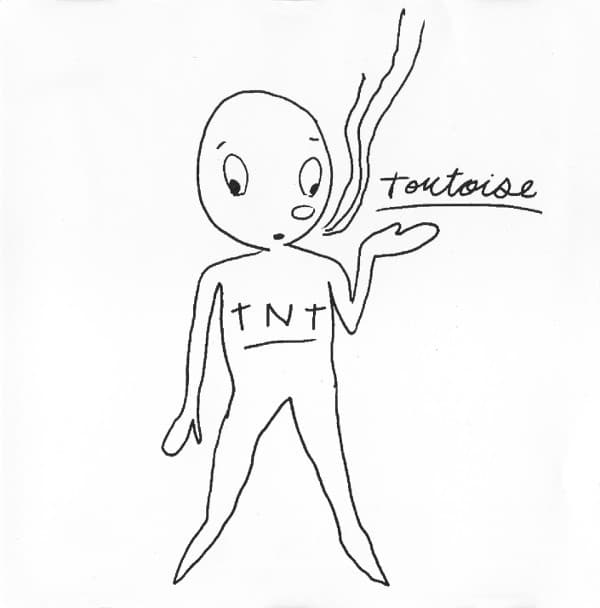
Tortoise
TNT
1998
Built inside the computer rather than played through — parts recorded separately, then assembled; the record that made hard-disk editing the Chicago default.
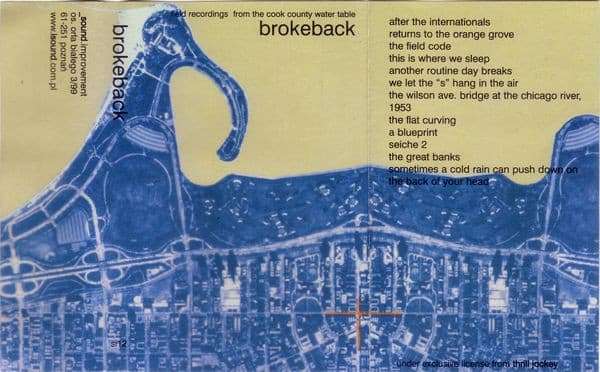
Brokeback
Field Recordings From The Cook County Water Table
1999
Doug McCombs alone with a six-string bass, mapping the industrial edge of the city at walking pace.
Oddballs
Stereolab
Dots And Loops
1997
A London group handed its rhythm arrangements to McEntire and Mouse on Mars; proof the Chicago approach travelled as a technique, not a postcode.
Jim O'Rourke
Bad Timing
1997
Four long instrumentals on Drag City, fingerpicked Fahey guitar with brass and drums creeping in late — the scene's folk wing, same editing brain.
Chicago Underground Duo
12 Degrees Of Freedom
1998
Mazurek's cornet and Chad Taylor's drums on Thrill Jockey: the AACM lineage that the rock bands were quietly borrowing from all along.
Keep digging
- Which records did Soma studio shape?
- How does Louisville's Slint connect to this?
- What did Thrill Jockey press in small runs?