Croydon / FWD>> Dubstep
A record-shop conversation becomes bass you can feel in your chest.
What you're really asking
Listen beneath the obvious beat. Early dubstep leaves room for sub-bass, echoes and small rhythmic changes to become the main event.
It grew through a close exchange between record shops, producers, DJs and clubs rather than one sudden invention.
Where it sits
Around the turn of the millennium, darker and more spacious garage productions found a home in the emerging FWD>> network. Croydon’s Big Apple shop brought together people including Artwork, Hatcha, Skream, Benga and Mala.
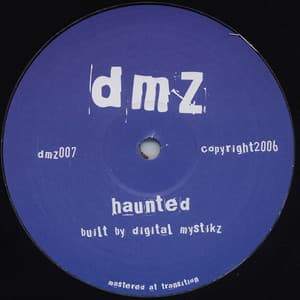
Horsepower Productions and Tempa were important to the developing language. FWD>> in London and later DMZ offered different testing grounds.
As the music spread, it opened into several international directions; this scene stays centred on the early London and Croydon ecosystem.
The scene
Who: Hatcha, Artwork, Horsepower Productions, Skream, Benga, Mala, Coki, Loefah and Youngsta. What: bass weight, restrained arrangements, garage-derived rhythm and dub processes.
Places and outlets: Big Apple, FWD>>, Tempa and DMZ. Later Deep Medi and international underground releases are continuation routes, not automatically founding-era members.
The leading records
Horsepower Productions
In Fine Style
2002
The garage-to-dubstep transition is still audible.

Skream
Skream!
2006
A broad album introduction to an early central producer.
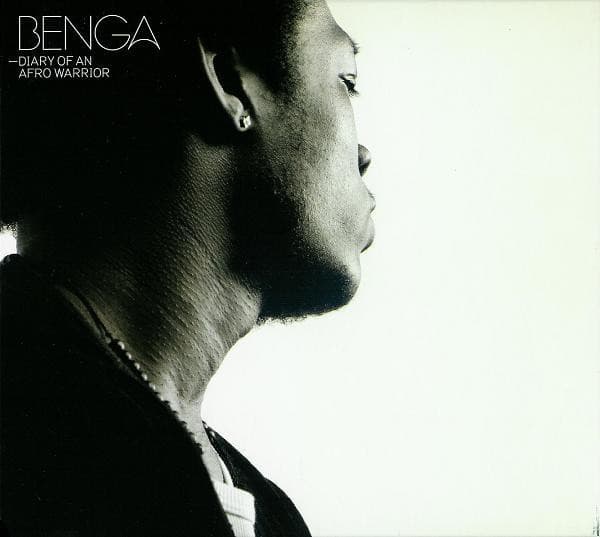
Benga
Diary Of An Afro Warrior
2008
Another voice in the scene’s growing musical range.
Mala
Changes / Jah Power Dub
2007
Sound-system weight and patient emotional development.
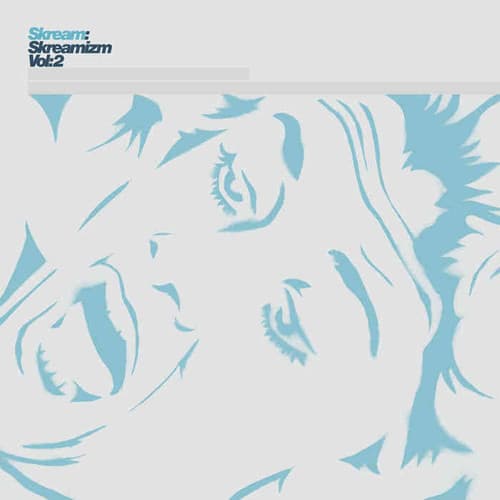
Skream
Skreamizm Vol. 2
2006
A club-focused counterpart to the album.
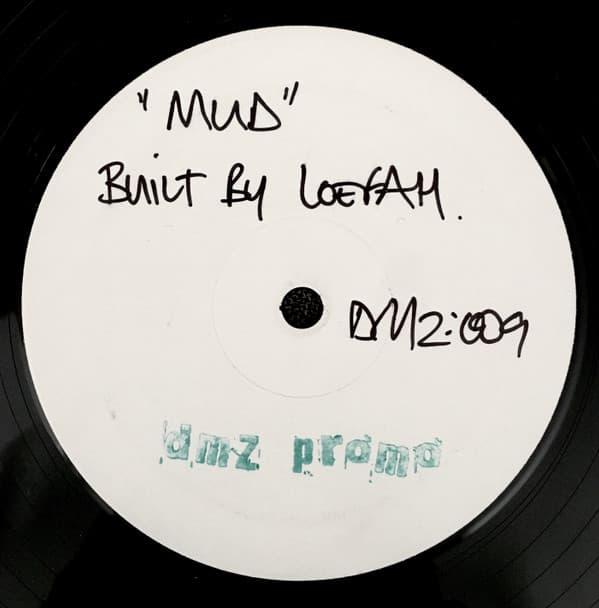
Loefah
Mud / Rufage
2006
Space and silence used as weight.

Coki
Spongebob
2007
The brasher, wobble-led route out of the same room.
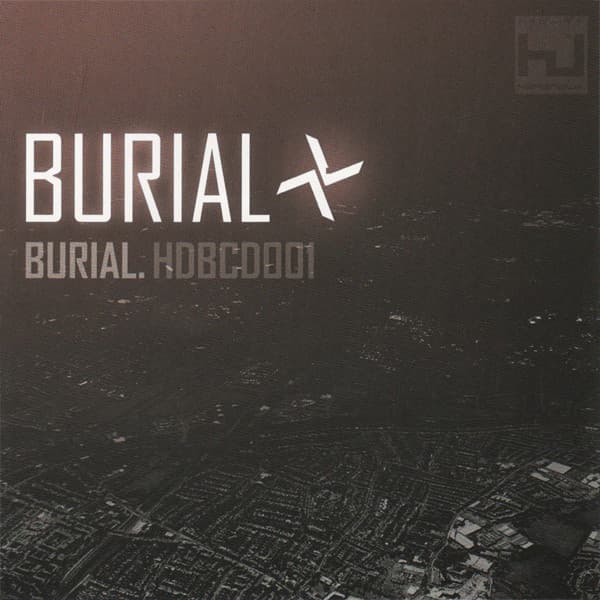
Burial
Burial
2006
The scene's crackle and rain turned inward.
Kode9 & The Spaceape
Memories Of The Future
2006
Hyperdub's poet-and-producer statement.
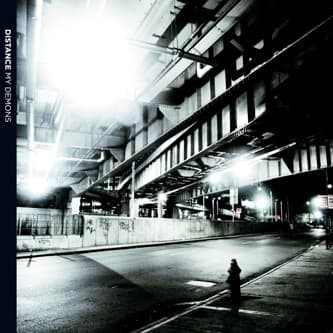
Distance
My Demons
2007
The metal-edged, guitar-dark end of the sound.
Pinch
Underwater Dancehall
2007
Bristol answering Croydon with its own dub lineage.
Oddballs
Keep digging
- Start before the half-time template
- Big Apple’s producers and DJs
- The DMZ side of the story
- Follow the later Deep Medi route