Detroit Garage Revival
Two-guitars-no-bass primitivism, soul covers played wrong, and 7-inches pressed a thousand at a time.
What you're really asking
You're asking about a city that rebuilt rock from its own back catalogue — Motown, Hooker, the Stooges — using the cheapest possible gear. Not a sound so much as a refusal: no bass player, no overdubs, no studio polish, no songs you wrote yourself if a better one already exists.
The chain runs from three people who couldn't play in 1986 to a duo on magazine covers in 2002.
Where it sits
Detroit, 1986. Mick Collins, Dan Kroha and Peggy O'Neill form the Gories; at the time only Collins had musical experience and they taught themselves to play.
Two guitars and a drummer, no bass — modelled partly on the Keggs and Nick & the Jaguars, earlier bassless Detroit bands. They debuted on the 1987 Wanghead compilation It Came from the Garage II; label owner Len Puch recorded and released Houserockin' in 1989.
The Gories split in 1992. The second wave came through the Gold Dollar on Cass Avenue in the late '90s.
Dave Buick founded Italy Records in 1997, opening with a Rocket 455 7" that October, then issuing the first two White Stripes singles and debuts by the Soledad Brothers and the Greenhornes.
By 2002 the scene had a global name and Detroit had tourists.
The scene
Who: Mick Collins (Gories, Dirtbombs), Dan Kroha, Rachel Nagy and Mary Ramirez of the Detroit Cobras, Jack and Meg White, the Hentchmen, Bantam Rooster, Rocket 455. Rooms: the Gold Dollar, the Lager House, the Magic Stick.
Labels: Italy, Flying Bomb, In the Red, Crypt, Sympathy for the Record Industry. What: short songs, blown amps, vocals in the room, drums played flat-footed.
How a record gets in: it has to sound like it was cut live and cost nothing, and the covers have to come from deep — Fortune Records sides, Motown B-sides, '60s soul 45s nobody plays.
The leading records
The Gories
Houserockin'
1989
Cut live in a tin-walled garage for the natural reverb, vocals and all — the template everyone after copied.
The Detroit Cobras
Mink, Rat Or Rabbit
1998
An all-covers album of obscure soul and R&B sides, sung like a bar fight rather than a tribute.
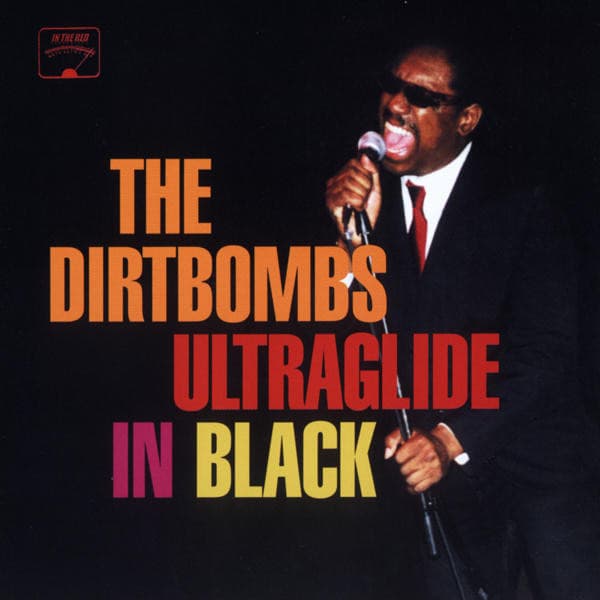
The Dirtbombs
Ultraglide In Black
2001
Mick Collins points two bassists and two drummers at Marvin Gaye, Curtis Mayfield and Sly — Detroit covering Detroit.
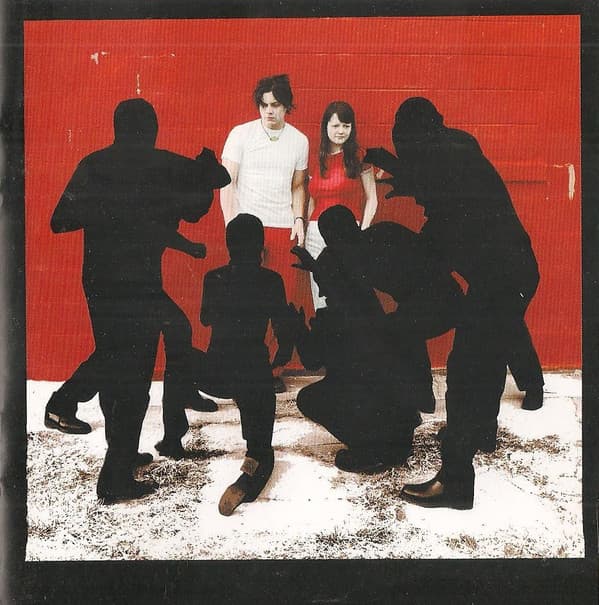
The White Stripes
White Blood Cells
2001
Recorded fast at Easley-McCain in Memphis with no blues covers and no guitar solos by design; the record that pulled the whole city into print.
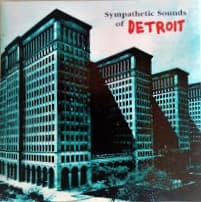
Various
Sympathetic Sounds Of Detroit
2001
Jack White recorded the bands in their own houses — the scene compiled by one of its own, in real time.
The Go
Whatcha Doin'
1999
Sub Pop's bet on Detroit, with Jack White on second guitar before the Stripes broke.