Detroit Proto-Punk
Pull this thread and you get Michigan guitar noise from 1969 ballrooms to 1999 basements, unbroken.
What you're really asking
You're asking about a city, not a genre. Detroit never had a punk year — it had a continuous habit of loud, repetitive, blue-collar guitar music that the rest of the world caught up with twice: once in 1977, once in 2001.
The MC5 and the Stooges set the template, Death and Sonic's Rendezvous carried it through the dead years, and the Gories passed it to a kid named Jack Gillis in a Mexicantown basement.
Where it sits
Ann Arbor and Detroit, 1967–1972. Russ Gibb's Grande Ballroom gave the MC5 a house gig; John Sinclair's White Panther Party gave them politics; Elektra's Danny Fields signed both them and the Stooges in 1968 after one trip west.
Kick Out the Jams was cut live at the Grande in October 1968; Hudson's department store refused to stock it over the opening line, and Elektra dropped the band. Creem started in Detroit in 1969 and exported the attitude in print.
The scene collapsed with the economy — the Stooges broke up in 1974, Sinclair went to prison, the Grande closed. The rebuild came twice: Sonic's Rendezvous Band and Destroy All Monsters in the late seventies, then the Gold Dollar / Italy Records / Ghetto Recorders circuit in the mid-nineties, which put the White Stripes on a national stage in 2001.
The scene
Who: Iggy Pop, the Asheton brothers, Fred "Sonic" Smith, Wayne Kramer, Scott Morgan, the Hackney brothers, Niagara, later Mick Collins, Jim Diamond, Dave Buick, Jack and Meg White. Places: the Grande Ballroom, A-Square Studios in Ann Arbor, United Sound, Ghetto Recorders, the Gold Dollar.
What: one riff held past the point of comfort, drums playing straight time with no fills to hide behind, guitars tuned loud and recorded hot, vocals shouted rather than sung. How a record gets in: it was cut in Michigan, it refuses to be clever, and the rhythm section never lets the riff resolve.
The leading records
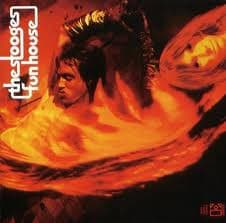
The Stooges
Fun House
1970
Don Gallucci, who played the organ on "Louie Louie," stripped the studio bare and taped them live in the room — then Steve Mackay's sax turns side two into a riot.
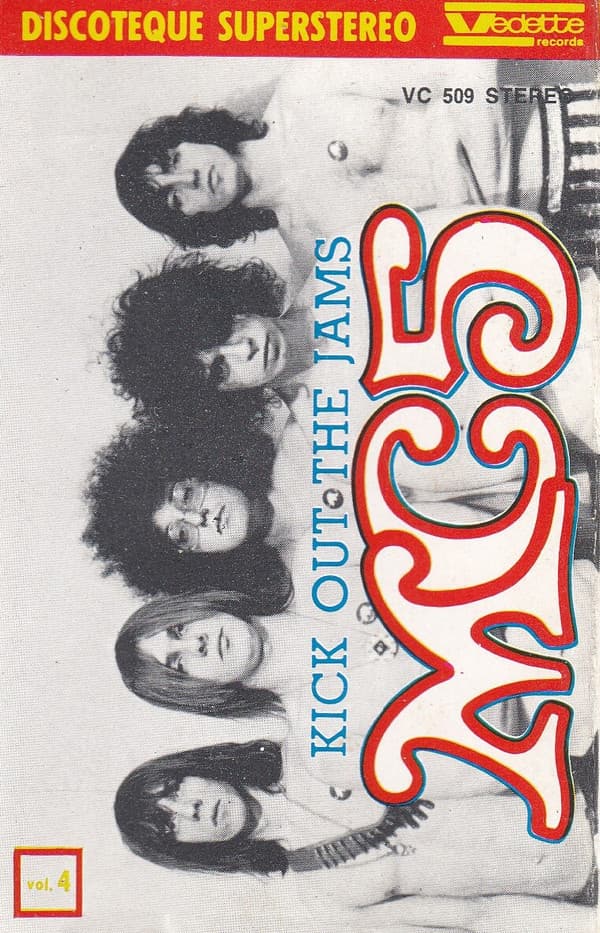
MC5
Kick Out the Jams
1969
A debut album that is a live album, two nights at the Grande, pressed with a word that got it pulled from Detroit's biggest store.
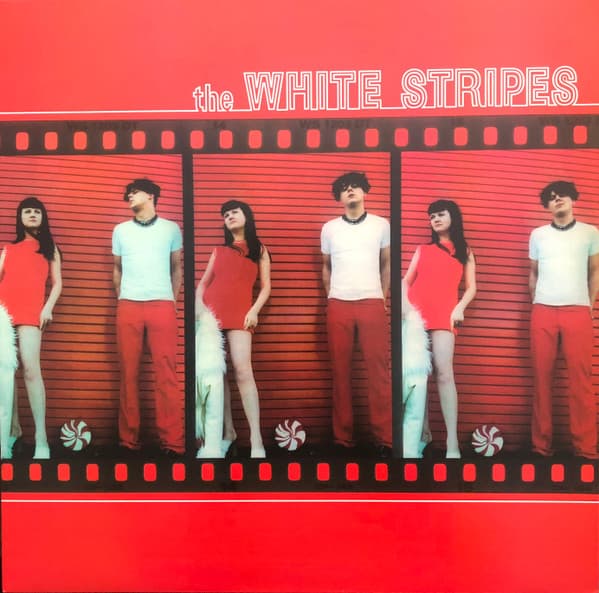
The White Stripes
The White Stripes
1999
Cut with Jim Diamond at Ghetto Recorders, dedicated to Son House — the blueprint for the drums-and-guitar restriction they never abandoned.
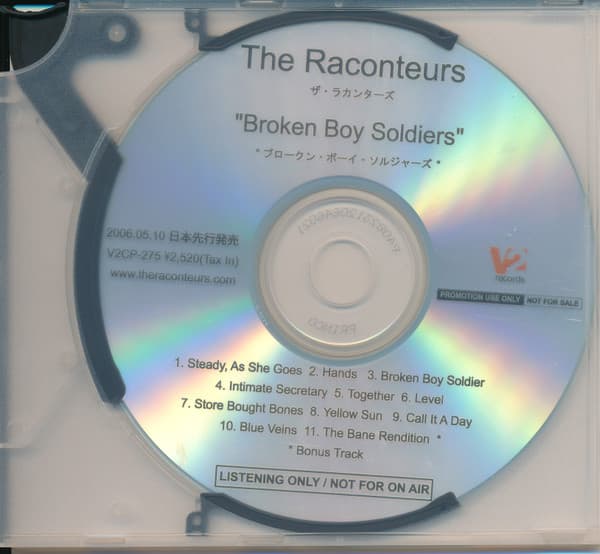
The Raconteurs
Broken Boy Soldiers
2006
Written and tracked in Brendan Benson's Detroit attic, with the Greenhornes' rhythm section — power-pop craft bolted onto the city's guitar tone.
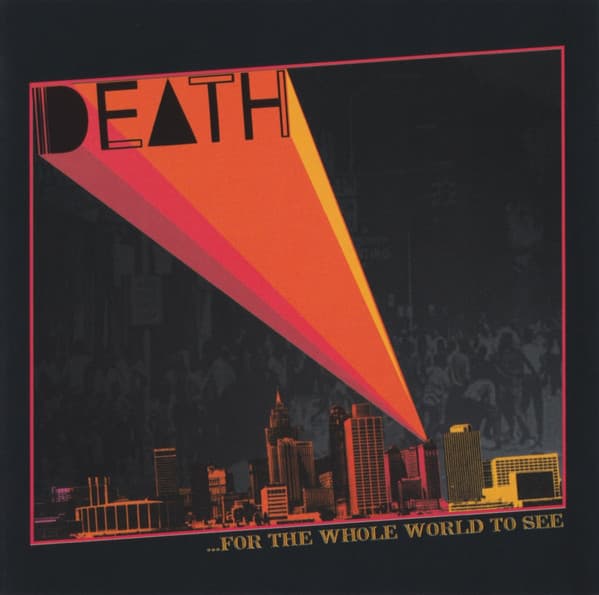
Death
...For the Whole World to See
Seven songs cut at United Sound in 1975; Columbia wanted the band name changed, the brothers refused, and walked. Only the 1976 Tryangle 45 escaped at the time.
Sonic's Rendezvous Band
City Slang
1978
A 7" with the same song on both sides, different mixes — Fred Smith from the MC5, Scott Asheton from the Stooges, Scott Morgan from the Rationals, one record to show for it.