Dunedin Sound
Jangling guitars, flat vocals, tape hiss as texture — pop songs made at the bottom of the world.
What you're really asking
You're asking about a city, not a style. A cold university town of 100,000 at the south end of New Zealand, where a handful of flats and one label produced a decade of guitar pop recorded for almost nothing.
The "sound" is mostly a consequence: four-track machines, cheap rooms, chiming Vox-and-Rickenbacker guitars, singing that doesn't reach for the back wall.
Where it sits
Dunedin had punk by 1978 — The Enemy, then Toy Love. When Toy Love burned out in Auckland in 1980, the lesson taken home was: don't leave.
Roger Shepherd started Flying Nun in Christchurch in 1981 out of a record shop job. The Clean's "Tally Ho!"
charted nationally that year on a budget of almost nothing; the Boodle Boodle Boodle EP followed and sat in the charts for months. The 1982 Dunedin Double EP — The Chills, Sneaky Feelings, The Stones, The Verlaines — gave the city a name it never asked for.
The Verlaines formed in 1981 at the beginning of the movement and became a key part of Flying Nun's early history. By the late 80s the second wave went overseas: Rough Trade and Homestead licensed the catalogue, Slash and Arista signed the bands, and American college radio did the rest.
Pavement, Yo La Tengo and Guided By Voices all took notes.
The scene
Who: Roger Shepherd's label; Chris Knox and Doug Hood with a TEAC four-track, recording bands in flats and halls; David Kilgour, Martin Phillipps, Graeme Downes, Shayne Carter, Look Blue Go Purple.
Venues: the Empire Tavern, the Captain Cook. What: two guitars drilling at the same chord shape, organ or Farfisa if there's one around, drums close and dry, vocals sung flat and conversational, melody carried by the guitars.
How a record gets in: it sounds like the room it was made in. Hiss stays.
Mistakes stay. Downes submitted the first Verlaines album as a composition project for his honours music class and got an A — classical training, same four-track economy.
The leading records
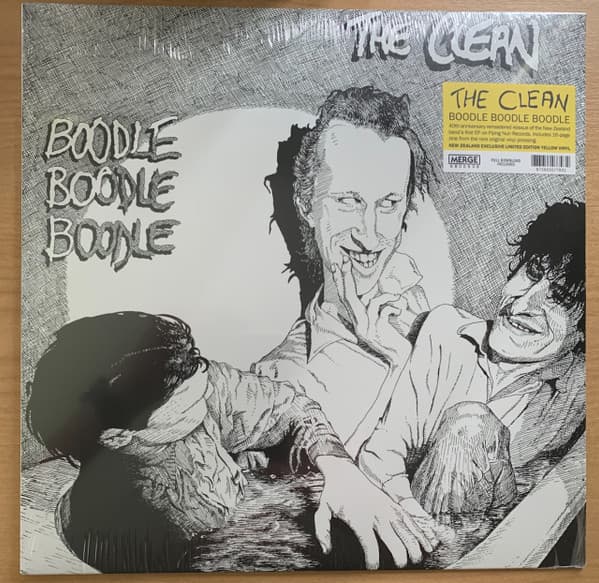
The Clean
Boodle Boodle Boodle
1981
Six songs cut for pocket money that stayed on the national chart for months — the template everyone else worked from.

The Chills
Submarine Bells
1990
Martin Phillipps taken to Jacobs Studios in Surrey and given a real budget; the jangle survives the big room intact.
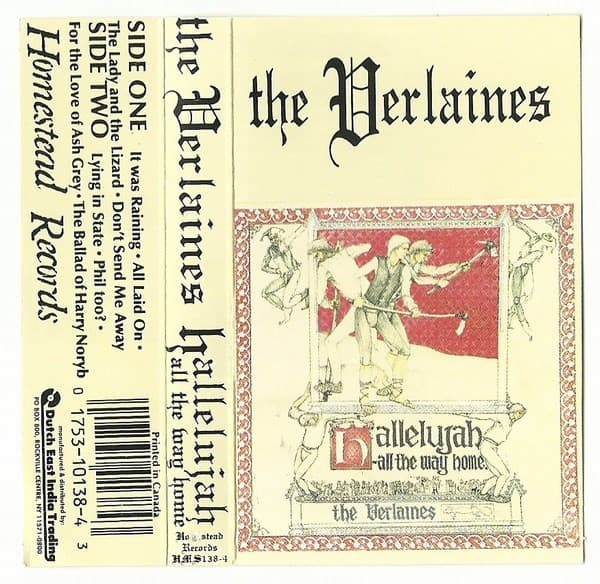
The Verlaines
Hallelujah All The Way Home
1985
Cut at Mascot Studios over May–June 1985 with Phil Yule engineering, and scored for cello, clarinet and French horn alongside the trio.
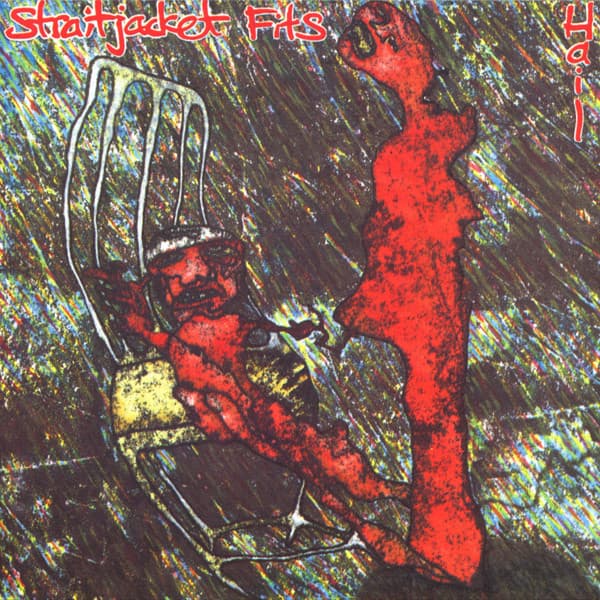
Straitjacket Fits
Hail
1988
Recorded at The Lab in Auckland with Terry Moore producing and engineering — Carter's snarl and Brough's harmonies pulling in opposite directions across one LP.
Various
Dunedin Double EP
1982
Four bands, one double 7" — the record that turned a group of flatmates into a named scene.
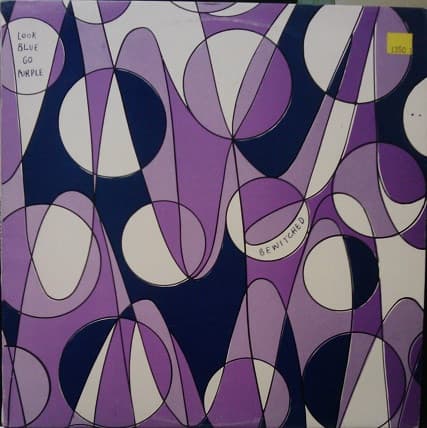
Look Blue Go Purple
Bewitched
1985
Five women, flute and organ in the mix, the Dunedin jangle rebuilt around vocal rounds rather than a frontman.
Oddballs

The Dead C
DR503
1987
Bruce Russell took the same cheap tape economy and aimed it at collapse instead of pop. Russell is also the man who suggested Andrew Brough join Straitjacket Fits.
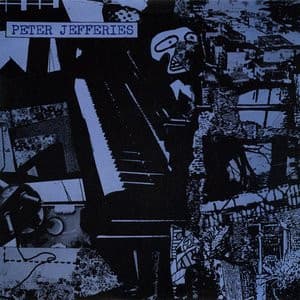
Peter Jefferies
The Last Great Challenge In A Dull World
1990
Piano, hammered drums, no guitars worth mentioning — proof the scene's method mattered more than its instrumentation.
The 3Ds
Hellzapoppin
1992
Third-generation Dunedin with the treble turned to damage; David Saunders' sleeve art became the city's other signature.
Keep digging
- Which Flying Nun originals still turn up cheap?
- What did Chris Knox actually record on?
- Where does Christchurch fit in this?