Düsseldorf Electronic
A rich Rhine city, an art academy and a drum machine: motorik repetition that turned into German pop.
What you're really asking
Not a genre — a city with a studio culture. Düsseldorf was wealthy, industrial and full of art students, and the music that came out of it treats rhythm as architecture: one beat, held, with the drama stripped off.
Two generations, the 70s machine-pastoral and the 80s punk-with-synths, sharing the same bars and often the same engineer.
Where it sits
Kraftwerk's Kling Klang studio on Mintropstraße made the city self-sufficient: own room, own gear, no label clock. , working with Conny Plank; Dinger carried on into La Düsseldorf in 1976.
The second wave came from a bar. The Ratinger Hof in the Altstadt was rebuilt at the end of 1976 and became the central meeting point of German underground culture, widely called the birthplace of German punk, roughly 300 metres from the Kunstakademie.
DAF, KFC, Mania D and Östro 430 formed in that orbit. Kurt Dahlke founded Warning Records in 1979 — renamed Ata Tak in 1980 — starting with a self-pressed Der Plan 7" of 1,500 copies, with DAF's debut as the label's first album.
Neue Deutsche Welle followed, then the majors.
The scene
Who: Ralf Hütter and Florian Schneider at Kling Klang; Dinger and Rother; Gabi Delgado and Robert Görl; the Ata Tak three — Dahlke, Frank Fenstermacher, Moritz Reichelt; Conny Plank's studio outside Cologne as the shared ear.
What: a pulse that never resolves, sequencers and tape over drama, German lyrics said flat rather than sung. How a record gets in: it was made in the city or by someone from the Hof, it keeps one rhythm longer than feels reasonable, and it treats the studio as the instrument.
DAF started in the Hof's basement — Delgado on stylophone, Görl on drums.
The leading records
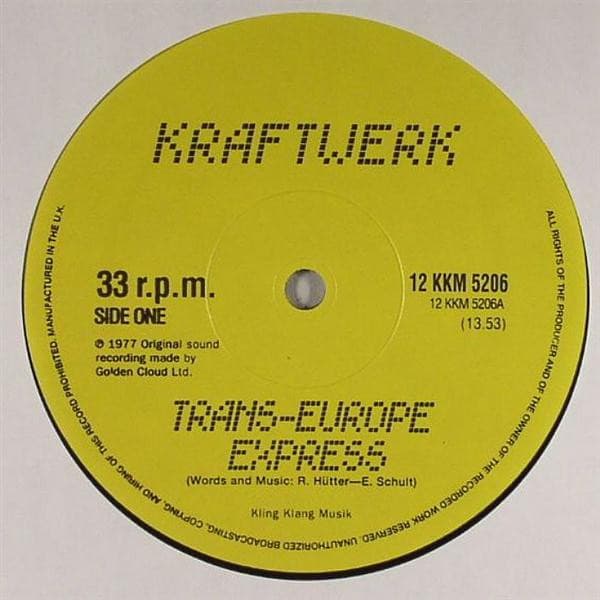
Kraftwerk
Trans-Europe Express
Kling Klang · 1977
Rail timetable as rhythm — and the drum pattern Afrika Bambaataa lifted wholesale five years later.
Read more →
Neu!
Neu!
1972
Dinger and Rother's four-night debut with Conny Plank; "Hallogallo" is the motorik beat's birth certificate.
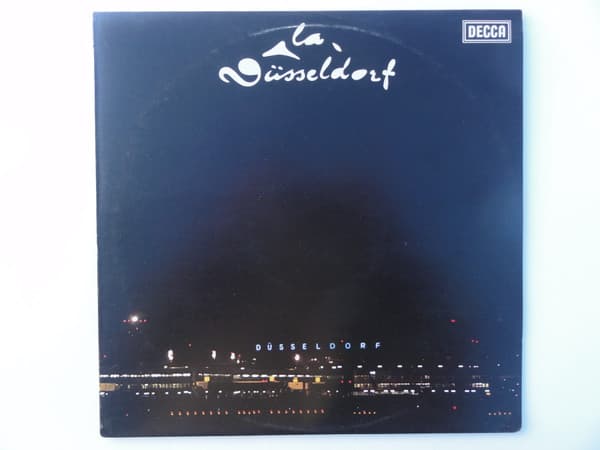
La Düsseldorf
La Düsseldorf
1976
Dinger names the city on the sleeve and plays it as glare, chant and engine noise.
D.A.F.
Alles Ist Gut
1981
Sequencer, live drums, one voice. Plank produced; the four-piece art-punk band had burned down to a duo.
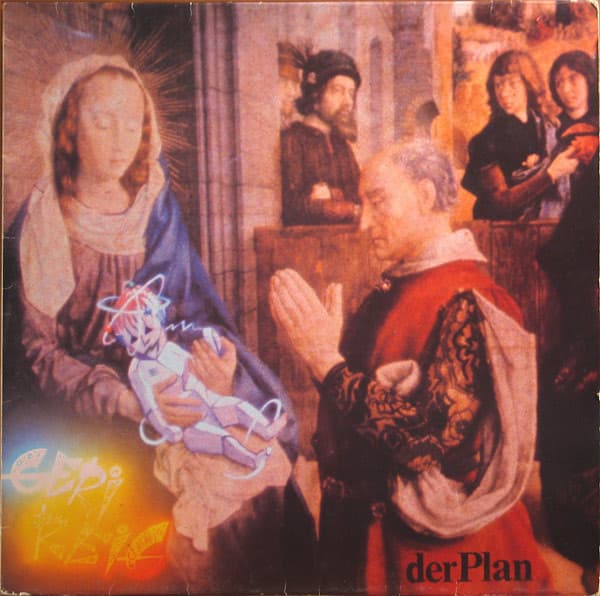
Der Plan
Geri Reig
Warning Records · 1980
Recorded at Art Attack Studios and issued on Warning/Ata Tak — the city's electronics pushed into cartoon-pop.
Read more →
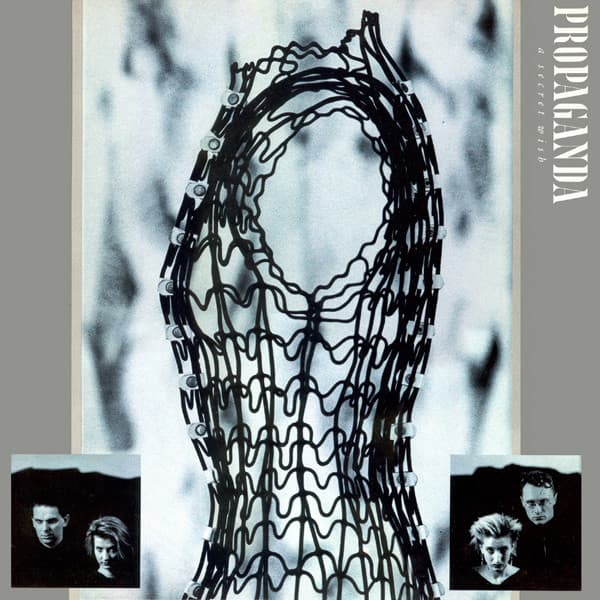
Propaganda
A Secret Wish
1985
Ralf Dörper left Die Krupps, took Düsseldorf cold to ZTT in London, and got it mixed like a blockbuster.
Oddballs
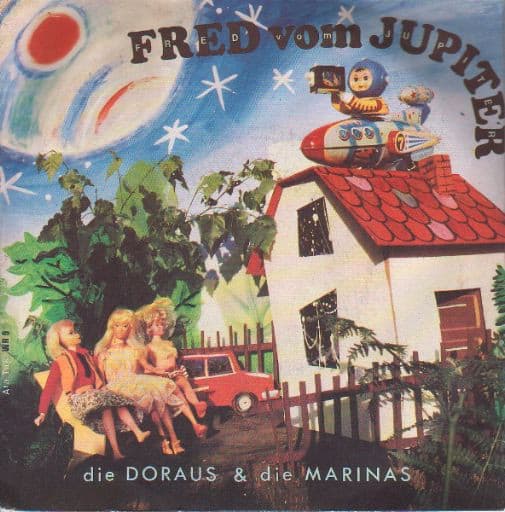
Die Doraus & Die Marinas
Fred Vom Jupiter
1981
Ata Tak's WR09 — a schoolboy's novelty single that became the NDW chart moment the scene never planned for.
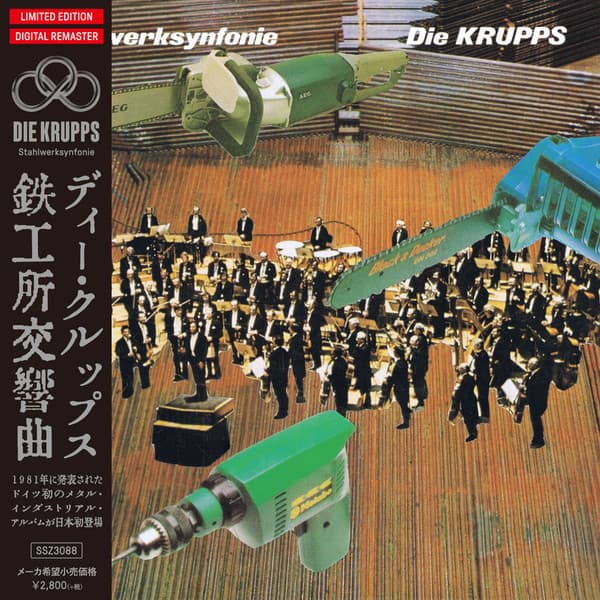
Die Krupps
Stahlwerksynfonie
1981
Jürgen Engler builds a metal instrument and points the city's rhythm at the steelworks instead of the autobahn.
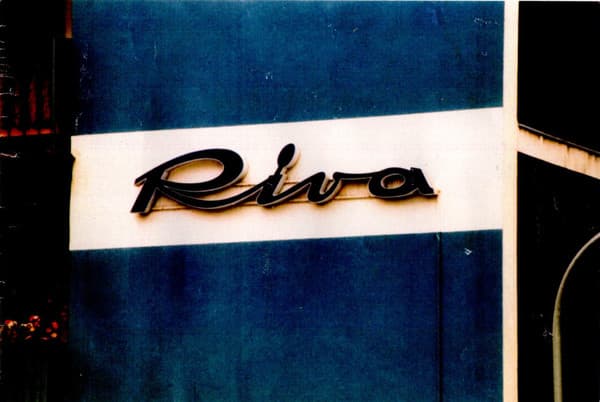
Kreidler
Riva
1994
Düsseldorf players drawing on Kraftwerk, Neu!, La Düsseldorf and the Ratinger Hof era, first released on France's A Contresens.