Early Jungle
London 1992–94: breakbeat hardcore mutates into something darker, faster and entirely its own.
What you're really asking
You want the window before jungle got tidy — roughly 1991 to 1994, when hardcore rave broke apart and the breakbeat got faster than the vocal could follow. Not drum & bass.
The messy part before it, when producers were still chopping the same handful of funk breaks on samplers with four seconds of memory and dubplates were the only distribution that mattered.
Where it sits
It starts in London and the Home Counties, out of the ashes of bleep techno and breakbeat hardcore. By 1991 pirate stations — Kool FM, Rush, Don FM — were pushing tempos past 150bpm while the basslines slowed into reggae time.
The critical move was cultural: second-generation Caribbean kids in Britain running rave music through soundsystem logic. Sublow bass, MCs on the mic, dubplate exclusivity, versions and remixes.
Labels formed fast and cheap: Reinforced in Dollis Hill, Suburban Base in Romford, Moving Shadow, Formation, Ibiza Records. By 1993 the "darkside" turn had stripped out the piano and the happy vocals.
By 1995 the ragga chatter receded, Goldie's Timeless arrived on FFRR, and the music got renamed drum & bass — which is where early jungle ends.
The scene
Who: 4hero and Dego, Rob Playford, Goldie, Rebel MC, Shy FX, DJ Hype, Remarc, Dillinja, Doc Scott, MCs Navigator, Det, Five-O. What: chopping the Amen, Think, Apache and Hot Pants breaks into new rhythms on Akai S950s, then dropping a sub or a dub bassline underneath at half speed.
How: records were cut to dubplate first, tested on Kool FM or at Roller Express and Telepathy, pressed only if the room reacted. White labels, no artwork, artist names changing per release.
The MC was not a hype man — he was the arrangement.
The leading records
4hero
Mr Kirk's Nightmare
1990
Reinforced's founding document — a sampled police death notification over hardcore breaks, the moment rave admitted it could be frightening.
Rebel MC
Wickedest Sound
1992
Reggae vocal, rave tempo, no apology — the record that made the sound-system lineage explicit rather than implied.
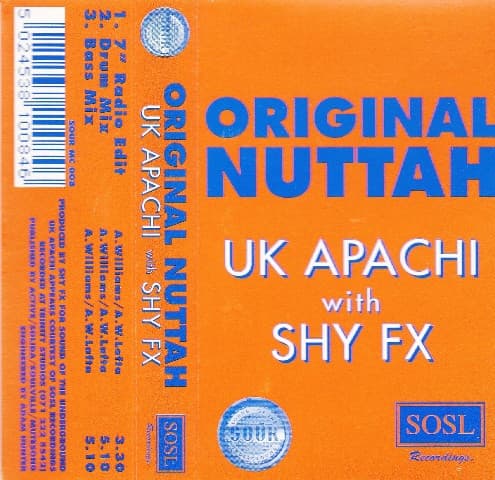
Shy FX
Original Nuttah
1994
UK Apache's vocal and a break chopped to shreds; the crossover moment, still the single most recognisable jungle record.
Remarc
R.I.P.
1994
Amen editing as pure violence — Remarc cut breaks tighter and faster than anyone, and producers still study these bars.
Goldie presents Metalheadz
Terminator
1992
Timestretching used as an instrument for the first time, and the record that pointed jungle toward the studio rather than the rave.
Oddballs
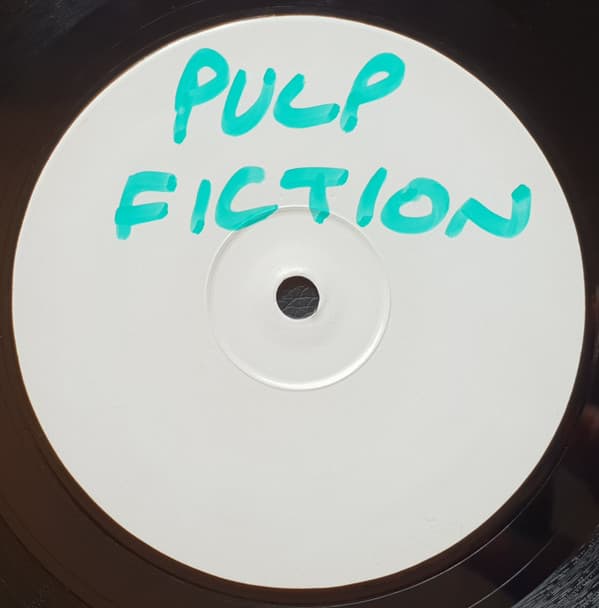
Alex Reece
Pulp Fiction
1995
Half a jazz record, two-step drums, no ragga at all — the exit door out of jungle, taken early.
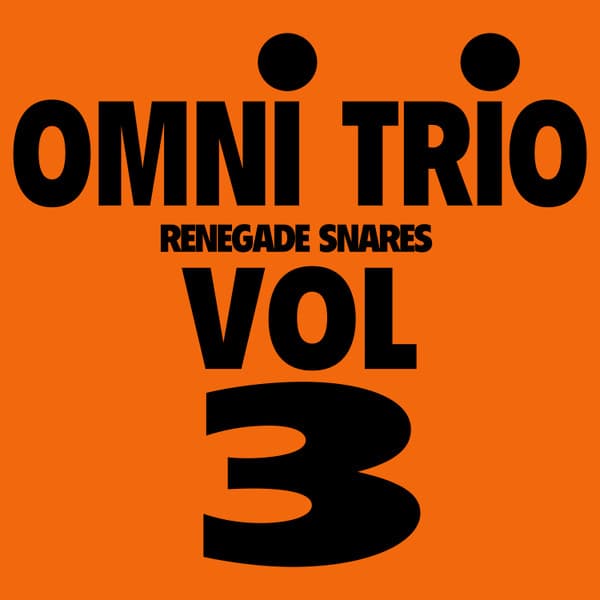
Omni Trio
Renegade Snares
1993
Rob Haigh came from experimental cassette culture into Moving Shadow — sweet piano over brutal breaks, the softest hard record of the era.
Bizzy B
Ecstacy Is a Science
1994
Brain Records at its most deranged — cartoon vocal samples, breaks folded inside out, proof jungle was allowed to be funny.
Keep digging
- Where did the Amen break come from?
- What did Kool FM actually sound like?
- How did jungle become drum and bass?
- Which labels are worth digging first?