Electroclash
Synths, sleaze and drum machines — the early-2000s moment when electro got a dirty mind.
What you're really asking
You want a way in, not a canon. Electroclash was a short window — roughly 1998 to 2003 — when New York, Berlin, Detroit and Paris all decided the answer was an old analogue drum machine, a deadpan vocal and a dress code.
The entry point is not a sound so much as an attitude: punk delivery over electronic equipment, made by people who mostly could not play.
Where it sits
The term came from Larry Tee, a New York promoter who named his October 2001 festival Electroclash and then used the word for everything around it. But the records predate the label.
Ersatz Audio in Detroit and International Deejay Gigolos in Munich were already putting out cold, vocal-led electro by 1998. In New York, Fischerspooner built a theatre piece around pop songs; Felix da Housecat flipped from Chicago house to synth-pop; Peaches made an album on a Roland MC-505 alone in a Toronto apartment.
In Paris, the Tigersushi and Record Makers crowds — Vitalic, Black Strobe — pushed the harder, French end. By 2003 the press had turned on the word, and the artists stopped using it.
The music carried on under "electro" and "new rave".
The scene
, DJ Hell. What: 12"s and compilations, not albums — Gigolo's series and Tee's festival mix did the sorting.
How: the gear defined it. Roland TR-606 and 808, Juno and SH-101, voice through cheap effects, lyrics spoken more than sung, usually about sex, fame or boredom.
Records were made fast and cheap, often by two people, often one of them doing the vocals as a joke that stuck. Scene venues mattered as much as studios: Luxx in Williamsburg, Berlin's WMF, Paris's Pulp.
The leading records
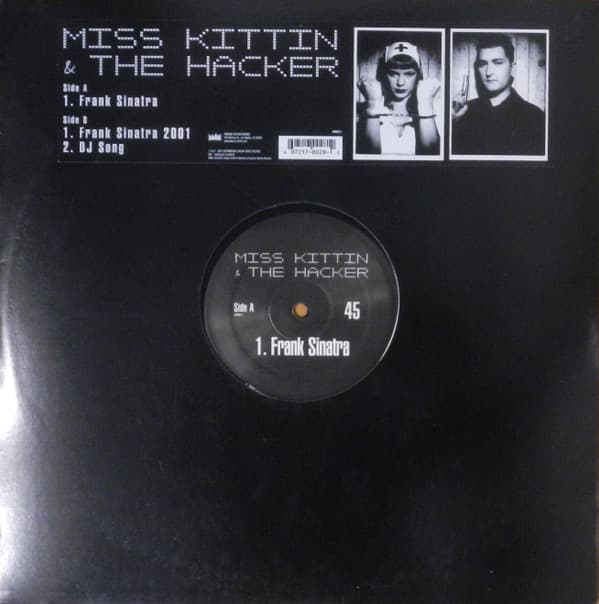
Miss Kittin & The Hacker
Frank Sinatra
1998
The blueprint single — Caroline Hervé reciting celebrity-name boredom over Michel Amato's cold 606 electro, three years before anyone had a word for it.
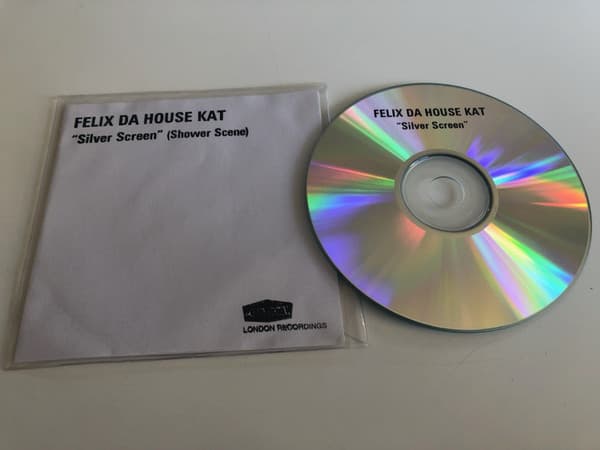
Felix da Housecat
Silver Screen Shower Scene
2001
A Chicago house producer handing the mic to Miss Kittin; the Thin White Duke remix pushed it onto radio and into the ads.
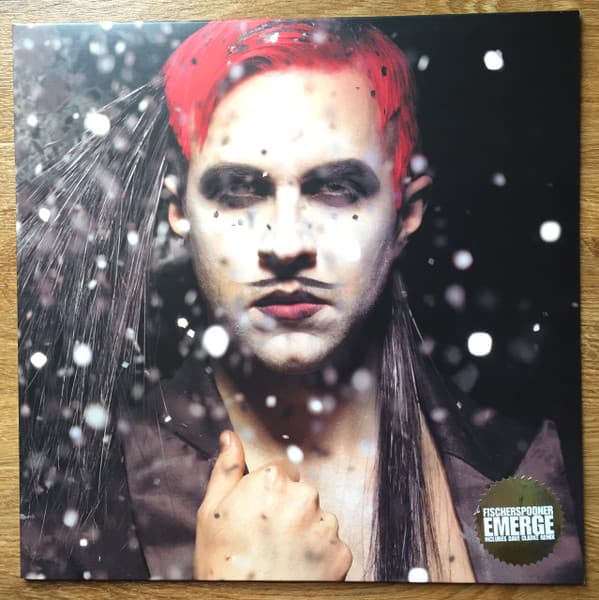
Fischerspooner
Emerge
2001
Started as a performance-art piece in a Starbucks window, ended as a major-label bidding war — the moment the scene went commercial.
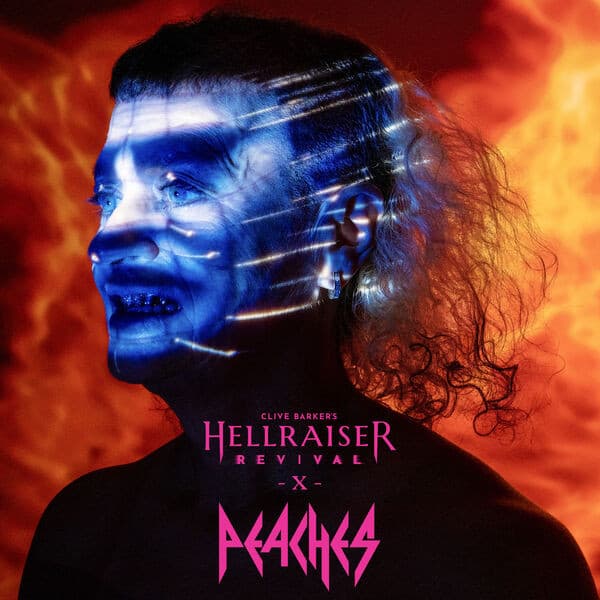
Peaches
Fuck the Pain Away
2000
One woman, one MC-505, no overdubs to hide behind; the record that proved the scene did not need a studio or a band.
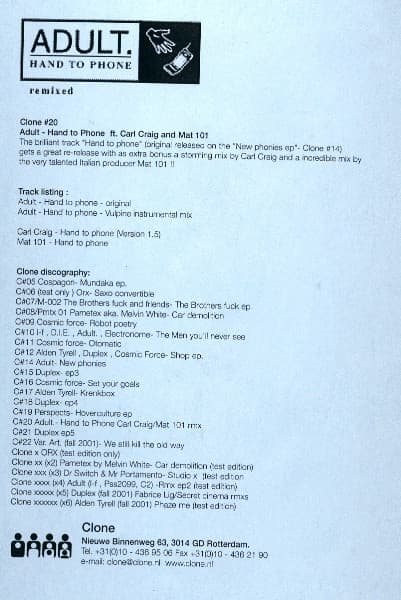
ADULT.
Hand to Phone
2001
Detroit's end of it — Nicola Kuperus singing flat over Adam Lee Miller's rigid analogue sequence, closer to Cabaret Voltaire than to pop.
Oddballs

Chicks on Speed
Euro Trash Girl
2000
A cover of a Cracker song by an art-school trio who treated fashion and music as the same project.
Vitalic
La Rock 01
2001
French, brutal, almost no vocal — the record that showed how fast the sound could turn into pure dancefloor pressure.
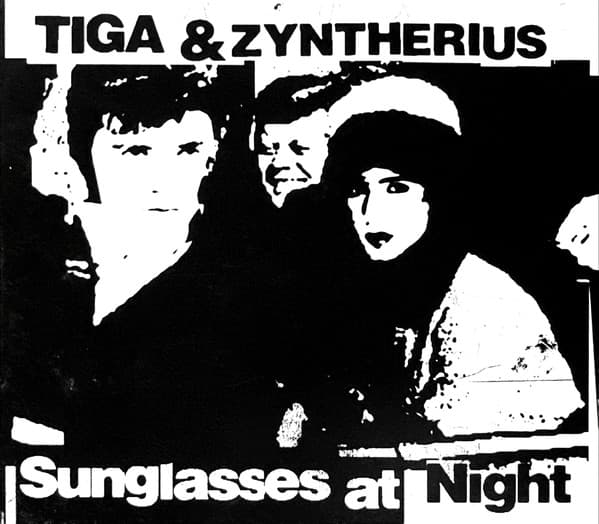
Tiga & Zyntherius
Sunglasses at Night
International DeeJay Gigolo / Turbo · 2001
A Corey Hart soft-rock single rebuilt as deadpan electro, and the scene's biggest crossover hit.
Read more →
Keep digging
- What killed electroclash so fast?
- Which labels should I dig first?
- How does this connect to EBM?
- What did Miss Kittin do next?