Florida Death Metal
Tampa, 1987–1995: one studio, one engineer, and the sound every death metal band chased after.
What you're really asking
You're asking about a sound, but the real answer is a building. Tampa was the world capital of death metal in the early 1990s, anchored almost entirely by one studio — Morrisound Recording, opened by brothers Tom and Jim Morris in 1981.
Florida death metal is what happens when a dozen teenage bands from strip-mall suburbs all track through the same room with the same engineer: gated kick drums, scooped guitars, vocals buried just enough to read as texture.
Where it sits
Chuck Schuldiner started Mantas in Altamonte Springs in 1983, renamed it Death, and cut Scream Bloody Gore for Combat in 1987 — the template. Morbid Angel formed in Tampa in 1984 and landed on Britain's Earache for Altars of Madness in 1989, with Dan Seagrave painting the cover.
Obituary came out of Brandon as Executioner and signed to Roadrunner. The gravity was Morrisound: Tom and Jim Morris ran the desk, and staff engineer Scott Burns tracked a huge share of the genre's early catalogue — Deicide, Cannibal Corpse, Sepultura, Napalm Death flying in from England and Brazil to get the Tampa sound.
Cannibal Corpse relocated to Tampa from Buffalo in 1994; proximity to the studio was a major reason Tampa became a haven — bands wanted to be close to the room. By 1995 the sound had hardened into a worldwide standard, then splintered into technical and brutal strains.
The scene
Who: Schuldiner, Trey Azagthoth and David Vincent, John Tardy and the Tardy brothers, Glen Benton, Alex Webster; Scott Burns and the Morris brothers behind the glass; the Brass Mug and Tampa VFW halls for shows.
What: downtuned riffs built from tremolo and chromatic slides, blast beats and double-kick from Pete Sandoval onward, gutturals used as rhythm rather than melody, no choruses in the pop sense.
How: demos traded by mail through the tape-trading network, then Earache, Roadrunner, Combat and Metal Blade signing off the cassettes. A record got in by passing through Morrisound — that signature drum sound was the membership card, and it is also why so many of these albums sound like siblings.
The leading records
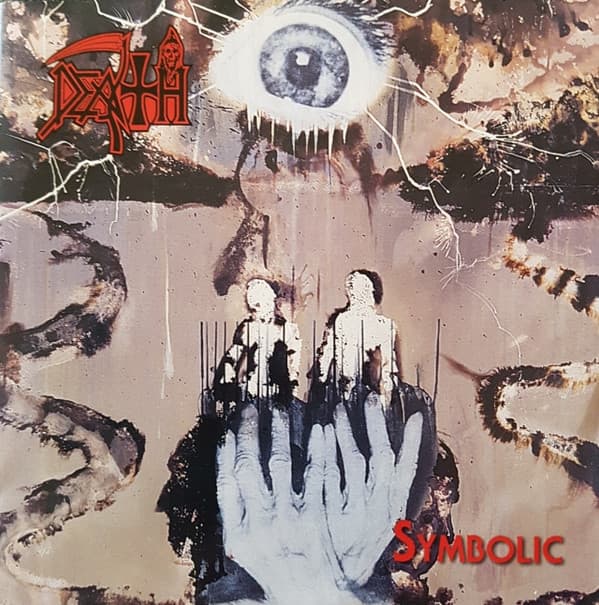
Death
Symbolic
1995
Six weeks at Morrisound Studio A in late 1994 with Jim Morris producing; two unknown Florida players, Bobby Koelble and Kelly Conlon, on their only Death album.
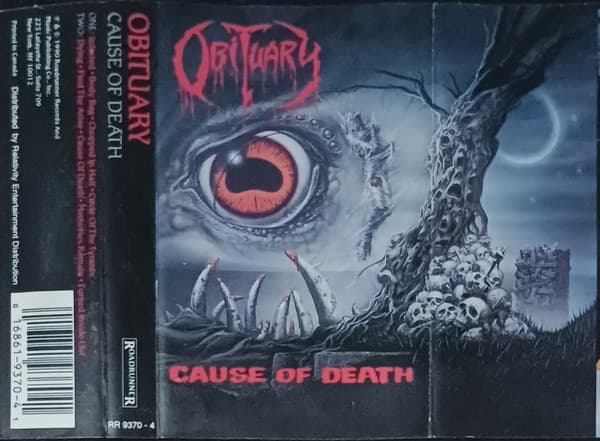
Obituary
Cause Of Death
1990
Scott Burns at the desk, James Murphy's leads over John Tardy's wordless retching — and a Michael Whelan painting that later pressings swapped out.
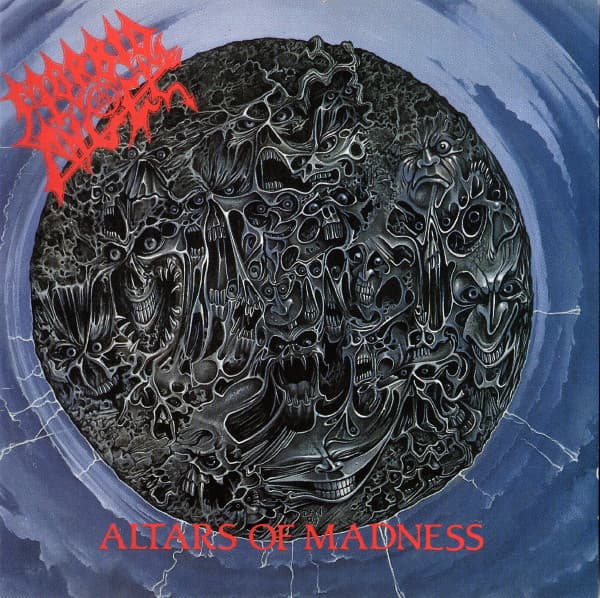
Morbid Angel
Altars Of Madness
1989
Earache's American beachhead: Pete Sandoval's blasts and Trey Azagthoth's atonal leads set the ceiling for speed in 1989.
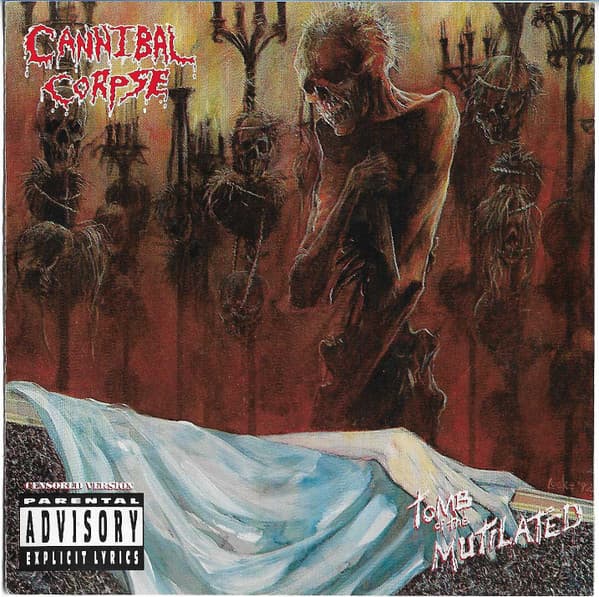
Cannibal Corpse
Tomb Of The Mutilated
1992
Cut in two weeks at Morrisound in June 1992 with Scott Burns; the banned sleeve and Chris Barnes' lowest register made it the band's line in the sand.
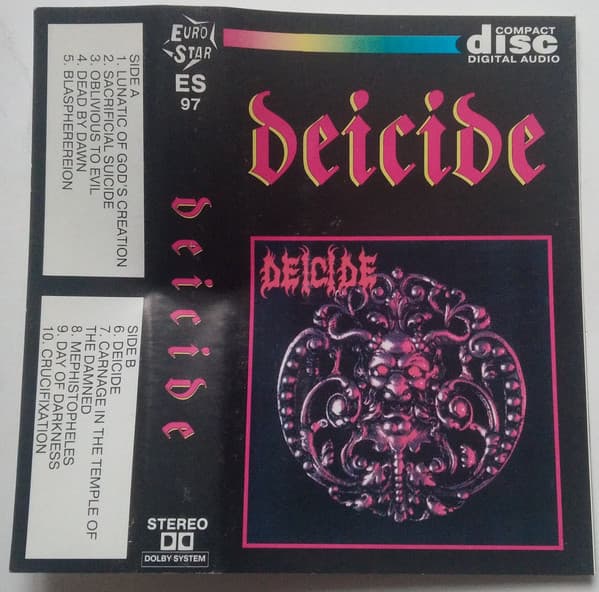
Deicide
Deicide
1990
Glen Benton's layered double-tracked vocals — high and low at once — became the most imitated trick in Florida.

Death
Scream Bloody Gore
1987
The starting pistol: Schuldiner playing almost everything, recorded in California but written in Florida bedrooms.
