Japan Rock
Million-selling guitar music built for Japanese TV, stadiums and karaoke — CD-era records only now reaching vinyl.
What you're really asking
You're asking about the 1988–2000 window when Japanese guitar bands stopped being a subculture and became the mainstream — the era of the tie-up single, where a drama theme or a Shiseido ad could move two million copies.
The sound is a hybrid: Western hard rock and Britpop chassis, Japanese melodic writing on top, a chorus engineered to be sung back by 50,000 people. It's also the hardest era to dig on vinyl, because almost all of it was born on CD.
Where it sits
The ground was cleared in the 80s by Boøwy and by X Japan, whose 1989 Blue Blood turned speed metal and piano ballads into a template and launched visual kei. Then the industry caught up.
4 million with In the Life in 1991. Children in 1992; Atomic Heart arrived September 1994 and became their biggest seller.
From Hakodate came Glay, whose major debut landed on Platinum Records, the PolyGram division Yoshiki of X Japan founded. L'Arc-en-Ciel signed to Sony's Ki/oon in 1994.
By 1999 the scale was absurd: Glay's Expo '99 at Makuhari Messe drew 200,000 people, then the largest single-act ticketed concert ever.
The scene
Who: Tak Matsumoto and Koshi Inaba in Osaka; Kazutoshi Sakurai with producer Takeshi Kobayashi; hyde, ken, tetsuya and sakura out of Osaka's live-house circuit; Glay out of Hakodate via Tokyo.
Venues: Nippon Budokan as the graduation ceremony, then Tokyo Dome, then open fields. What: big compressed drums, double-tracked guitars, a key change before the last chorus, vocals mixed hot and forward.
How a record gets in: a tie-up — drama theme, anime opening, commercial — then an album that sells past a million off the back of it. Glay's Review moved over two million in week one.
The leading records
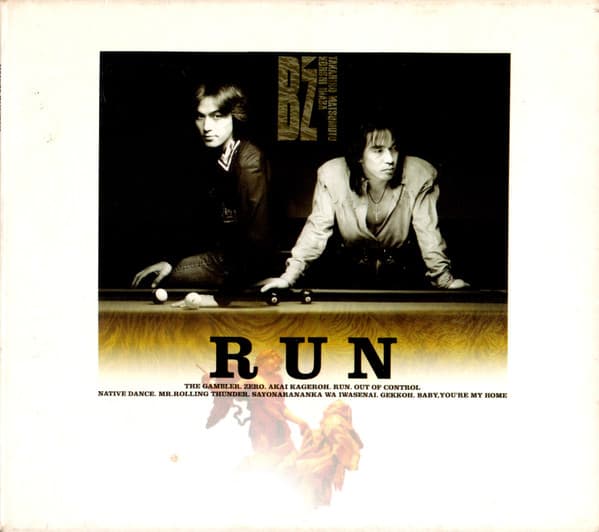
B'z
Run
1992
The pivot from synth band to guitar band — a real horn section replaced the synth brass and the organ moved up front.
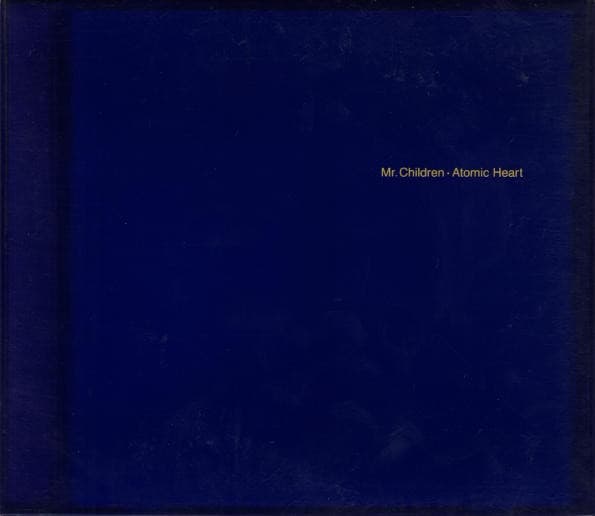
Mr.Children
Atomic Heart
1994
Printer noise and rain used as interludes on a 3.4-million-selling pop-rock record — Kobayashi smuggling art-rock sequencing into the charts.
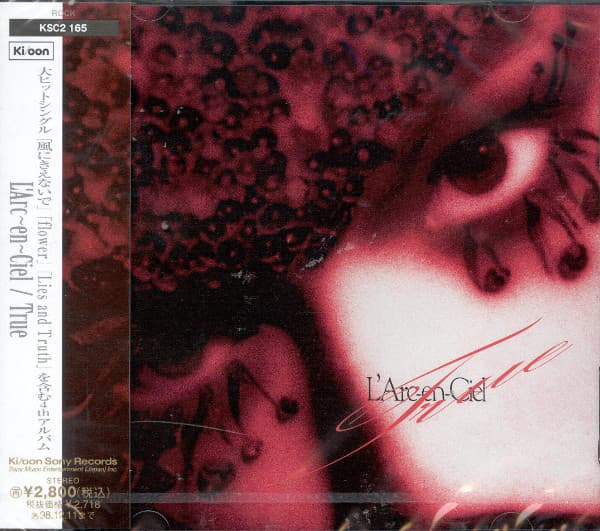
L'Arc-en-Ciel
True
1996
Their fourth album and the last with sakura on drums; "the Fourth Avenue Café" sat unreleased as a single for a decade.

Glay
Review ~Best of Glay~
1997
A hits compilation spanning Hai to Diamond through Beloved — the record that proved Japanese rock could outsell everything else in the country.
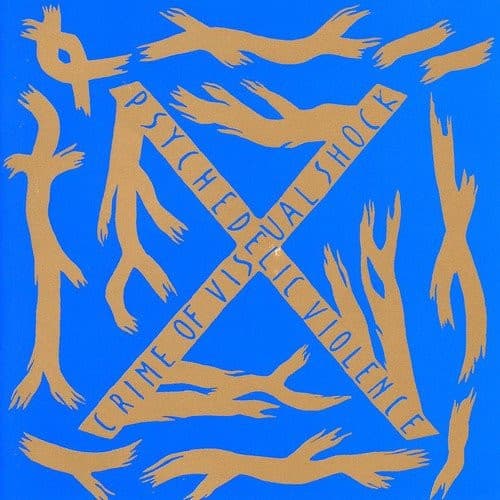
X Japan
Blue Blood
1989
Thrash tempos, classical piano, hairspray: the blueprint every visual kei band after it either followed or reacted against.
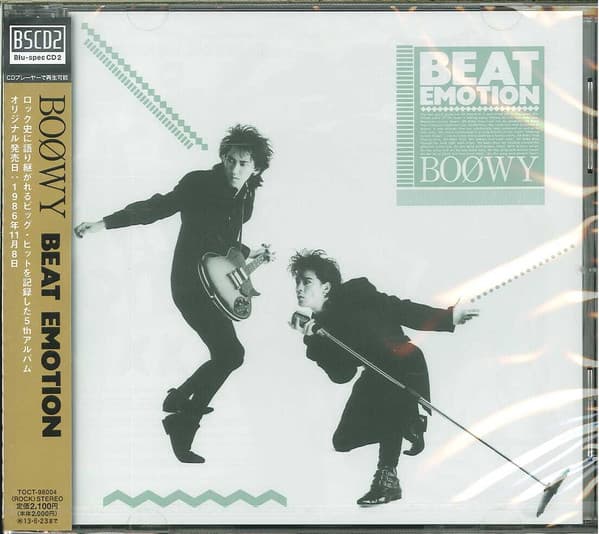
Boøwy
Beat Emotion
1986
Himuro and Hotei's lean two-guitar new-wave rock — the band the stadium generation grew up copying.
Oddballs
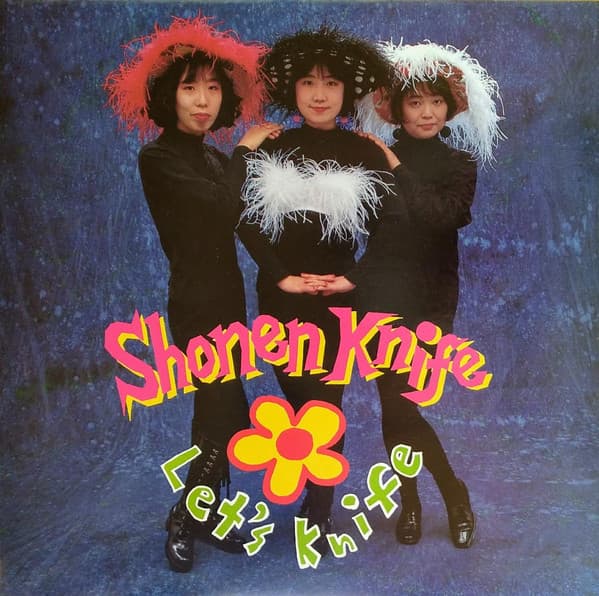
Shonen Knife
Let's Knife
1992
Osaka three-piece re-recording their catalogue in English; Kurt Cobain's advocacy sent them out of Japan rather than up its charts.
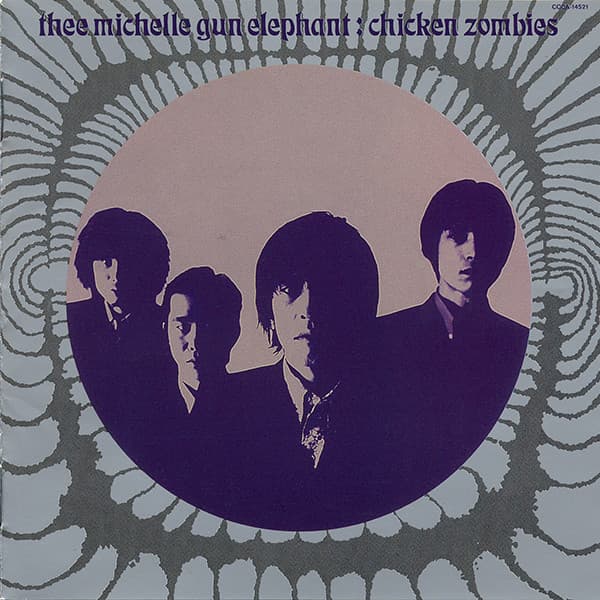
Thee Michelle Gun Elephant
Chicken Zombies
1997
Dr. Feelgood and the Birthday Party filtered through Tokyo — no key change, no tie-up gloss, still gold-selling.
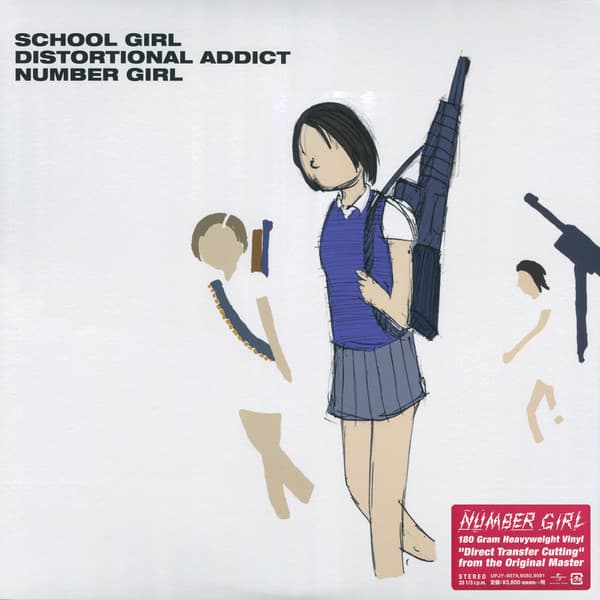
Number Girl
School Girl Distortional Addict
1999
Fukuoka four-piece, Pixies dynamics and shouted Japanese, recorded hard and dry while the majors were polishing everything.
Keep digging
- Which of these exist on original vinyl?
- What was the Being sound and who else made it?
- Where does visual kei split from mainstream J-rock?