Japanese City Pop
The city sounds expensive. The musicians make every detail count.
What you're really asking
The songs are polished, but the pleasure is often in the playing: a bass figure, a backing vocal, a chord change that turns the whole room warmer. City Pop connects Japanese pop production with soul, funk, AOR and jazz-informed arrangements.
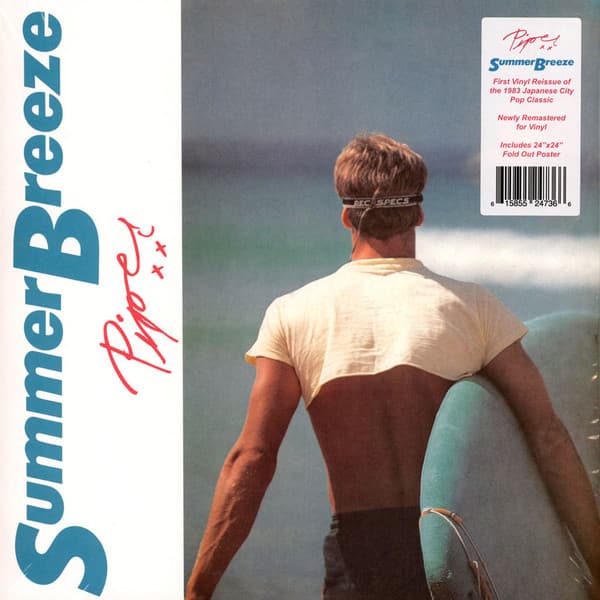
It has several moods, far beyond the sunset image on a reissue cover.
Where it sits
From the mid-1970s through the 1980s, Japanese musicians and studio networks developed sophisticated pop that absorbed international influences into local songwriting and production.
Connections run through artists, arrangers and session players, including the wider circles around Haruomi Hosono, Tatsuro Yamashita and Taeko Ohnuki. Toshiki Kadomatsu and others shaped a more dance-oriented 1980s vocabulary.
Later international rediscovery enlarged the City Pop umbrella; original credits are more useful than retro imagery for understanding its historical structure.
The scene
Who: Yamashita, Ohnuki, Kadomatsu, Anri, Takeuchi and their collaborators. What: carefully arranged pop, groove, close studio relationships and shifting balances between bands and electronics.
City Pop is a broad historical production ecosystem, not one venue’s scene. YMO’s technopop, Casiopea’s fusion and later Lamp records are neighbouring routes that need separate classification.
The leading records
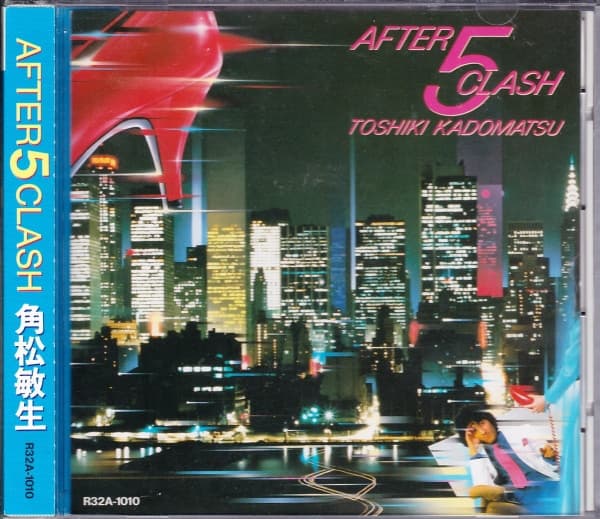
Toshiki Kadomatsu
After 5 Clash
1984
A dance-oriented doorway with tightly arranged playing.
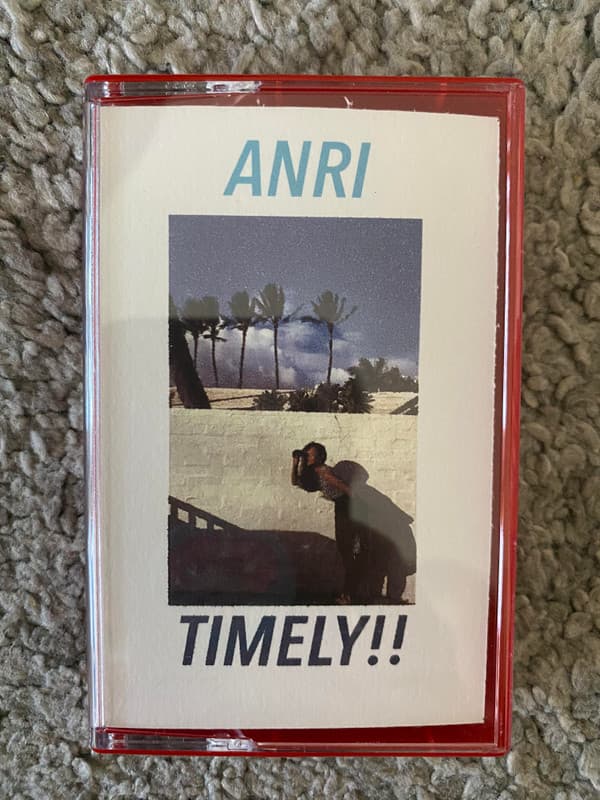
Anri
Timely!!
1983
A central route through Kadomatsu-connected pop production.

Taeko Ohnuki
Sunshower
1977
An earlier, jazz-and-soul-inflected world.
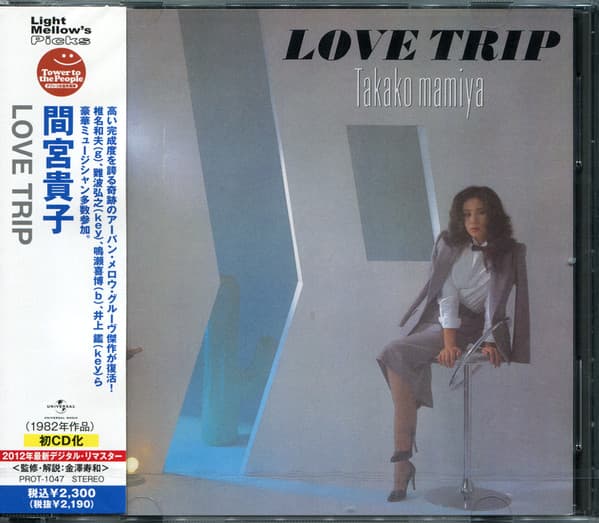
Takako Mamiya
Love Trip
1982
A complete album route beyond the familiar internet singles.

Makoto Matsushita
First Light
Air Records · 1981
Guitar, studio craft and an AOR-facing sound.
Read more →
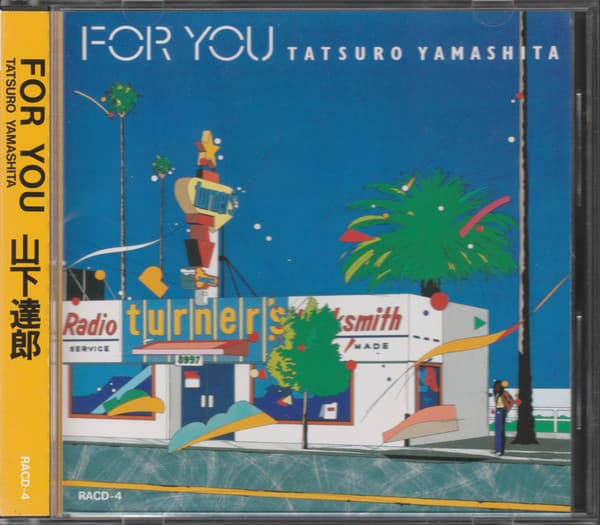
Tatsuro Yamashita
For You
1982
The genre's glossy high-water mark.
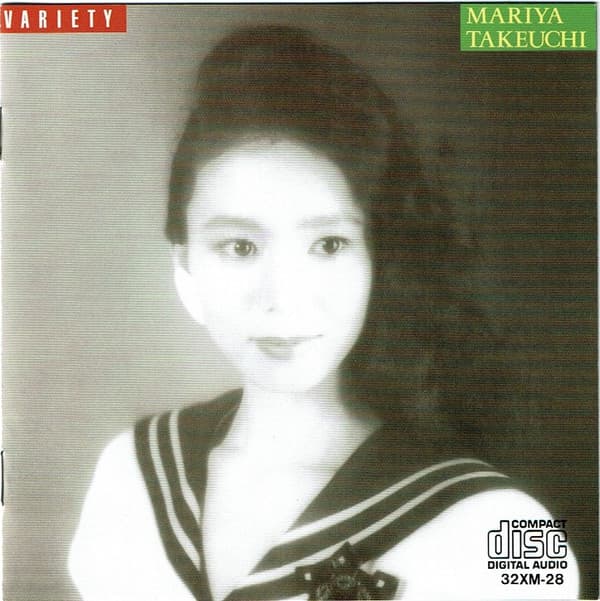
Mariya Takeuchi
Variety
1984
Home to Plastic Love, the song that reopened the whole scene.
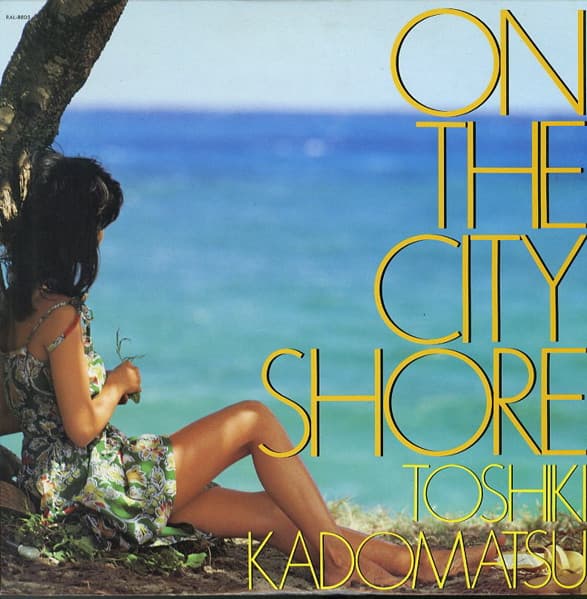
Toshiki Kadomatsu
On The City Shore
Air Records · 1983
Guitar-led, boogie-inflected city pop.
Read more →
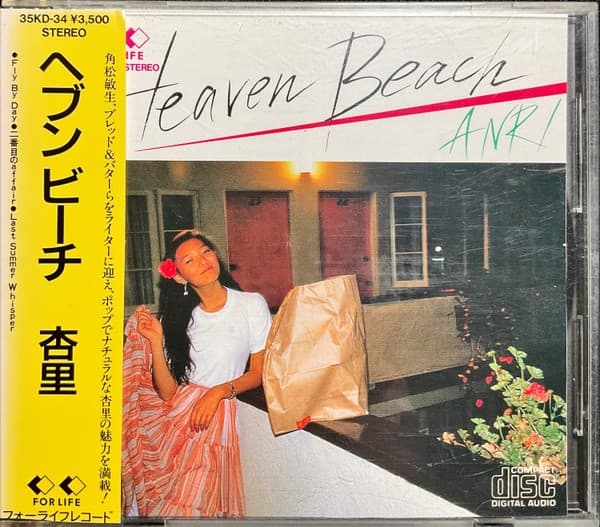
Anri
Heaven Beach
1982
Summer-coded pop built with Kadomatsu.
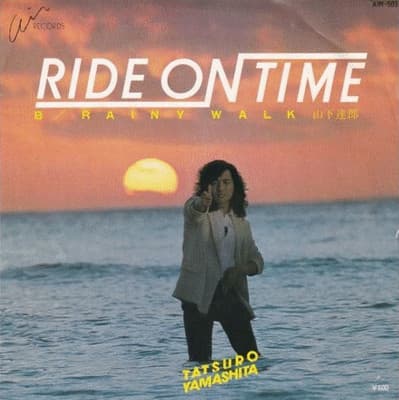
Tatsuro Yamashita
Ride On Time
1980
The breakthrough that set the sound.
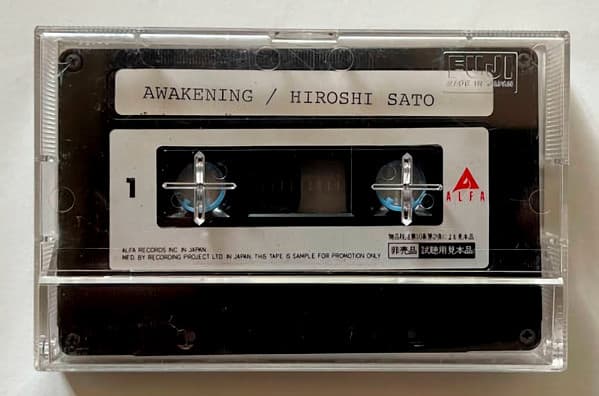
Hiroshi Sato
Awakening
1982
Keyboard craft with Wendy Matthews on vocals.
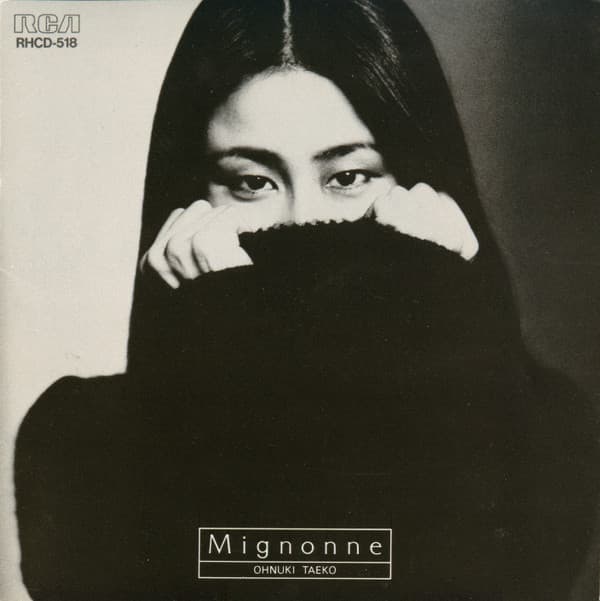
Taeko Ohnuki
Mignonne
1978
The sophisticated, jazz-leaning wing of the scene.
Oddballs
Keep digging
- Follow Kadomatsu’s production credits
- The earlier Ohnuki and Hosono connections
- More albums beyond Plastic Love
- City Pop’s borders with fusion and technopop