Japanese Post-Rock & Math Rock
Clean twin guitars, drums played as lead instrument, odd meters delivered like pop — Tokyo and Kyoto, 2000 onward.
What you're really asking
You're asking about two things the rest of the world filed under one name. Post-rock in Japan went orchestral and slow-building; math rock went dry, clean and fast, with the drum kit carrying the melody.
The thread between them is arrangement — these bands write parts, not riffs, and the records are mixed so you can hear every one of them.
Where it sits
Tokyo, around the turn of the century. Mono formed in 1999 and found their audience abroad before home, landing on Temporary Residence in the US.
Toe formed in 2000 and put out their first album through Catune in 2005, then started their own label, Machu Picchu Industrias, alongside Mouse on the Keys, Enemies and Tangled Hair.
Lite formed in Tokyo in 2003, self-released two demo CDs, and had their early records issued in the UK and Europe through Transduction and Cargo — the export route mattered as much as the domestic one.
Kyoto's tricot formed in 2010, set up Bakuretsu Records in 2011, and charted with their debut in 2013. Topshelf and Big Scary Monsters carried the catalogue west; by the 2010s "Japanese math rock" was a YouTube search term with its own ecosystem of tabs, covers and Western imitators.
The scene
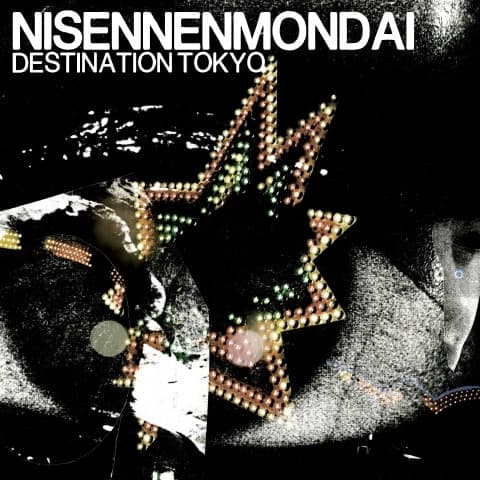
Who: Toe, Mono, Lite, tricot, Mouse on the Keys, Envy, Nisennenmondai — plus the Shimokitazawa and Kyoto live-house circuit, and labels run by the bands themselves. What: clean, undistorted guitar tone, two guitars interlocking rather than doubling, bass high in the mix, and drumming that fills the space vocals would occupy.
Toe's Takashi Kashikura is the reference point — AllMusic called the drums the star of their debut. How a record gets in: composition over volume, dry production that keeps the instruments separated, and a willingness to let a pretty melody survive a 7/8 bar.
The leading records
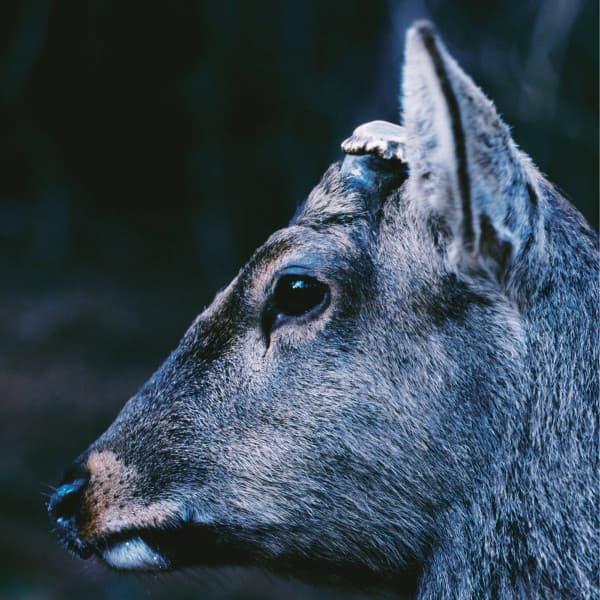
toe
The Book About My Idle Plot On A Vague Anxiety
2005
Catune, CATUNE-19 — the template: brushed and battered drums up front, two clean guitars, almost no singing.
Mono
Hymn To The Immortal Wind
2009
Cut with Steve Albini at Electrical Audio in Chicago with a 28-piece orchestra — the point where Japanese post-rock stopped being a guitar format.

LITE
Phantasia
2008
Daizawa in Japan, Transduction abroad; the funk-leaning, high-BPM wing — the record UK tech-heads heard first.
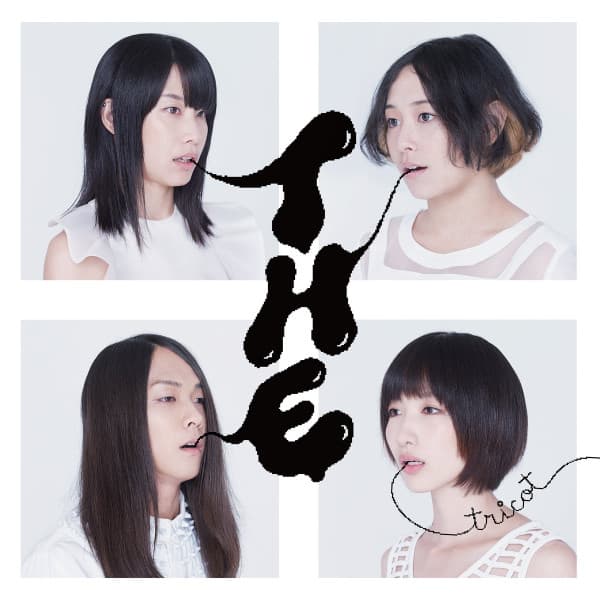
tricot
T H E
2013
Self-released on their own Bakuretsu and straight to number 18 on Oricon — proof the form worked with a pop vocal on top.
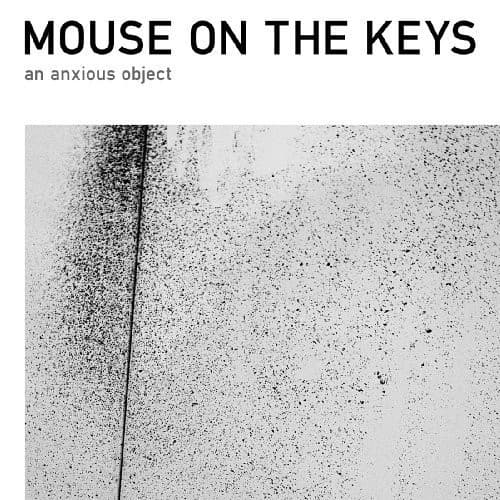
mouse on the keys
an anxious object
2009
Two pianos and drums, no guitar at all, on Toe's own Machu Picchu label — the scene's jazz flank.
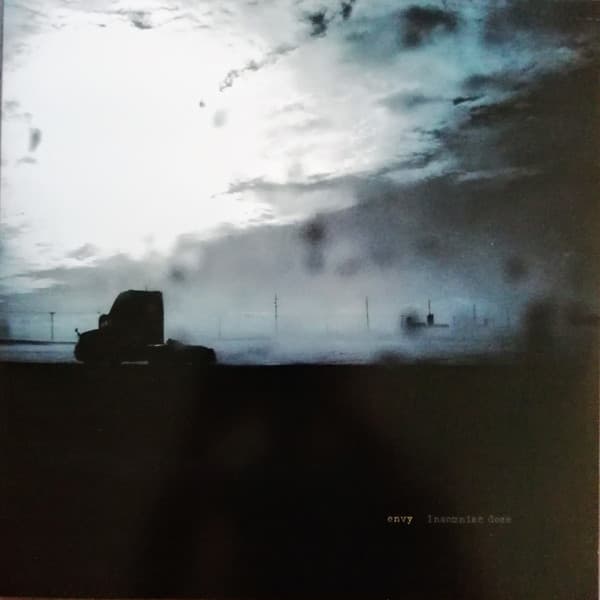
envy
Insomniac Doze
2006
Screamed hardcore grafted onto twenty-minute post-rock builds; the Temporary Residence release that connected Tokyo's two tempos.