Japanese Techno, '90s–'00s
Tokyo and Osaka build their own techno — precise, melodic, and a little stranger than the blueprint.
What you're really asking
You're asking about a national techno scene that absorbed Detroit and European influences and then went its own way. Japanese techno of the nineties and early two-thousands can be hard and functional, melodic and bright, or quietly experimental.
The common thread is craft: these are records made by people who treated the machine as an instrument to be mastered.
Where it sits
It grew in the early nineties around Tokyo and Osaka clubs and a cluster of independent labels. Ken Ishii reached European floors through R&S and Belgium's wider network, while Takkyu Ishino moved between Denki Groove and his own solo techno.
Labels including Sublime, Frogman and Torema pressed the domestic sound, and the club Yellow in Tokyo was a hub. By the two-thousands the scene had its own generations, from the hard Tokyo style of DJ Shufflemaster to the minimal direction Fumiya Tanaka carried abroad.
The scene
Who: Ken Ishii, Takkyu Ishino, Yoshinori Sunahara, Fumiya Tanaka, Susumu Yokota, DJ Shufflemaster, Takaaki Itoh and the producers around them. Labels: Sublime, Frogman, Torema and the domestic arms of European imprints.
What: techno that ranges from metallic and relentless to melodic and almost pop, with acid, electro and ambient all in reach. How a record gets in: it is part of this Japanese network of producers and labels, not simply techno that happens to be Japanese.
The leading records
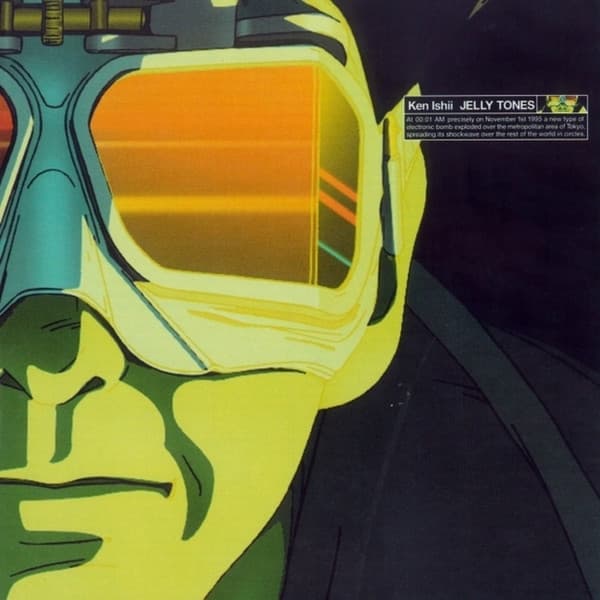
Ken Ishii
Jelly Tones
1995
Extra and the rest of the album that put Japanese techno on European floors.
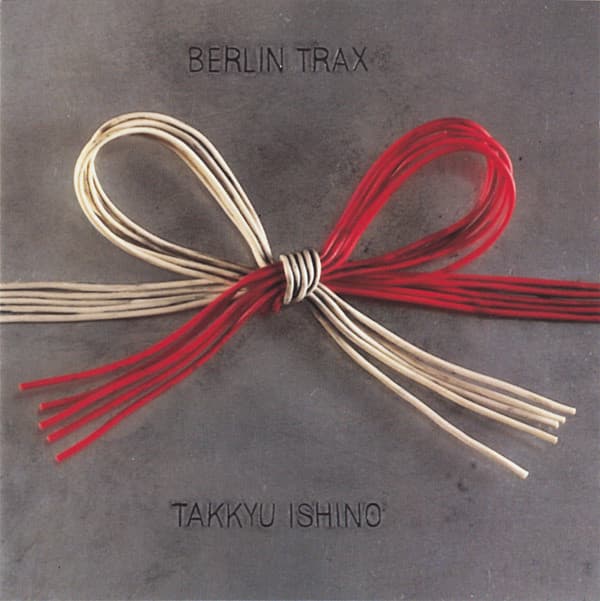
Takkyu Ishino
Berlin Trax
1998
The Denki Groove founder's solo techno statement.
Yoshinori Sunahara
Crossover
1995
Playful, sample-literate techno-pop from a former Denki Groove member.
DJ Tasaka
Loopa Trooper
2001
Big-room electro-techno energy.
Kagami
Tiger Track
2005
The late producer's bright, disco-tinged techno.
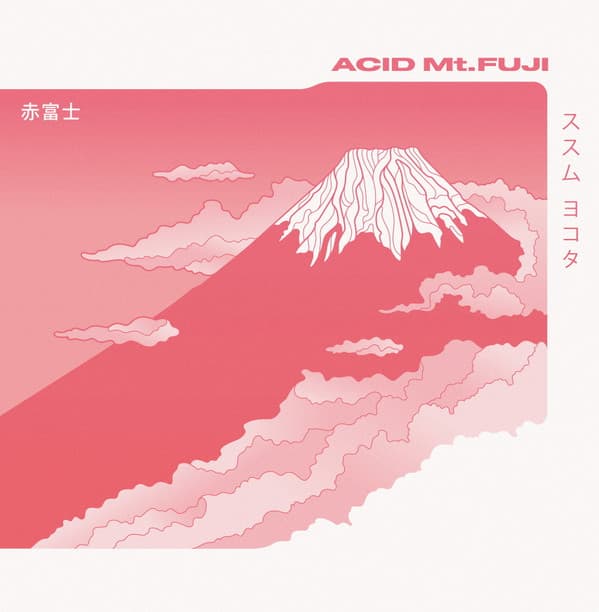
Susumu Yokota
Acid Mt. Fuji
1994
The ambient-acid landmark from a restless producer.
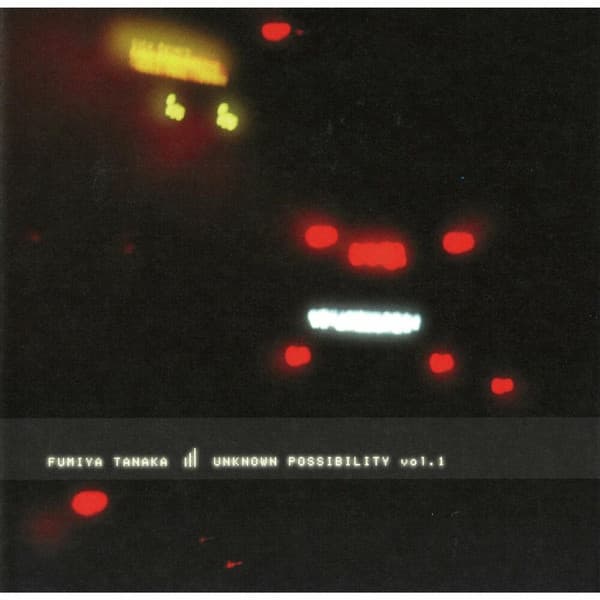
Fumiya Tanaka
Unknown Possibility Vol. 1
1997
Minimal, hypnotic and built for the long mix.
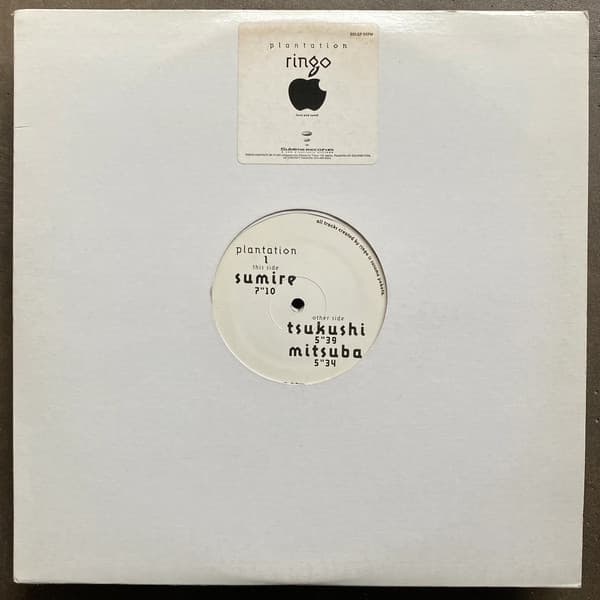
Ringo
Plantation
1995
Susumu Yokota's rave alias, melodic and airborne.
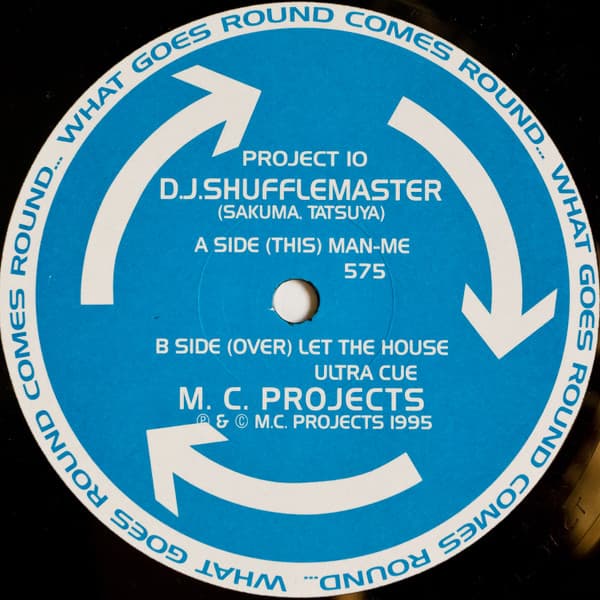
DJ Shufflemaster
Subvoice Project
1995
Hard, metallic Tokyo techno at its most precise.
Takaaki Itoh
Nobody Can Take What Everybody Owns
2004
Relentless, functional techno for the dark room.
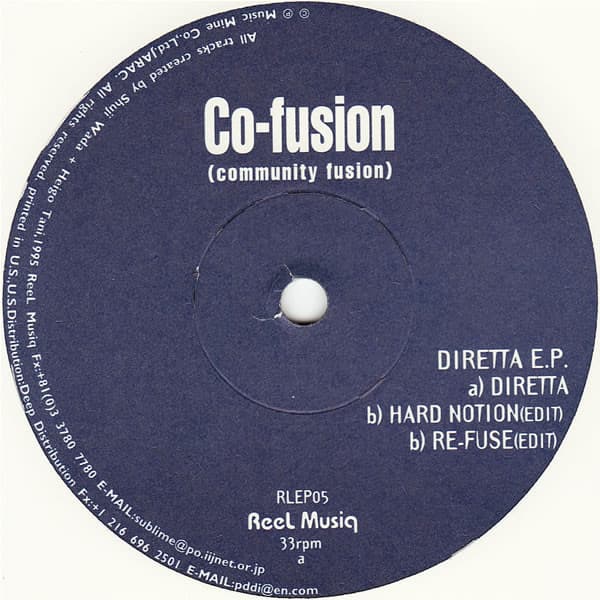
Co-Fusion
Diretta E.P.
1995
The duo's acid-leaning Tokyo sound.
Q'Hey
Index - Techno Re+Call
1996
A Tokyo club mainstay's driving techno.
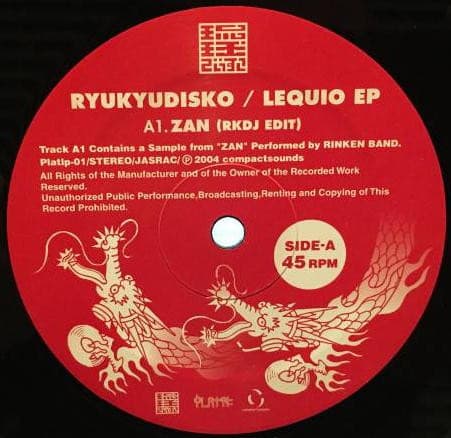
Ryukyudisko
Lequio EP
2004
Okinawan duo folding local melody into club tracks.
Oddballs
Keep digging
- Start with the harder Tokyo techno
- Follow Susumu Yokota into ambient and acid
- Ken Ishii and the European connection
- The minimal turn: Fumiya Tanaka abroad