Kingston Dub
Pull the vocal, push the bass: the Kingston rooms where the mixing desk became the lead instrument.
What you're really asking
You're asking about a sound, but dub started as a manufacturing accident turned method — the B-side version cut for a sound system, then taken apart on the desk. The engineer is the artist here: Osbourne Ruddock, Errol Thompson, Lee Perry, Hopeton Brown.
What you're buying is a mix, not a song, and the same rhythm will turn up on twenty records wearing different clothes.
Where it sits
Kingston, roughly 1968 to 1985. It begins with vocal-less acetates cut for sound systems at Duke Reid's Treasure Isle, where Osbourne "King Tubby" Ruddock worked as disc cutter before building his own studio at 18 Dromilly Avenue, Waterhouse, Kingston 11 — the address stamped on the records themselves.
His four-track desk, high-pass filter and spring reverb set the template. Lee Perry's Black Ark in Washington Gardens ran parallel from 1973.
Channel One on Maxfield Avenue supplied the Hoo Kim brothers' rhythms; Joe Gibbs and Errol Thompson supplied another river of them. Producers Bunny Lee, Niney, Yabby You and later Junjo Lawes fed the machine.
Tubby trained the next bench: Prince Jammy, Philip Smart, Scientist. Tubby was shot dead outside his home in February 1989.
By then the method had crossed into UK sound systems, post-punk, hip-hop and everything bass-led since.
The scene
Who: Tubby at Dromilly Avenue, Perry at the Black Ark, Errol Thompson at Randy's and Joe Gibbs, Scientist and Jammy on the apprentice bench, Augustus Pablo with a melodica and his own Rockers label.
What: a known rhythm stripped to drum and bass, then fragments thrown back in — a snare drowned in reverb, a horn line that appears once and vanishes. How a record gets in: it has to be a version.
The rhythm comes from somewhere else, usually a vocal hit, and the mix is the authorship. Scientist's Vampires rhythms were cut at Channel One by the Roots Radics and mixed at King Tubby's — that division of labour is the scene in one credit line.
The leading records
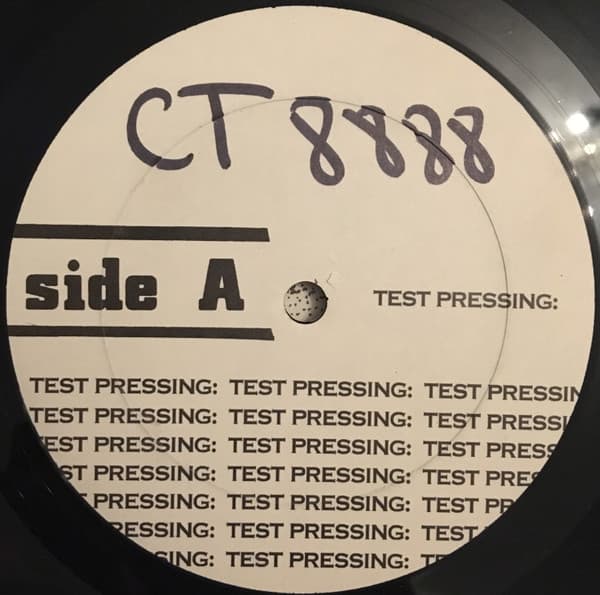
King Tubby
Dub From The Roots
1974
Tubby's first album under his own name, on Total Sounds — Bunny Lee rhythms, and pressings date it 1974 or 1975 depending which you hold.
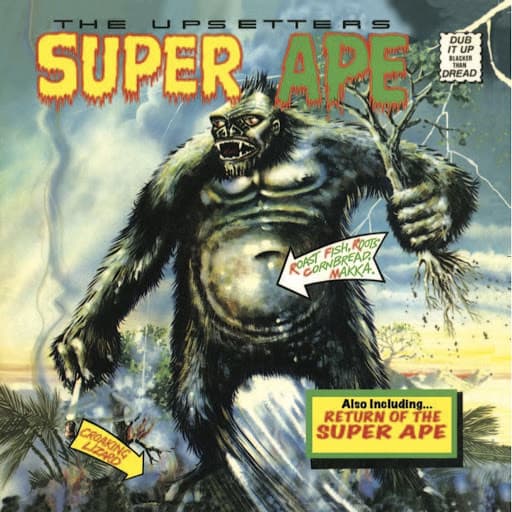
Lee Perry
Return Of The Super Ape
1978
The last of the Black Ark albums before the studio's decline — layered, smeared, closer to a fog than a mix.
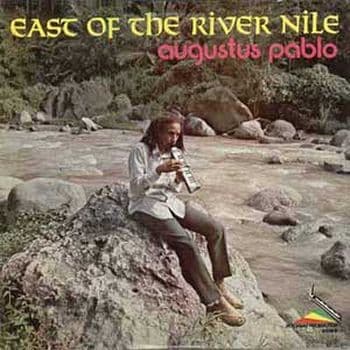
Augustus Pablo
East Of The River Nile
Shanachie · 1978
Melodica as lead voice and minor-key "Far East" scales — the branch of dub that goes inward rather than louder.
Read more →
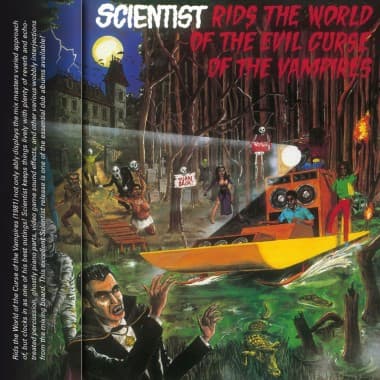
Scientist
Scientist Rids The World Of The Evil Curse Of The Vampires
1981
Junjo Lawes produced, Roots Radics played, Scientist mixed at Tubby's; roots rhythms hardening into early dancehall, with Tony McDermott's comic sleeve doing half the selling.
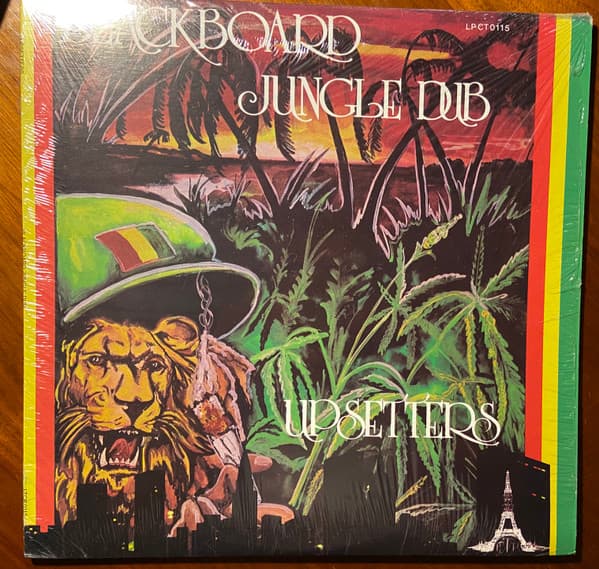
The Upsetters
Blackboard Jungle Dub
1973
Perry and Tubby splitting the rhythm across two channels — the record that made dub an album-length idea, not a flipside.
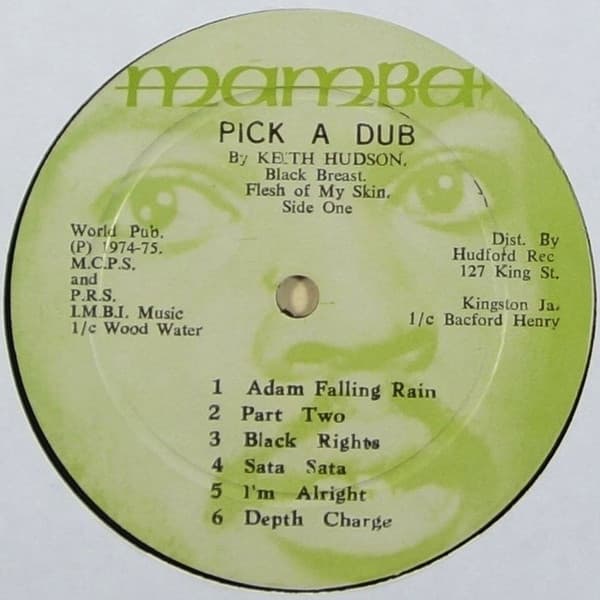
Keith Hudson
Pick A Dub
1974
Hudson sequenced it as a deliberate LP rather than a bundle of versions, and sang nowhere on it.
Oddballs
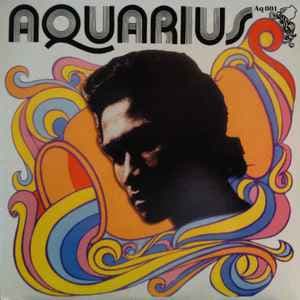
Herman Chin Loy
Aquarius Dub
1973
A record-shop owner's instrumental session, pressed before anyone agreed what to call this — often cited among the first dub LPs.
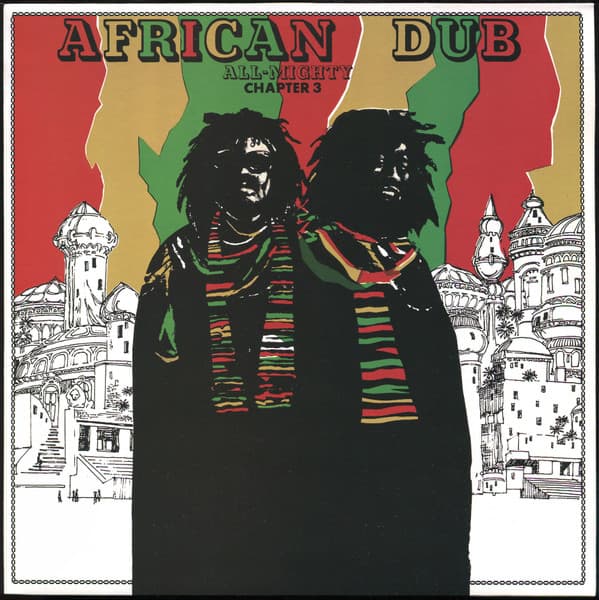
Joe Gibbs & The Professionals
African Dub All-Mighty Chapter 3
1978
Errol Thompson drops telephones, doorbells and cash registers into the mix; the gimmick carried it far outside reggae shops.

Prince Jammy
Prince Jammy Destroys The Invaders
1982
Arcade bleeps over Roots Radics rhythms, three years before Jammy's "Sleng Teng" moved Kingston onto a Casio.
Keep digging
- Which rhythms get versioned the most?
- How do I spot an original Total Sounds pressing?
- What did UK sound systems do with this?