Kingston Rub-a-Dub & Early Dancehall
One riddim, a singer, a deejay — and a whole sound system waiting for its turn.
What you're really asking
The bass and drums leave a space you could walk into. A singer takes it first; a deejay might answer on another version.
This is Kingston's late-1970s and early-1980s dancehall world, where records belong to a conversation between studios and sound systems.
Where it sits
Dancehall culture was already established before this period. What changed was the balance of the records: producers including Henry 'Junjo' Lawes and Linval Thompson worked with the Roots Radics on lean, heavy backing tracks that suited singers and deejays alike.
Channel One and King Tubby's studio were important parts of the recording and mixing network, with Scientist shaping many dub versions. Around 1985, the digital breakthrough associated with 'Sleng Teng' opened a different chapter; this scene centres on the earlier, predominantly band-played phase.
The scene
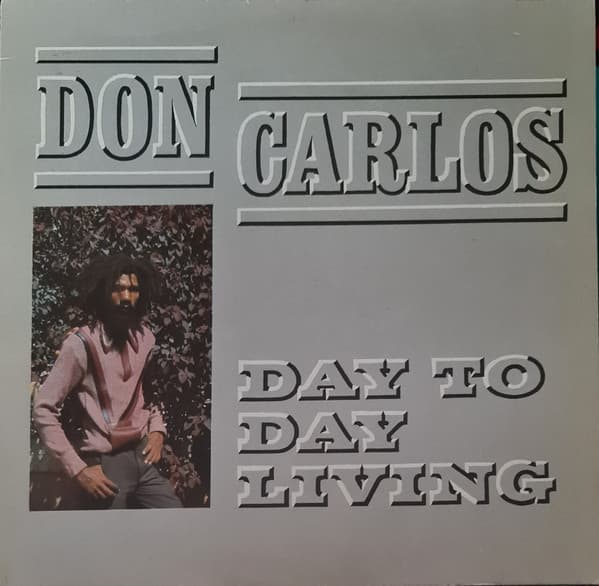
Who: Johnny Osbourne, Barrington Levy, Sugar Minott, Michael Palmer, Don Carlos, Yellowman and the Roots Radics. Labels and outlets: Volcano, Thompson Sound, Power House and Greensleeves.
What: spacious riddims, strong bass, vocal personality and version culture. Roots lyrics, lovers' songs and deejay boasts coexist.
Follow production credits and backing bands, rather than assigning every release on a reggae label to this era.
The leading records
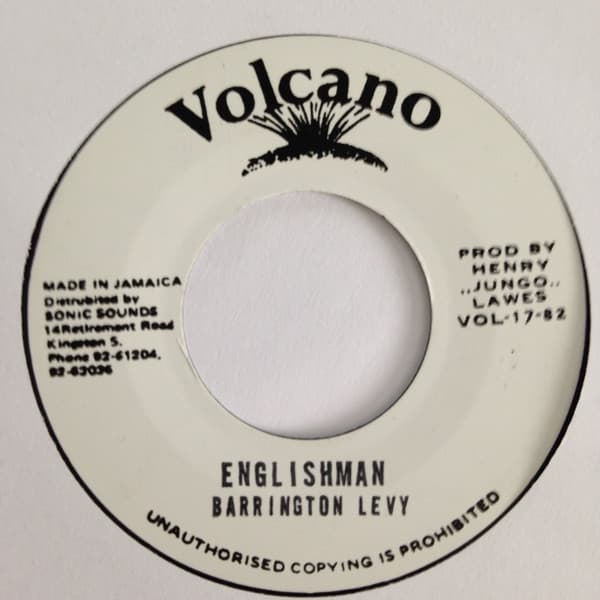
Barrington Levy
Englishman
1979
A young singer and the Junjo production world coming sharply into focus.
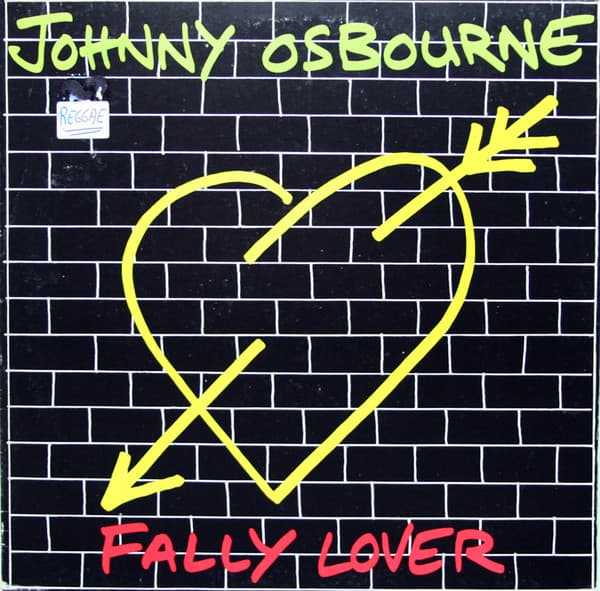
Johnny Osbourne
Fally Lover
Greensleeves Records · 1980
Osbourne's phrasing rides the rhythm without filling every gap.
Read more →
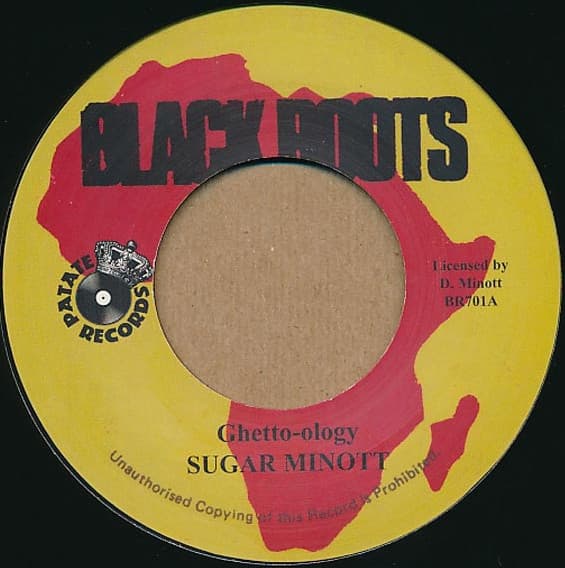
Sugar Minott
Ghetto-ology
1979
A roots-to-dancehall crossing with the neighbourhood still in the lyrics.
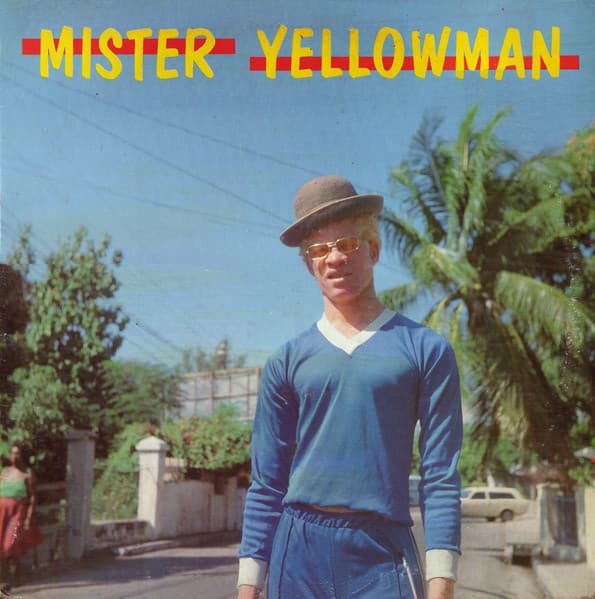
Yellowman
Mister Yellowman
1982
The deejay moves to the front of the conversation.
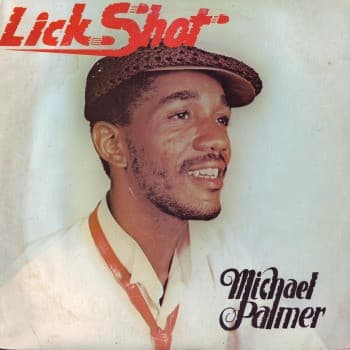
Michael Palmer
Lick Shot
Power House · 1984
A late analogue-era dancehall entrance with a clear sound-system pulse.
Read more →
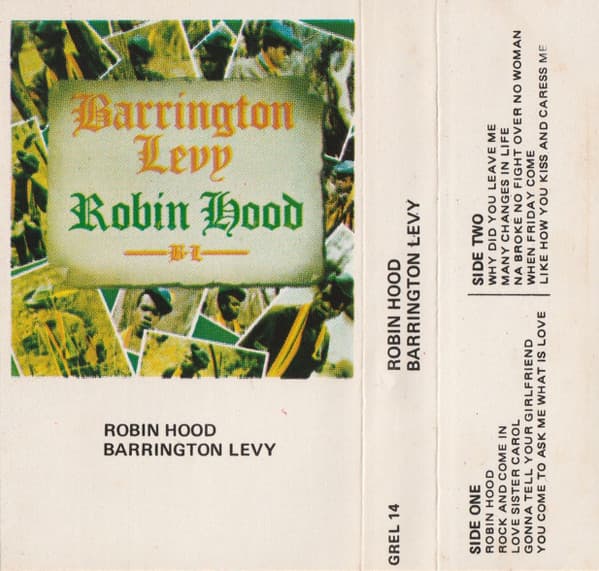
Barrington Levy
Robin Hood
1980
Youthful voice over Roots Radics riddims.

Johnny Osbourne
Truths & Rights
1980
A rub-a-dub standard, versioned endlessly.

Michael Prophet
Serious Reasoning
1980
Henry Lawes production at its sharpest.
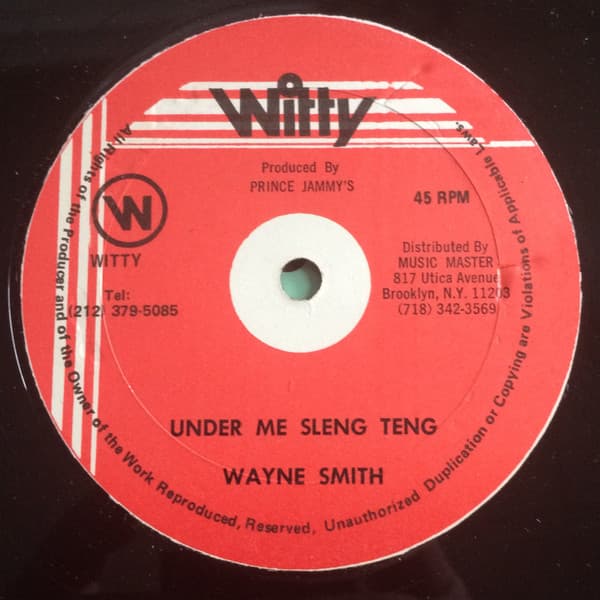
Wayne Smith
Under Me Sleng Teng
Witty · 1985
The digital riddim that ended the era it grew from.
Read more →

Eek-A-Mouse
Wa-Do-Dem
1981
The singjay style as its own instrument.
Oddballs
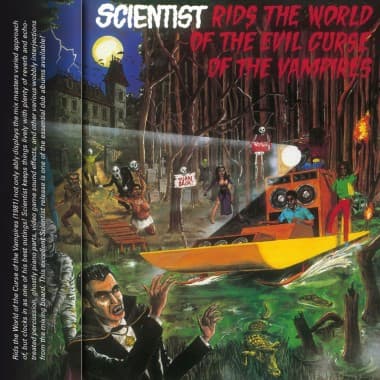
Keep digging
- Follow a riddim from vocal to dub
- More Johnny Osbourne and Sugar Minott
- The deejay side: Yellowman and beyond
- What changed when dancehall went digital?