Lagos Afrobeat
Twenty-minute grooves, one chord, horns stacked like bricks, and a drummer rewriting what time means.
What you're really asking
Not a style you drop into a funk set for flavour — a working method from a specific city under a specific government. One chord held for fifteen minutes, horns arranged in blocks, a drummer playing four independent limbs, and lyrics in pidgin aimed at people with guns.
The records are long because the band played them long, in a Lagos club, most nights of the week.
Where it sits
Lagos, late 1960s. Fela Ransome-Kuti came back from London and then a 1969 American trip with a new word for what his band was doing, and Sierra Leonean bandleader Geraldo Pino's James Brown–styled Lagos residencies had already shown the city what hard funk felt like.
Highlife was the base layer; Orlando Julius had been welding it to American soul since 1966. Through the 1970s the records came off Lagos studio floors — Decca's 16-track at Abule-Oja, EMI's Apapa room, Phonogram at Ikeja, and ARC in Ikeja, the studio Ginger Baker helped put up.
Labels: EMI Nigeria, Decca's Afrodisia imprint, Coconut, Soundworkshop. Then February 1977: a thousand soldiers burned Kalakuta, Fela's compound.
By 1979 Tony Allen had left Africa 70, taking many of the band with him.
The scene
Who: Fela and Africa 70 at the Afrika Shrine; Tony Allen behind them, then in front of them on his own records; Orlando Julius and the Modern Aces; the Lijadu twins Taiwo and Kehinde with producer Biddy Wright; Monomono's Joni Haastrup; arrangers and session horn players moving between all of it.
What: one vamp, call-and-response vocals, tenor and baritone riffing in unison, congas and shekere under a kit pattern that never resolves where you expect. Rules: no fade-outs, no verse-chorus, side-long tracks, lyrics in pidgin so everyone understands.
How a record gets in: it was cut in Lagos between roughly 1966 and 1980, it holds the groove past ten minutes, and somebody in the room could have walked to the Shrine afterwards.
The leading records
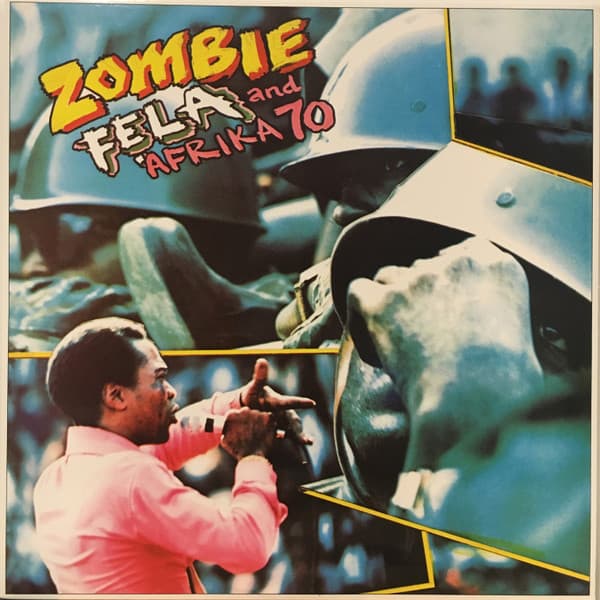
Fela Kuti & Africa 70
Zombie
1976
The song that compared soldiers to the walking dead — and got Kalakuta burned to the ground four months later.
Tony Allen Hits With The Africa 70
Jealousy
1975
His first solo album, produced by Fela and originally out on the private Soundworkshop imprint — two sides, the drums finally mixed up front.
Orlando Julius & His Modern Aces
Super Afro Soul
1966
Highlife horns meeting American soul three years before anyone said "afrobeat" out loud.
The Lijadu Sisters
Danger
1976
Afrodisia, cat. DWAPS 2002 — Biddy Wright played most of the instruments himself, and Nas later lifted "Life's Gone Down Low".
Fela Ransome-Kuti & Africa 70
Gentleman
1973
The suit-and-tie satire, with Allen's hi-hat doing most of the arguing before the vocal arrives.
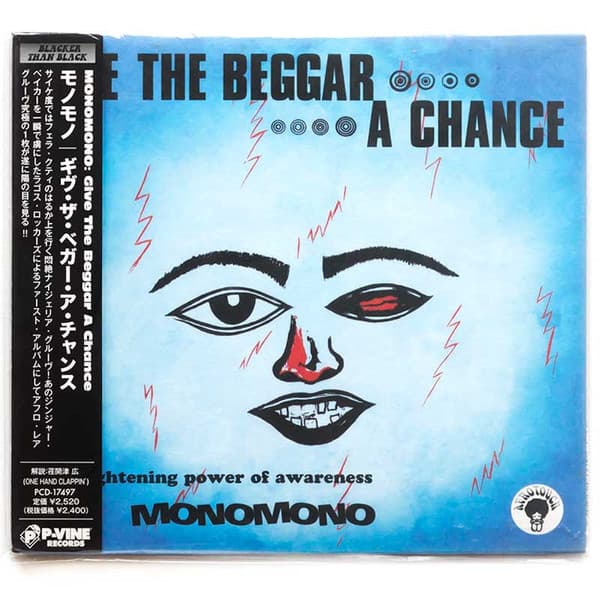
Monomono
Give The Beggar A Chance
1972
Joni Haastrup's Hammond pulls the Lagos groove toward Afro-rock and Yoruba percussion at the same time.
Oddballs
Fela Anikulapo Kuti & Roy Ayers
Music Of Many Colours
1980
A Harlem vibraphone player sitting inside Africa 70's engine room after touring Nigeria with Fela.
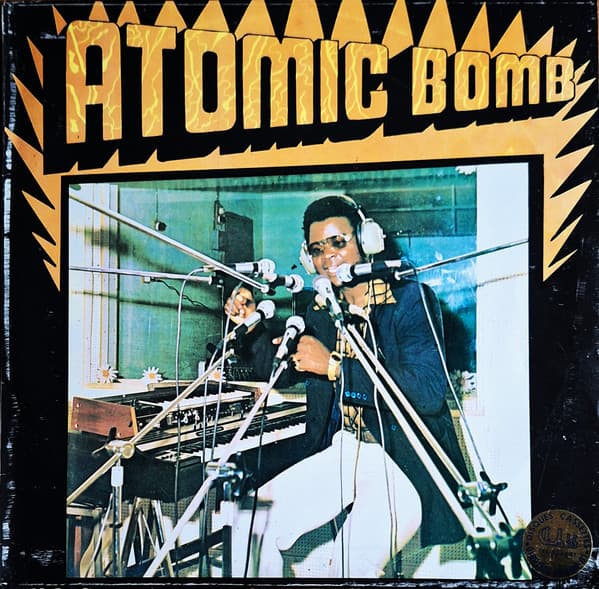
William Onyeabor
Atomic Bomb
1978
Not Lagos — Enugu, self-released, synthesizers instead of a horn section. The same politics through completely different hardware.
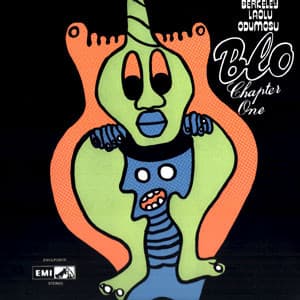
BLO
Chapter One
1973
Three players out of Ginger Baker's Salt going full fuzz-guitar power trio. Afrobeat's rhythm section on a rock record.
Keep digging
- Which Nigerian pressings are worth paying for?
- What did Tony Allen do after 1979?
- Where does Afro-funk end and afrobeat begin?