London Grime
140bpm, eight-bar wars, pirate radio static — East London teenagers building a genre on cracked software.
What you're really asking
You're asking about a sound, but grime started as a delivery system: pirate FM, dubplates, white labels passed hand to hand in Bow and Tottenham. The music is garage with the swing beaten out of it — square synths, 140bpm, gaps left wide open for an MC.
Every record here is really a document of a radio set or a clash.
Where it sits
East London, 2001–2005. UK garage hardened as its champagne end pushed out the kids; Pay As U Go and Rinse FM became the laboratory.
Youngstar of Musical Mob cut "Pulse X" to 12" in March 2002, widely called the first grime beat and described as "year zero" for the genre. Wiley's Wiley Kat label put out the Eskimo series the same year.
XL signed Dizzee Rascal and Wiley; Boy In Da Corner took the 2003 Mercury Prize. Jammer's Lord of the Mics DVDs from 2004 made clashing a format you could sell.
Tottenham's Boy Better Know, run by Skepta and JME from 2005, proved an MC could press, distribute and sell his own 12"s. Media bans and Form 696 strangled the live scene; the 2014–16 revival put Skepta's Konnichiwa on the Mercury again.
The scene
Who: Wiley, Dizzee, Riko Dan, D Double E, Kano, Ruff Sqwad in Bow; Skepta, JME, Jammer in Tottenham; Rinse FM, Déjà Vu, Rhythm Division record shop on Roman Road. What: 140bpm, eight-bar and sixteen-bar structures, square-wave bass, no soul samples, drums programmed in FruityLoops or on a PlayStation.
An astonishing number of grime's earliest tracks were built on Music 2000 for the PlayStation One, including Skepta's first release in 2002. How a record got in: a producer cut a dubplate, a DJ hammered it on pirate radio for a month, then 300 white labels went to Rhythm Division.
No press, no distributor, no second pressing.
The leading records
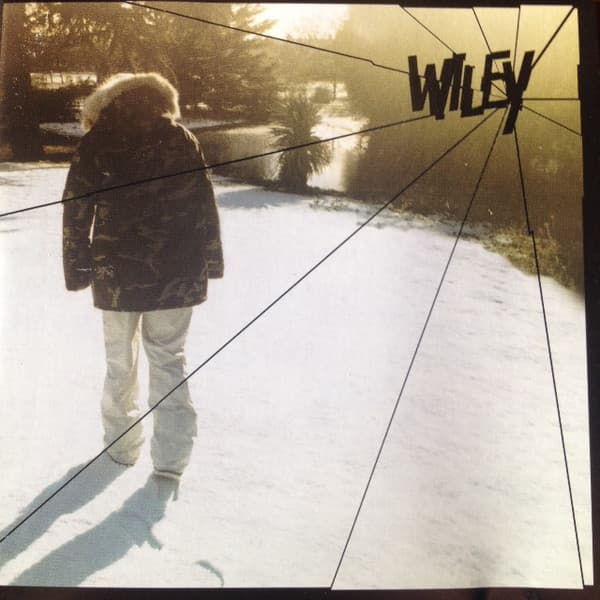
Wiley
Treddin' On Thin Ice
2004
The eskibeat blueprint on a major-indie budget — lead single "Wot Do U Call It?" is a vocal of his own instrumental "Igloo", arguing about what to name the genre while inventing it.
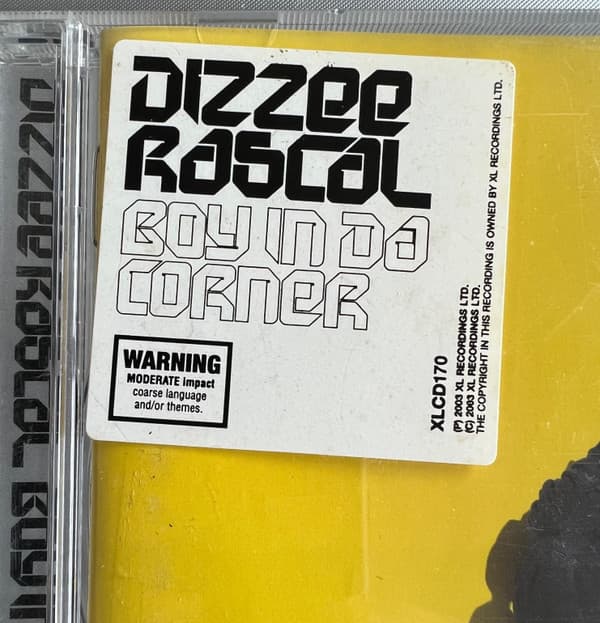
Dizzee Rascal
Boy In Da Corner
2003
Self-produced at 17, Mercury winner, the record that made the outside world hear grime as songwriting rather than radio noise.

Skepta
Konnichiwa
2016
Released on his own Boy Better Know thirteen years after Boy In Da Corner, and took the Mercury too — proof the independent route closed the loop.

JME
Integrity>
2015
Self-released, self-distributed, no label deal and no press cycle — the title is the business model, and it still charted.
Musical Mob
Pulse X
2002
One 16-bar loop, a stripped kick-and-snare half, and a "Musical Mob royal pon the map" drop every 32 bars — White Peach reissued it as an EP in 2015.
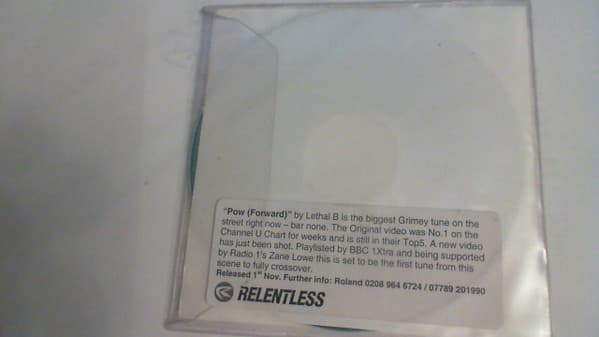
Lethal Bizzle
Pow! (Forward)
2004
Ten MCs over a Dexplicit beat, cut at Commander B's studio in Walthamstow in February 2004 — got pulled from club play and charted anyway.
