London Post-Punk
Punk's wreckage rebuilt with dub space, art-school nerve and cheap studios — London, 1977 to 1982.
What you're really asking
You're not asking about a genre so much as what happened after 1977 ran out of road. Same city, same small rooms, but the guitars stopped chugging and started scraping, the bass moved to the front, and dub's empty space got treated as an instrument.
London's version is distinct from Manchester's grey or Leeds's agit-funk: it's shaped by Ladbrode Grove sound systems, Brixton squats, art schools, and a shop in Kensington Park Road that decided to become a label.
Where it sits
The Roxy in Covent Garden closed its first run in 1977; Don Letts had been filling the gaps between punk bands with reggae 45s, and that stuck. Rough Trade opened as a shop in Ladbroke Grove in 1976 and started pressing records in 1978, building a distribution network (later the Cartel) that meant a band could record cheaply and sell nationally without a major.
Virgin gave John Lydon rope for PiL in 1978. Polydor signed the Banshees in June 1978 after a fan's graffiti campaign sprayed "Sign the Banshees: do it now" across major label walls.
In Brixton, This Heat converted the cold store of a former meat pie factory on Acre Lane into their own studio as part of the Acme artists complex. Mute (1978), 4AD (1980), Industrial Records and Y Records followed.
By 1982 the threads split: goth, the Batcave, industrial funk, and the first wave of UK indie.
The scene
Who: Siouxsie and Severin, Wire's four art students, Lydon/Wobble/Levene, Charles Hayward and Charles Bullen in Brixton, Jaz Coleman and Youth in Notting Hill, the Raincoats and Slits in the Rough Trade orbit, Geoff Travis behind the counter, John Peel on the radio at 10pm.
What: bass carries the tune, guitar is treated as noise or texture, drums get dub reverb or are left bone dry, songs stop before they resolve. How a record gets in: it was made in London between roughly 1977 and 1982, it used the studio as a tool rather than a document, and it sounds like it couldn't have existed without punk and couldn't stand punk either.
The leading records
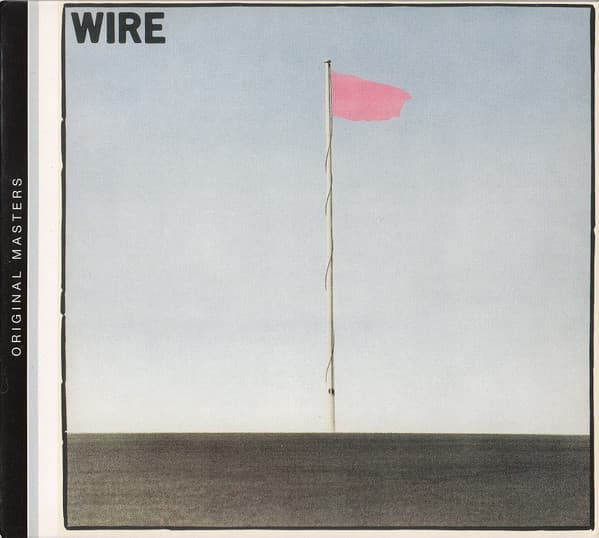
Wire
Pink Flag
1977
Twenty-one tracks, several under a minute — punk edited down to its skeleton and filed as art.

Siouxsie And The Banshees
The Scream
1978
Cut in one week at RAK and mixed in three; flat, metallic guitar and tribal toms that a decade of goth copied.
Public Image Ltd
Metal Box
1979
Three 45rpm 12"s in a film canister — Wobble's bass and Levene's steel guitar, mastered loud and spaced like dub.
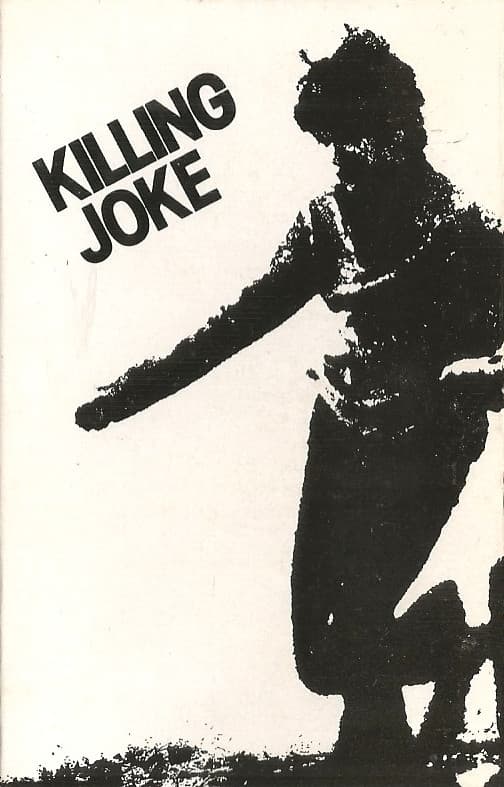
Killing Joke
Killing Joke
1980
Notting Hill's answer to disco: metallic riffs over tom-heavy, almost danceable drums, Coleman's keyboards sawing underneath.
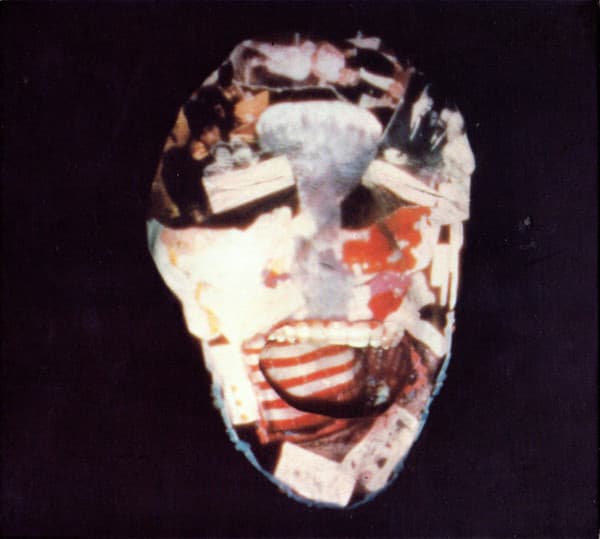
This Heat
Deceit
1981
Built at their own Cold Storage from improvisations and spliced live recordings — nuclear-panic lyrics, tape edits, Brixton's strangest record.
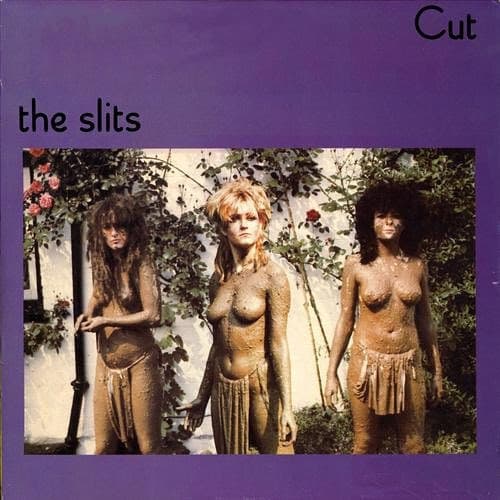
The Slits
Cut
1979
Dennis Bovell's reggae engineering applied to a punk band who'd stopped playing punk; the gaps do the work.
Oddballs
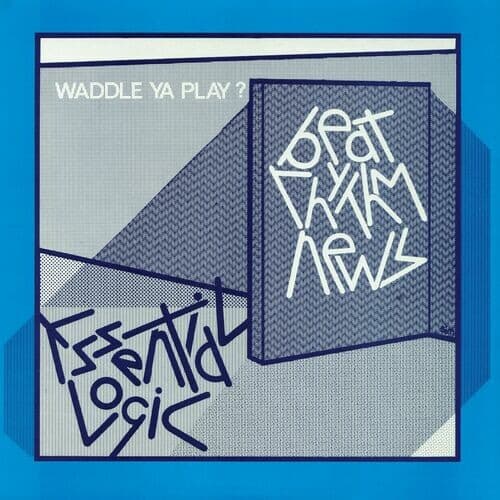
Essential Logic
Beat Rhythm News (Waddle Ya Play?)
1979
Lora Logic took her sax out of X-Ray Spex and wrote around it — honking horn lines where the guitar solo should be.
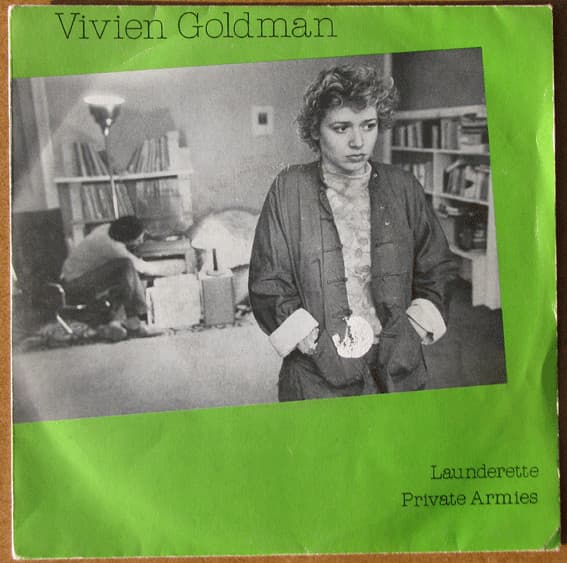
Vivien Goldman
Launderette
1981
A music journalist who'd written about the scene made a record in it, with Levene and Wobble playing — dub-pop about doing the washing.
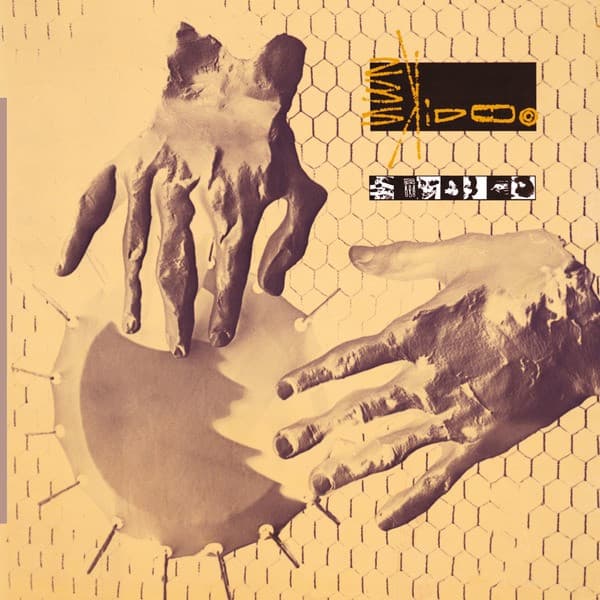
23 Skidoo
Seven Songs
1982
Funk bass, Burundi drumming and tape cut-ups on Fetish; later sampled heavily by UK hip-hop and big beat producers.
Keep digging
- How do I date an original Rough Trade pressing?
- What did Dennis Bovell produce besides Cut?
- Where does the Batcave fit after 1982?