London UK Garage & 2-Step
The kick skips a step. The voice keeps the room together.
What you're really asking
House rhythms become quicker, vocals get cut into new shapes, and the drums learn to leave unexpected gaps. UK garage grew through club nights, pirate radio, shops and white labels.
Its soulful songs and bass-heavy tracks share a dancefloor without needing to sound alike.
Where it sits
During the 1990s, British DJs and producers reshaped imported US garage and house into local sounds. London shops and pirate stations helped records move before the wider industry noticed.
Locked On emerged around Pure Groove and became a major outlet for the developing scene. Four-to-the-floor garage and 2-step coexisted; MJ Cole brought musicianship and detailed production into the latter.
The Streets later carried garage rhythm and everyday storytelling into an album setting. Grime and dubstep grew through overlapping infrastructure, with their own identities.
The scene
Who: MJ Cole, Dem 2, Zed Bias, Artful Dodger, the DJs and radio crews, with Todd Edwards as an important American connection. What: swing, chopped voices, bass pressure and the white-label economy.
Follow original releases and local circulation. Revival labels provide onward routes; their whole catalogues are not evidence of the original London scene.
The leading records
MJ Cole
Sincere
1998
The original single; Bas’ export contains a later edition.
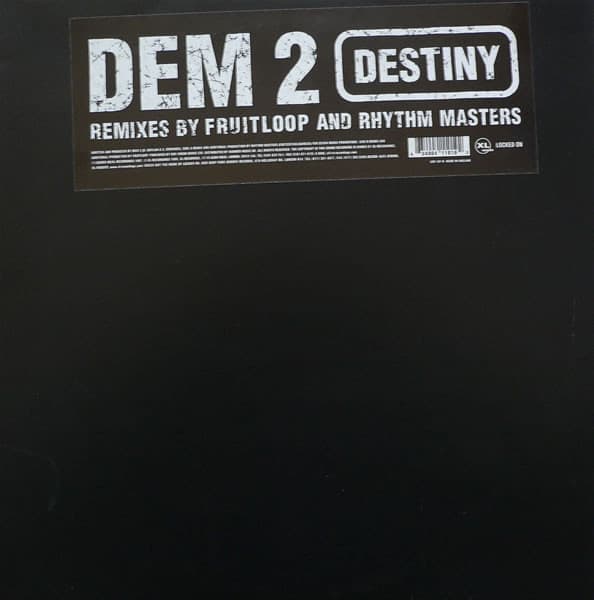
Dem 2
Destiny
1997
A clear entrance into the rhythmic gaps of 2-step.
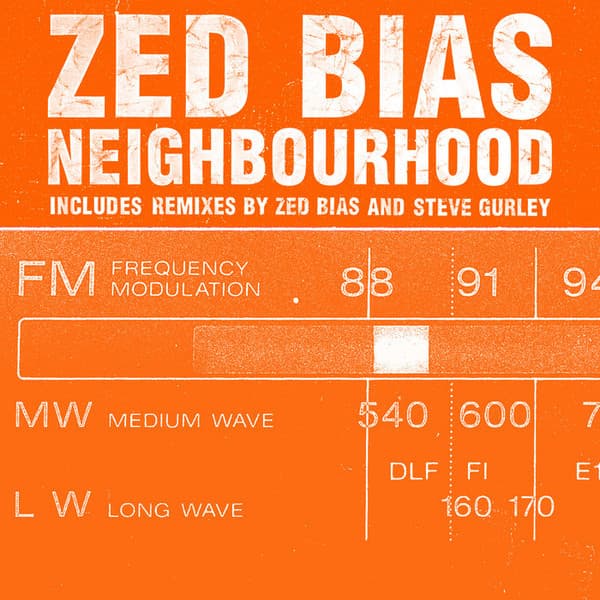
Zed Bias
Neighbourhood
1999
Bass, voice and street-level atmosphere.

The Streets
Original Pirate Material
679 · 2002
Garage becomes a setting for ordinary lives.
Read more →
Artful Dodger & Romina Johnson
Movin’ Too Fast
1998
A melodic route through the club-to-pop crossover.

Todd Edwards
Saved My Life
1995
The chopped-vocal method the London scene ran with.

Sunship
Try Me Out
2000
Soulful two-step with a rolling sub.
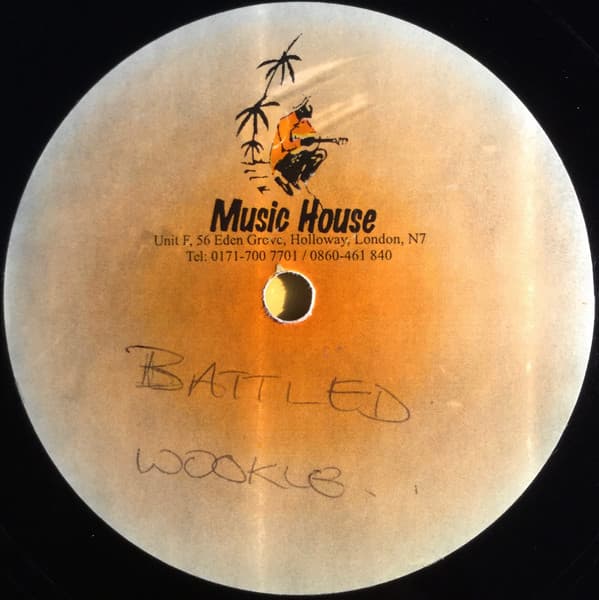
Wookie
Battle
2000
Crossover songcraft without losing the swing.
Groove Chronicles
Stone Cold
1998
Darker, drum-led template for what dubstep would take.

Double 99
RIP Groove
1997
Speed-garage energy and a bassline that defined a year.
Shola Ama
Imagine (Architechs Remix)
1998
A pop vocal rebuilt for the garage dancefloor.
El-B
Buck & Bury
2000
The hinge between two-step and the coming bass sound.
Oddballs
Keep digging
- The soulful vocal side
- Garage before the charts
- Follow the darker records towards dubstep
- The contemporary garage revival