Louisiana Sludge
Black Sabbath slowed below the speed limit, soaked in Gulf humidity, feedback and cheap bourbon — five bands, one phone book.
What you're really asking
You're asking about a sound, but it's really a street map. A dozen musicians in New Orleans and the parishes around it swapped instruments across Eyehategod, Crowbar, Down, Soilent Green and Acid Bath until the bands became one organism with different names on the sleeves.
The common language: Sabbath riffs dragged under tempo, feedback left running, a vocal that's closer to a man shouting at the weather than singing.
Where it sits
New Orleans, roughly 1988 to 1998. Eyehategod form at the end of the eighties; Crowbar take that name in mid-1991 after earlier incarnations.
Pepper Keenan formed Down in 1991 with Phil Anselmo of Pantera, Jimmy Bower of Eyehategod, and Kirk Windstein and Todd Strange of Crowbar — the scene literally pooling itself into one band.
Pantera's national platform pulled the whole circle up with it: in 1994 the Pantera video for "I'm Broken" showed Anselmo wearing a Crowbar/Eyehategod T-shirt. Labels were a mix of majors and indies — Century Media for Eyehategod, Pavement Music for Crowbar, who shifted 100,000 copies of the 1993 self-titled, Rotten for Acid Bath out of Houma, Elektra/EastWest for Down.
Within a decade the template had travelled: every slow, filthy band from Savannah to Scandinavia was working from these records.
The scene
Who: Mike IX Williams, Jimmy Bower, Kirk Windstein, Pepper Keenan, Phil Anselmo, Dax Riggs, Audie Pitre. Rooms: the Franklin Avenue VFW Hall, Ultrasonic Studios uptown, Side One in Metairie — Eyehategod cut Dopesick at Side One Studios, New Orleans, and Acid Bath cut Kite String at Side One, Metairie.
What: downtuned guitars, no double-kick heroics, feedback treated as a part rather than an accident, Southern rock melody allowed in the back door. How a record gets in: the riff must be slower than you expect, the recording must sound like the room it was made in, and someone on the credits plays in at least two other bands on this list.
The leading records
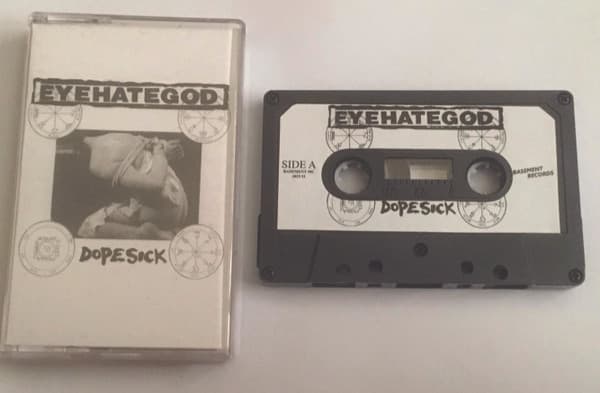
Eyehategod
Dopesick
1996
The opening smashed glass is Mike Williams slashing his hand open in the studio; the take stayed on the record.

Crowbar
Crowbar
1993
Anselmo produced it for childhood friend Kirk Windstein, and the videos ended up on Beavis and Butt-Head — sludge on basic cable.
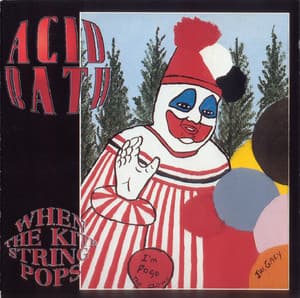
Acid Bath
When The Kite String Pops
1994
The sleeve is a John Wayne Gacy self-portrait painted in prison; inside, Dax Riggs sings melody where the genre shouts.
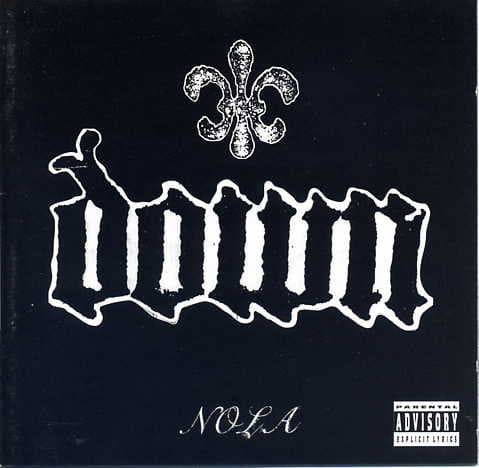
Down
NOLA
1995
Cut at Ultrasonic in New Orleans and out on Elektra, it entered the Billboard 200 at 55 — the scene's side project on a major.
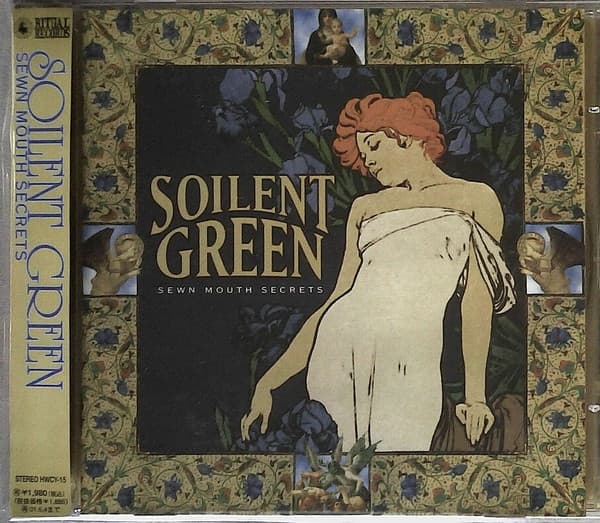
Soilent Green
Sewn Mouth Secrets
1998
Grindcore speed spliced to swamp blues riffing; Brian Patton played in this and Eyehategod at once.

Thou
Heathen
2014
Baton Rouge, two decades later: the same tempo, but with harmony vocals and acoustic passages threaded through.
Oddballs

Exhorder
Slaughter in the Vatican
1990
Fast where the scene is slow, but this is the New Orleans groove-riff blueprint everyone later dragged to half speed.
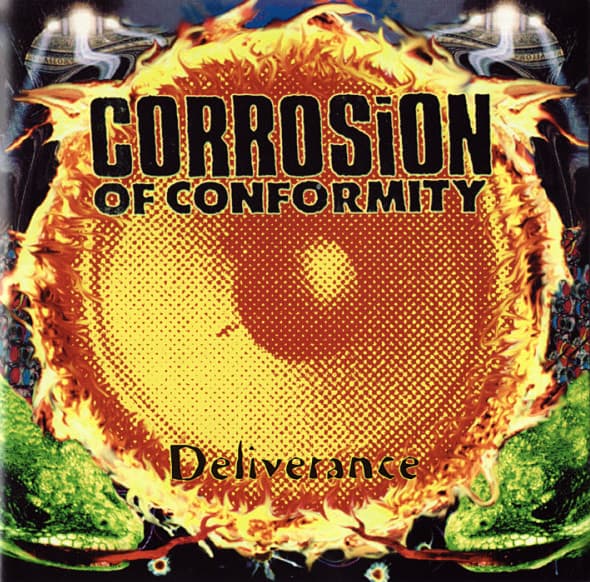
Corrosion of Conformity
Deliverance
1994
A Raleigh band, but Keenan took over lead vocals on this one while living in New Orleans — the Southern-rock half of the equation.
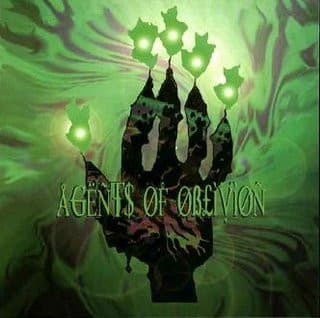
Agents of Oblivion
Agents of Oblivion
2000
After Acid Bath's last show in Shreveport in 1997, Dax Riggs turned down the gain and kept the dread.
Keep digging
- Which Eyehategod 7-inches are worth chasing?
- How did Savannah sludge differ from NOLA?
- What did Katrina do to these bands?