Madchester
Guitar bands playing to a dancefloor clock: loose drums, wah pedals, 808s and a city on E.
What you're really asking
Not a genre so much as a two-year collision: Manchester indie bands discovering that drummers could swing like a house record. The common thread isn't the guitars, it's the rhythm section — everything is built so a DJ can mix it.
Ask what Madchester sounds like and the honest answer is a breakbeat under a Byrds chord.
Where it sits
Factory Records opened the Haçienda (FAC 51) on Whitworth Street West in May 1982, bankrolled largely by New Order, and lost money for years. Acid house filled it from 1988: Mike Pickering and Graeme Park's Friday night turned a failing live venue into a rave.
The city's guitar bands were in the room. The Stone Roses' debut landed on Silvertone in May 1989, "Fools Gold" followed that November, and the same month Happy Mondays put out the Madchester Rave On EP on Factory — the press had its label.
1990 was the peak year: Spike Island in Widnes that May, Pills 'n' Thrills in November, Inspiral Carpets and The Charlatans in the charts. Factory went under in 1992; the Haçienda closed in 1997 and was demolished for flats.
The scene
Who: Tony Wilson, Rob Gretton and Nathan McGough on the business side; Pickering and Park on the decks; Eastern Bloc records on Oldham Street, part-owned by 808 State's Martin Price, as the counter where it all got traded.
What: live drums playing loops, bass carrying the tune, organ or wah guitar on top, vocals half-spoken. How a record gets in: the drummer has to swing it.
Inspiral Carpets cut Life at Out Of The Blue in September 1989 and mixed it at Square One — the same Bury room where 808 State mixed Ninety in October 1989. Rock band and acid house crew, same desk, same month.
The leading records
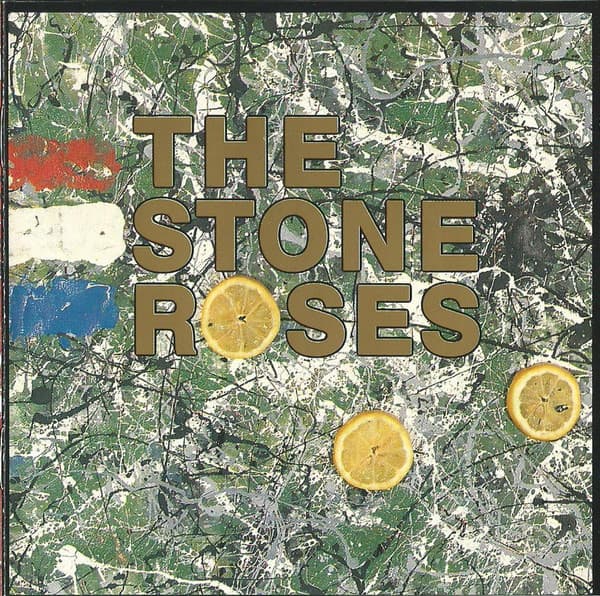
The Stone Roses
The Stone Roses
1989
John Leckie production, Reni playing hip-hop behind jangle — the template every other band in town reverse-engineered.
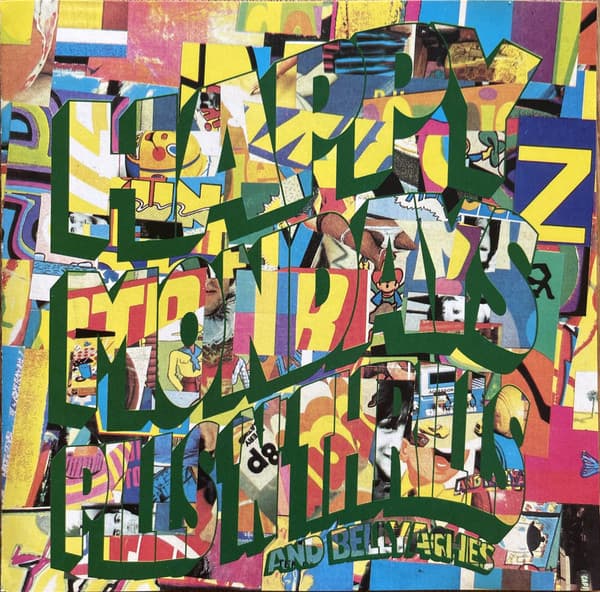
Happy Mondays
Pills 'n' Thrills And Bellyaches
1990
Paul Oakenfold and Steve Osborne cut it in Barbados and mixed the band like a dance record; Factory's last big seller.
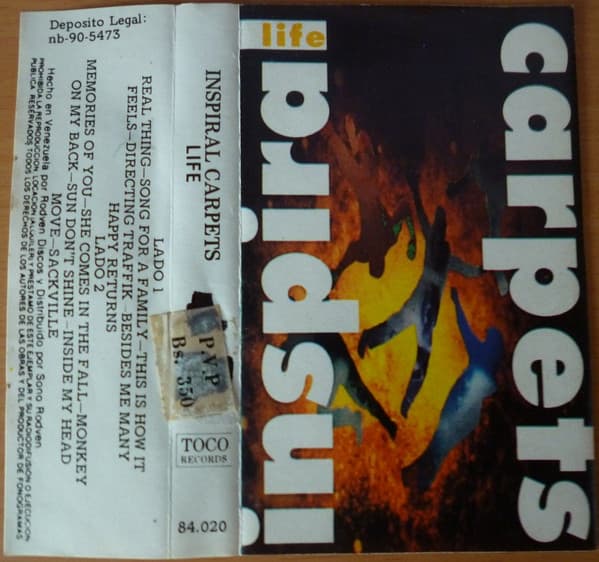
Inspiral Carpets
Life
1990
Out on Cow through Mute, April 1990 — Clint Boon's Farfisa organ gave the scene its garage-psych edge instead of a funk one.
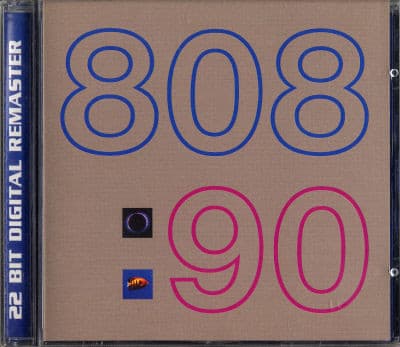
808 State
Ninety
1989
Their ZTT debut, 4 December 1989, carrying "Pacific State" to number 10 that November — proof the city's dance side didn't need a band.
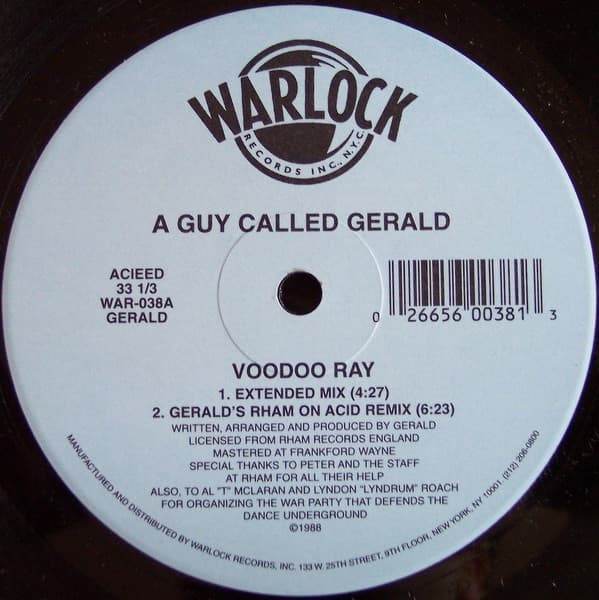
A Guy Called Gerald
Voodoo Ray
Warlock Records · 1988
Made in a bedroom by an ex-808 State member; the record that put a Manchester accent on acid house before the guitars arrived.
Read more →
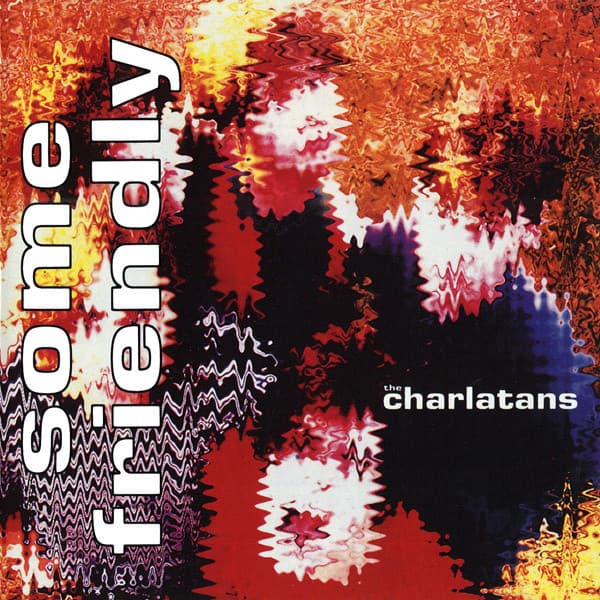
The Charlatans
Some Friendly
1990
Hammond-led and not actually from Manchester (Northwich way) — went to number one anyway, which tells you how wide the net got thrown.
Oddballs
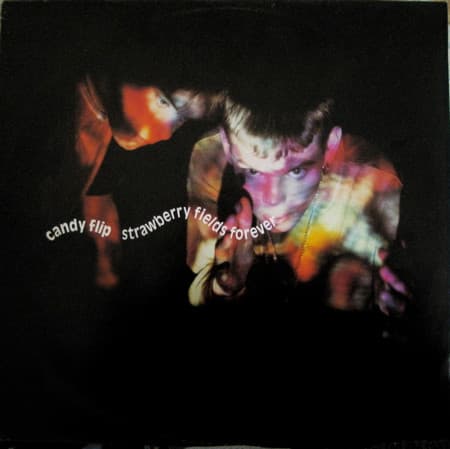
Candy Flip
Strawberry Fields Forever
1990
A Stoke duo baggy-fying the Beatles into the UK top five; the moment the rhythm became a costume anyone could wear.
MC Tunes Versus 808 State
The North At Its Heights
1990
A collaboration album with 808 State producing — Manchester rapping over its own techno, years before anyone called that a crossover.
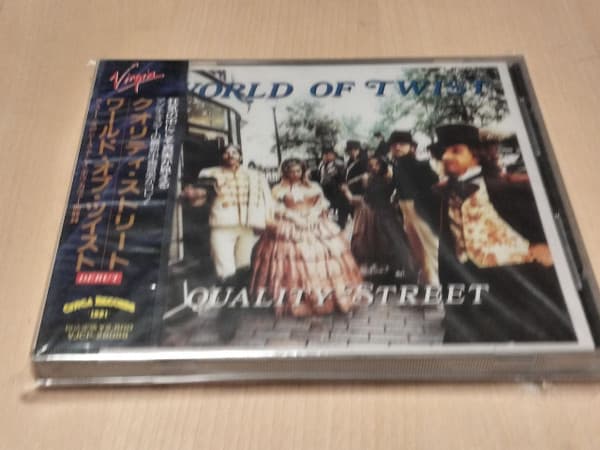
World Of Twist
Quality Street
1991
Glam, Moog and Mellotron instead of wah and flares; arrived as the scene was collapsing and went its own way.