Memphis Hip-Hop
Drum machines, horror-film dread and dubbed cassettes — the South's darkest sound, and trap's actual blueprint.
What you're really asking
You're asking about a tape scene, not a record scene. Memphis built its sound on hand-dubbed cassettes sold at clubs and car-stereo shops, which is why so much of the canon has no original vinyl at all.
The sound came from scarcity: a drum machine, a four-track, a slowed horror sample, and a voice pushed into the red.
Where it sits
Late-'80s South Memphis. DJ Spanish Fly is treated as the pioneer, and his residencies at clubs No Name and Expo marked the shift from disco to something harder and more underground.
He sold mixtapes to his own crowd — he recalls pressing around 100 of each — and bootlegs of them spread across the city. He also found The Showboys' "Drag Rap," lifting its 808 section repeatedly and setting off a sampling craze that spread from Memphis to New Orleans bounce.
Camps formed by neighborhood: DJ Squeeky in Orange Mound, with Kingpin Skinny Pimp, 8Ball & MJG and Al Kapone passing through; DJ Paul in North Memphis; Tommy Wright III and Ten Wanted Men in Whitehaven.
Wright founded Street Smart Records and cut Memphis Massacre in 1992. Three 6 Mafia took it national by 2000.
Crunk, trap and phonk all trace back here.
The scene
Who: Spanish Fly, DJ Squeeky, DJ Paul and Juicy J, Tommy Wright III, Skinny Pimp, Playa Fly, Gangsta Boo, Al Kapone, La Chat, 8Ball & MJG. Later Hypnotize Minds, Paper Route Empire.
What: 808 kick and cowbell, pitched-down soul and horror-score loops, chanted hooks, tape saturation doing the EQ work. Where the coasts leaned on soul samples for boom-bap, Memphis leaned on the drum machine.
How it works: the record had to be local and it had to knock in a car. Tapes were made in the Spanish Fly mould and often sold through car hi-fi accessory stores.
Distribution was the quality control.
The leading records
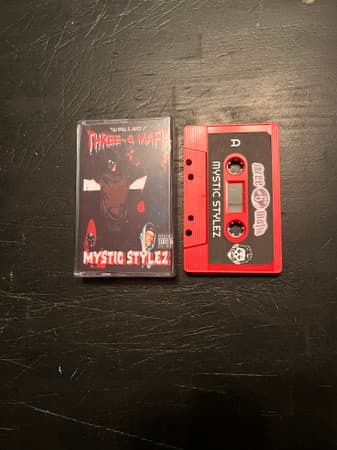
Three 6 Mafia
Mystic Stylez
1995
Six voices, one Triple Six Killaz tape aesthetic blown up to album length on Prophet — the record every phonk producer still strips for parts.
8Ball & MJG
Comin' Out Hard
1993
Orange Mound duo cut it for Tony Draper's Suave House. Memphis tapes sampled it back — Tommy Wright III's "Time To Rob" among them.
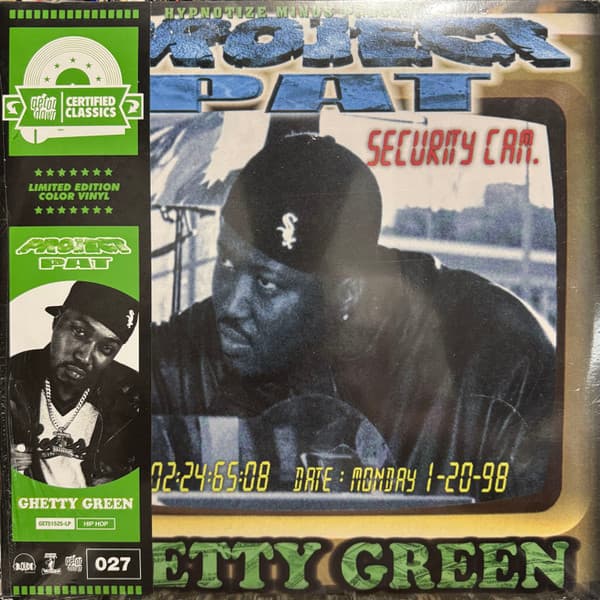
Project Pat
Ghetty Green
1999
Hypnotize Minds/Loud, cut at Hypnotize Minds and Cotton Row studios with DJ Paul and Juicy J producing — Pat's drawl is the hinge between Memphis tapes and radio rap.
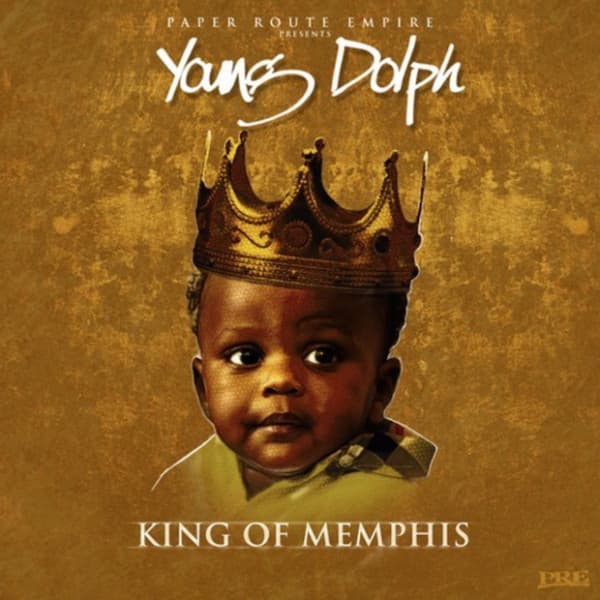
Young Dolph
King Of Memphis
2016
Self-released on his own Paper Route Empire. No major, no guests of note, and the title was a claim he spent the rest of his life defending.