Memphis Soul
Horn stabs, dragging backbeat, one take: the sound of a house band cutting hits in a converted cinema.
What you're really asking
You're asking about a house band, not a genre. Memphis Soul is what happens when the same four or five players cut everybody's record in the same room, so the room becomes the style.
Everything sits behind the beat, the horns answer the voice instead of doubling it, and nobody overdubs what they can play live.
Where it sits
Satellite Records started in Memphis in 1957 under Jim Stewart, with his sister Estelle Axton mortgaging her house for the equipment. In 1960 they moved into the old Capitol Theatre on McLemore Avenue — the sloped cinema floor stayed, and so did the slurred, dark room sound.
Renamed Stax in 1961 after Atlantic picked up distribution, the label broke Carla Thomas, then Otis Redding, Sam & Dave, Eddie Floyd and the Bar-Kays. Carla Thomas's "Gee Whiz (Look at His Eyes)" (1960) and the 1967 Otis Redding duet "Tramp" bracket the label's hit run.
Across town, Willie Mitchell built the rival Hi Records sound at Royal Studios with Al Green and the Hodges brothers from 1969. Chips Moman's American Sound cut Dusty Springfield, Elvis and the Box Tops.
Stax folded in 1975; the studio was demolished in 1989 and rebuilt as a museum in 2003.
The scene
Who: Booker T. Jones, Steve Cropper, Donald "Duck" Dunn and Al Jackson Jr.
's; the Mar-Keys and Memphis Horns (Wayne Jackson, Andrew Love); writers Isaac Hayes and David Porter; the Bar-Kays as second house band — James Alexander, Jimmy King, Ronnie Caldwell, Phalon Jones, Carl Cunningham and Ben Cauley.
What: integrated bands, no written charts, arrangements worked out on the floor, Al Jackson's metronomic drag holding everything back. How a record gets in: cut live at 926 E.
McLemore or Royal, horns arranged in the room, mixed to a mono 45 and tested on the Satellite Record Shop customers out front.
The leading records
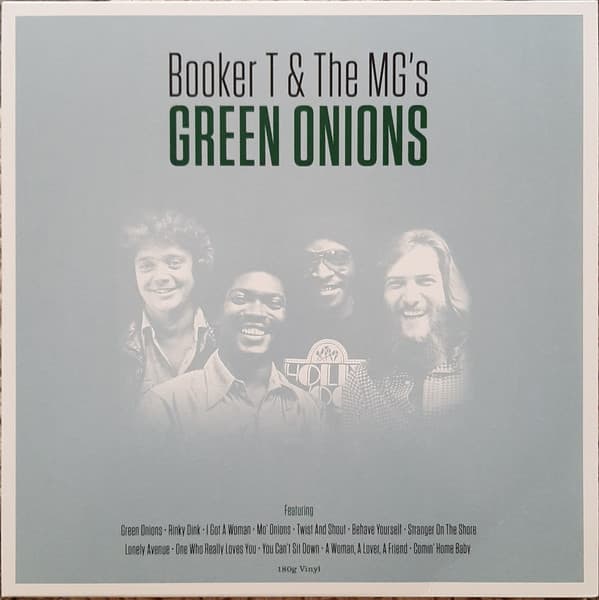
Booker T. & The M.G.'s
Green Onions
1962
The B-side filler organ jam that defined the label's rhythm section before the label knew it had one.
Carla Thomas
Comfort Me
1966
Stax 706, February 1966 — the stereo copies carry yellow labels against the mono blue; Stax's first star covering Bacharach and Goffin-King in her own accent.
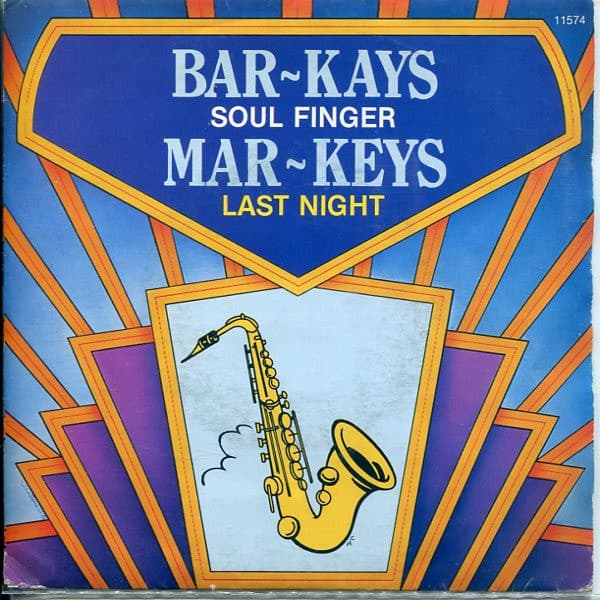
The Bar-Kays
Soul Finger
1967
The only LP by the original lineup — four of the six died in the December 1967 crash with Otis Redding.
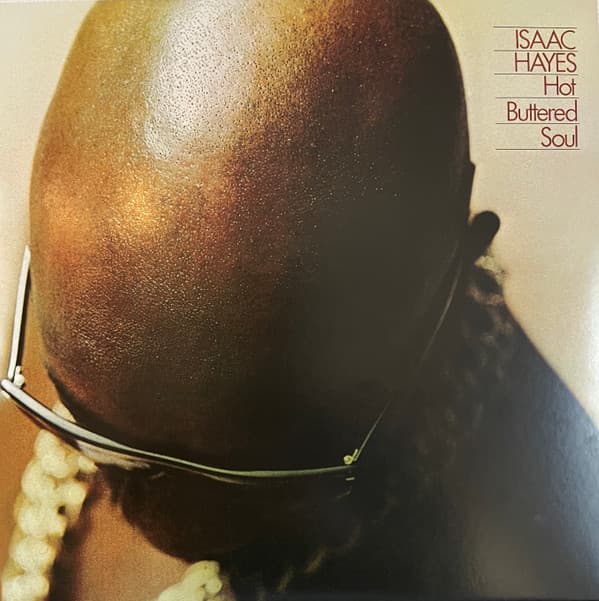
Isaac Hayes
Hot Buttered Soul
1969
Four tracks, an eighteen-minute "By the Time I Get to Phoenix" — the record that dragged Memphis out of the two-minute 45.
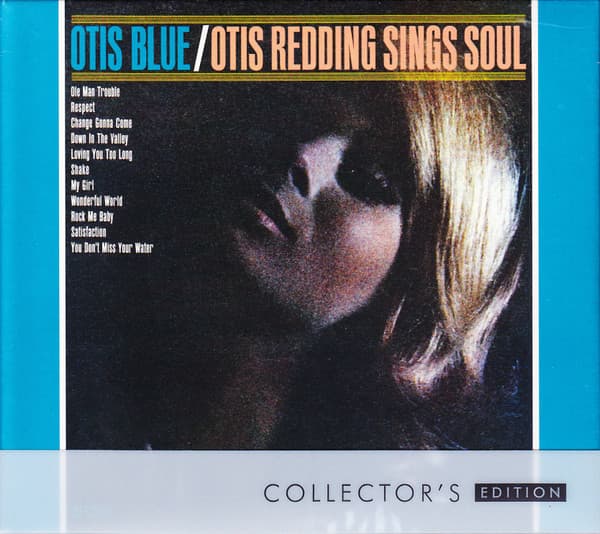
Otis Redding
Otis Blue / Otis Redding Sings Soul
1965
Cut in roughly 24 hours around a Saturday-night gig, with the M.G.'s and horns reading nothing.
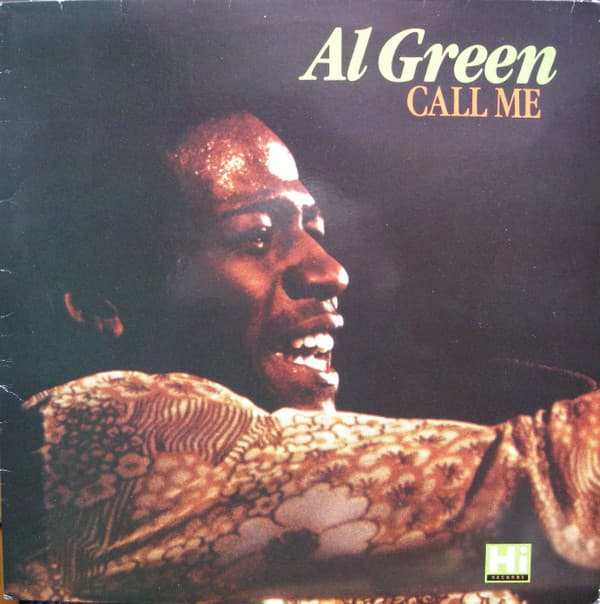
Al Green
Call Me
1973
Willie Mitchell's Royal counter-argument: Al Jackson Jr. on drums again, but strings, muted horns and a vocal kept a whisper from the mic.
Oddballs
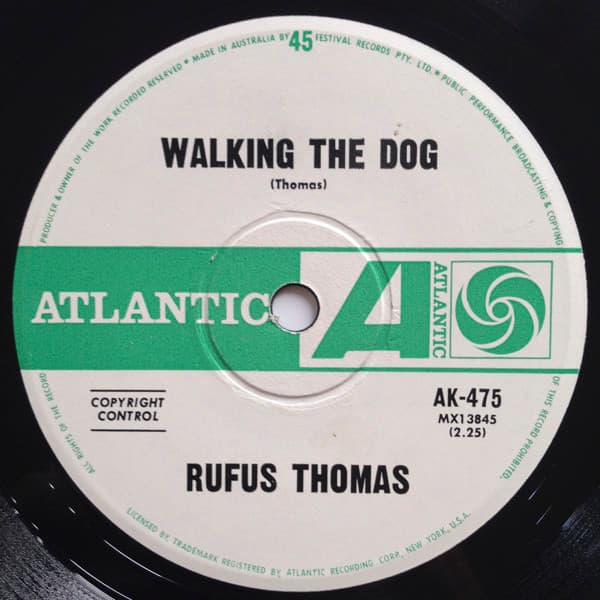
Rufus Thomas
Walking The Dog
1963
Carla's father, the WDIA DJ and ex-vaudeville MC, cutting novelty dance sides that bankrolled the serious ones.
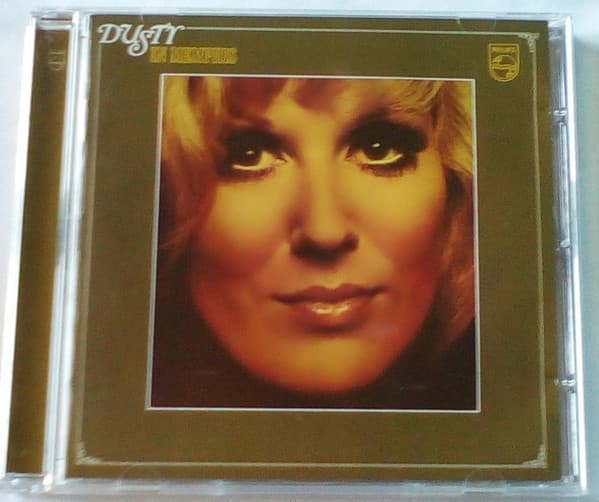
Dusty Springfield
Dusty In Memphis
1969
A white British pop singer at American Sound with the Memphis Boys — she reportedly cut her vocals in New York, too intimidated to sing in the room.
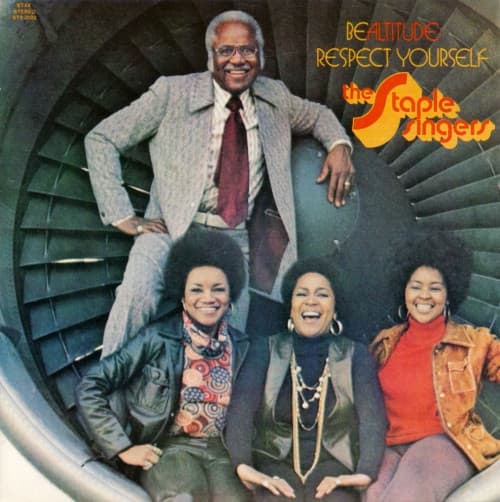
The Staple Singers
Be Altitude: Respect Yourself
1972
A Chicago gospel family recorded at Muscle Shoals and released on Stax — proof the Memphis sound travelled by producer, not postcode.
Keep digging
- How does Hi Records differ from Stax?
- Which Memphis 45s are still cheap?
- What did the Memphis Boys cut at American Sound?