Midwest Emo
Clean guitars in odd tunings, cracked voices, basement shows — the sound of Illinois suburbs at 2am.
What you're really asking
You're asking about a geography, not a genre. Take DC post-hardcore, drop it into college towns and flat suburbs between Chicago and Kansas City, remove the politics, and let the guitars untangle into two separate parts that never quite play the same thing.
The vocals stop being shouted and start being spoken, mumbled, or cracked — and nobody in the Midwest called it emo at the time.
Where it sits
Chicago, Champaign-Urbana, Milwaukee, Kansas City, roughly 1991 to 2001. Cap'n Jazz formed in Buffalo Grove, Illinois around the Kinsella brothers, Victor Villarreal, Sam Zurick and Davey von Bohlen; the band broke up in July 1995, on the night of a show at Little Rock's Das Yutes a Go-Go, and the members scattered into Joan of Arc, The Promise Ring, Owls and American Football.
Two labels carried it: Jade Tree in Delaware, and Polyvinyl in Illinois. Polyvinyl began in 1994 as Polyvinyl Press, a fanzine by high schoolers Matt Lunsford and Darcie Knight from Danville, Illinois, celebrating the Midwestern DIY scene; the fifth and final issue in May 1996 came with a 20-track compilation, Direction, marking the transition into a record label.
By 2001 the bands were done. Fifteen years later the guitar tunings came back on YouTube and the whole thing restarted as a global DIY style.
The scene
Who: the Kinsellas, Davey von Bohlen, Braid's Bob Nanna and Chris Broach, Matt Pryor in Kansas City, Caithlin De Marrais in Madison. Places: VFW halls, the Fireside Bowl in Chicago, basements, college towns.
What: clean or lightly overdriven guitars in alternate and open tunings, two parts interlocking instead of doubling, 6/8 and 5/4 passages, bass carrying the melody, drums that hit hard then drop out.
Lyrics are specific and domestic — street names, seasons, apologies. How a record gets in: it was made cheap, pressed small, and the guitarist retuned rather than used a pedal.
The leading records
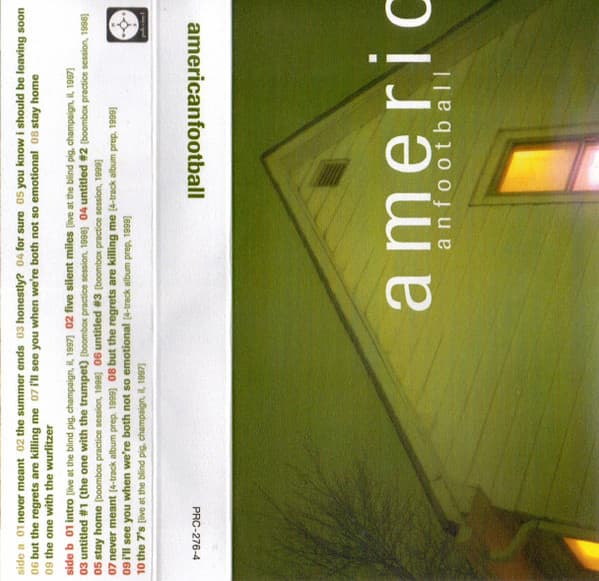
American Football
American Football
1999
Trumpet, 12/8 and an Urbana house on the sleeve — the record the entire 2010s revival copies note for note.
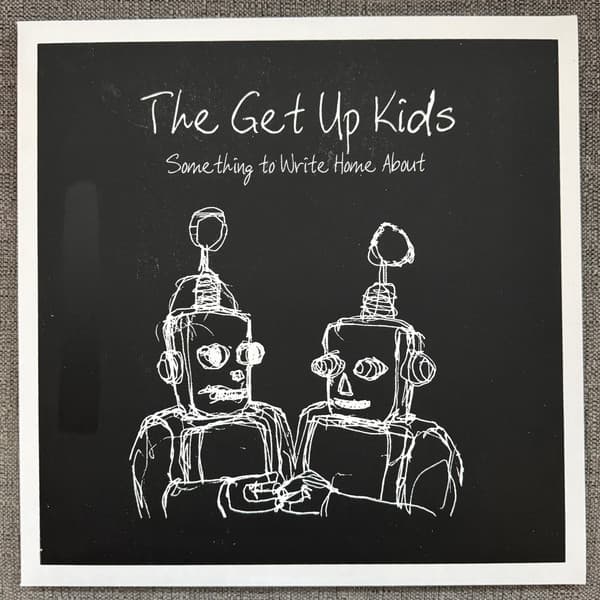
The Get Up Kids
Something To Write Home About
1999
Kansas City pushes the sound toward power pop; James Dewees' keyboards gave Vagrant a template the whole 2000s ran on.
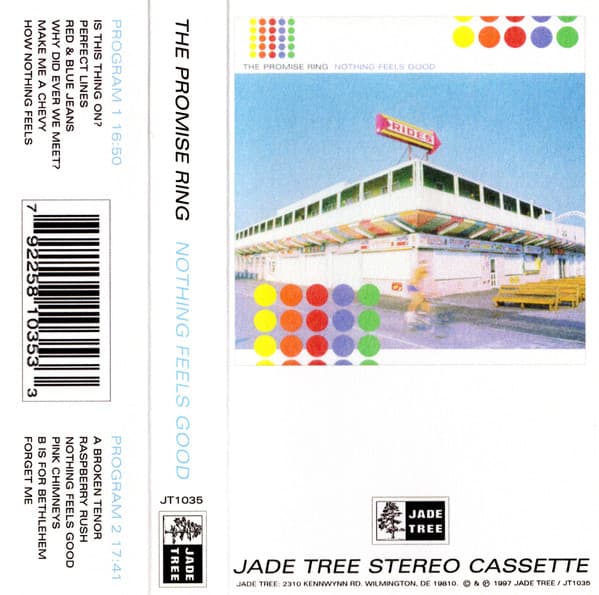
The Promise Ring
Nothing Feels Good
1997
Von Bohlen's lisp and major-key hooks turned Cap'n Jazz wreckage into pop; Andy Greenwald later borrowed the title for his emo book.
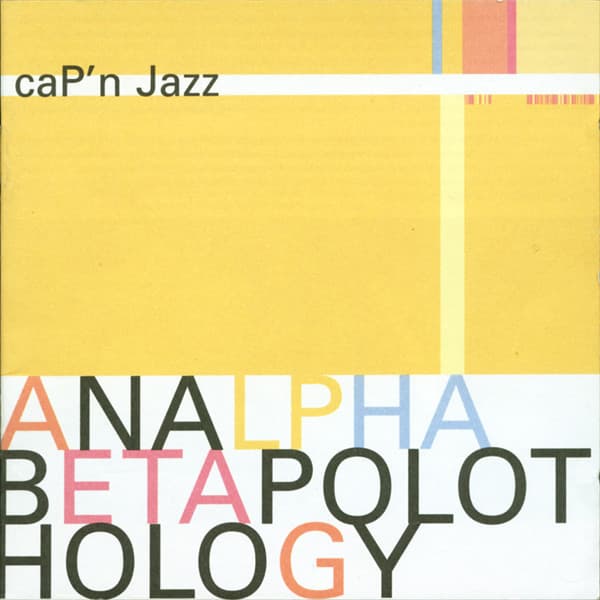
Cap'n Jazz
Analphabetapolothology
1998
Jade Tree's double-disc retrospective of a band already three years dead — the complete works, finally on 2xLP in 2010.
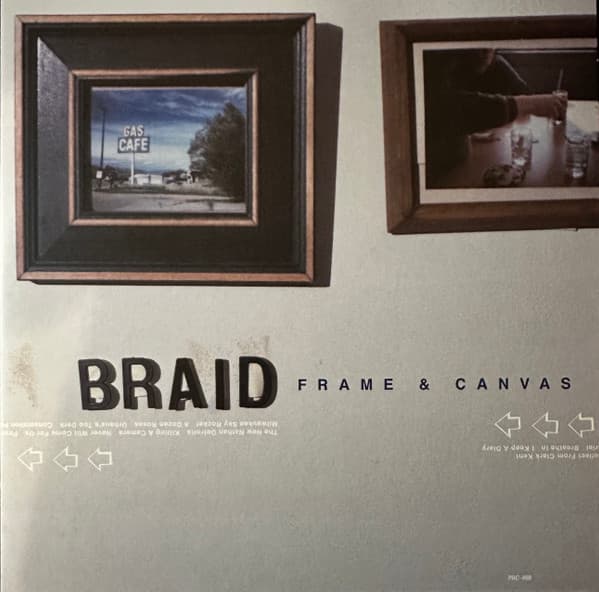
Braid
Frame & Canvas
1998
Champaign's answer: two vocalists trading lines, J. Robbins engineering, the hardcore edge the Kinsella records sanded off.
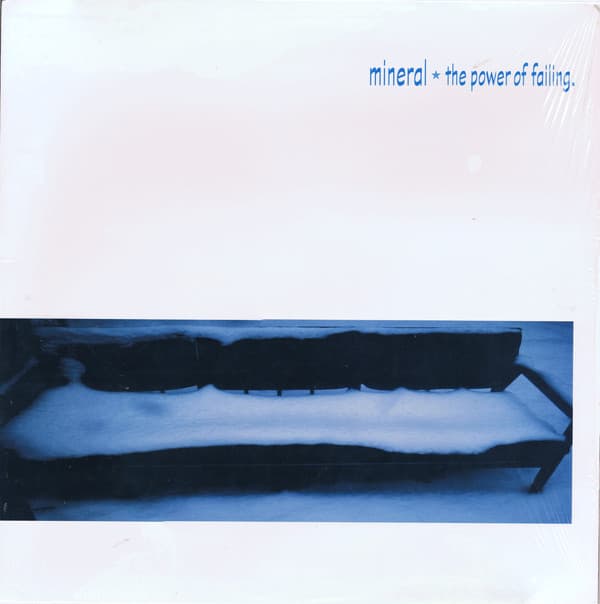
Mineral
The Power Of Failing
1997
Texan, not Midwestern, but the loud-quiet-loud blueprint every Illinois band argued with.
Oddballs
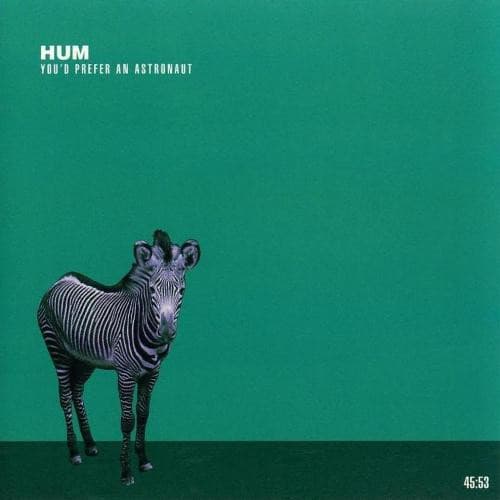
Hum
You'd Prefer An Astronaut
1995
Champaign's other export — major label, enormous fuzz, no emo tag, yet half the local guitar vocabulary came from it.

Rainer Maria
Look Now Look Again
1999
Madison trio, Polyvinyl, De Marrais and Fleischli splitting the vocal — the scene's rebuttal to the all-male basement.
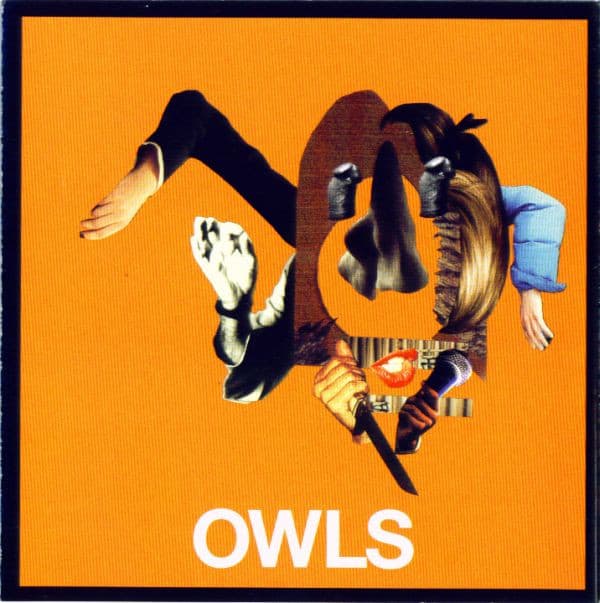
Owls
Owls
2001
Cap'n Jazz reunited minus von Bohlen, recorded by Steve Albini: the same four players, all tension, no choruses.
Keep digging
- What did Jade Tree release besides emo?
- Which Kinsella project came after American Football?