Minneapolis Sound
Linn drums, Oberheim stabs, no horn section: funk rebuilt by one city's worth of overlapping bands.
What you're really asking
Not a genre so much as a factory: one man's publishing empire and a handful of Twin Cities bands trading the same players, the same studios and the same drum machine. The sound is funk with the horns deleted and synths put in their place, rock guitar welded on, and a Linn LM-1 snare drowned in reverb.
Half the canon is Prince writing under a fake name for someone else's sleeve.
Where it sits
Minneapolis, late 70s to late 80s. Pepé Willie's 94 East put a teenage Prince and André Cymone on tape in 1975-77 sessions; manager Owen Husney landed Prince a Warner Bros.
deal in 1977 with production control, which is the fact everything else rests on. By 1981 Prince was spinning off satellite acts — The Time (built from Flyte Tyme, with Morris Day out front), then Vanity 6 — writing and playing most of it himself under Jamie Starr / The Starr Company aliases.
First Avenue and the 7th St Entry were the proving room; Purple Rain in 1984 made the city a destination. S.
Band. Paisley Park Records launched 1985; the Chanhassen complex opened 1987.
The scene
, André Cymone, engineer David Z. Rooms: Prince's Kiowa Trail home studio, Sound 80, Flyte Tyme, later Paisley Park; stage: First Avenue.
What: LM-1 programmed stiff and loud, gated snare, Oberheim and Prophet lines doing the work a horn section used to do, falsetto on top, a guitar solo where the sax would be. How a record gets in: it comes out of that player pool, it was cut in those rooms, and the credits are often a pseudonym covering for Prince.
The leading records
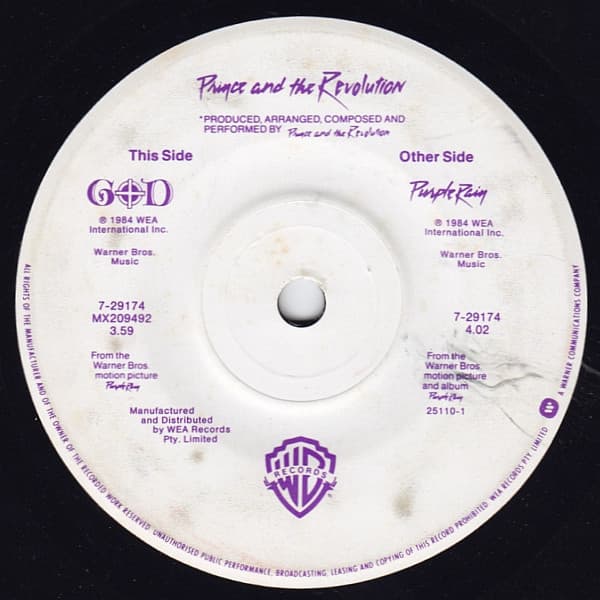
Prince and the Revolution
Purple Rain
1984
Three tracks lifted from an August 1983 First Avenue benefit show — the scene's own room is on the record.
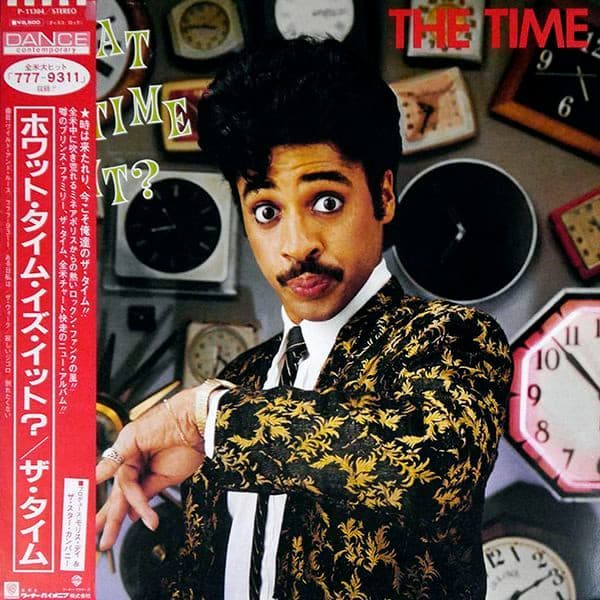
The Time
What Time Is It?
1982
Morris Day's voice over Prince's playing, credited to "The Starr Company" — the template for the whole satellite-act system.
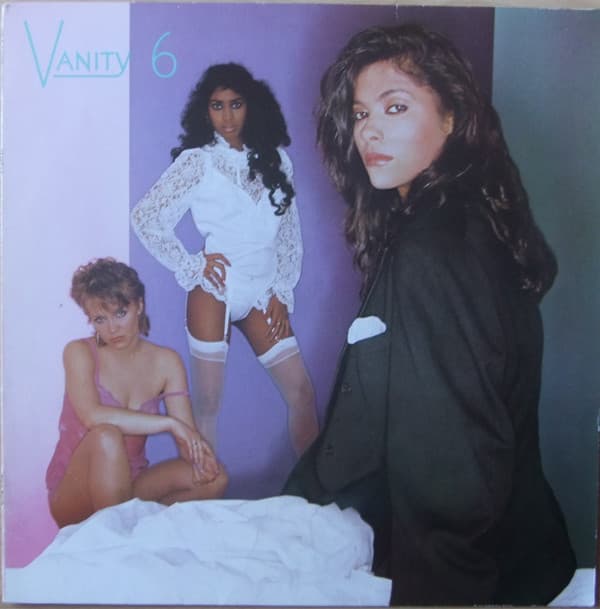
Vanity 6
Vanity 6
1982
"Nasty Girl" is The Time backing uncredited and a drum machine doing all the heavy lifting; sampled and covered for decades after.
Sheila E.
The Glamorous Life
1984
Latin percussion dropped into Minneapolis circuitry — the one canon record where live hands beat the LM-1.
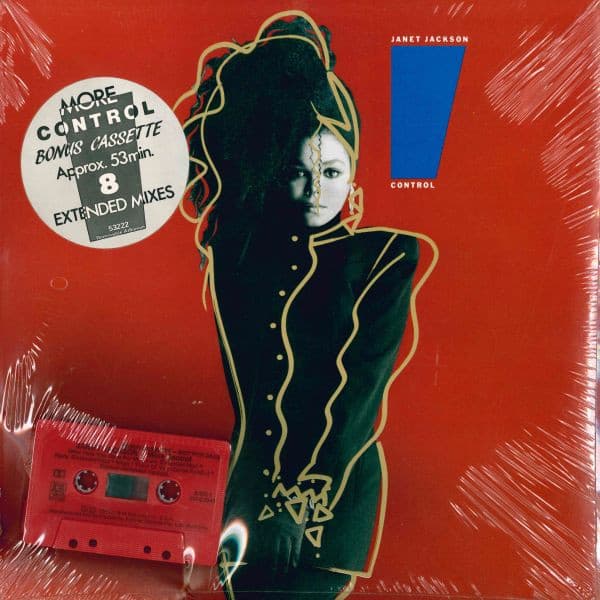
Janet Jackson
Control
1986
Cut at Flyte Tyme with Jam and Lewis: proof the sound survived leaving Prince's orbit, and the bridge to new jack swing.
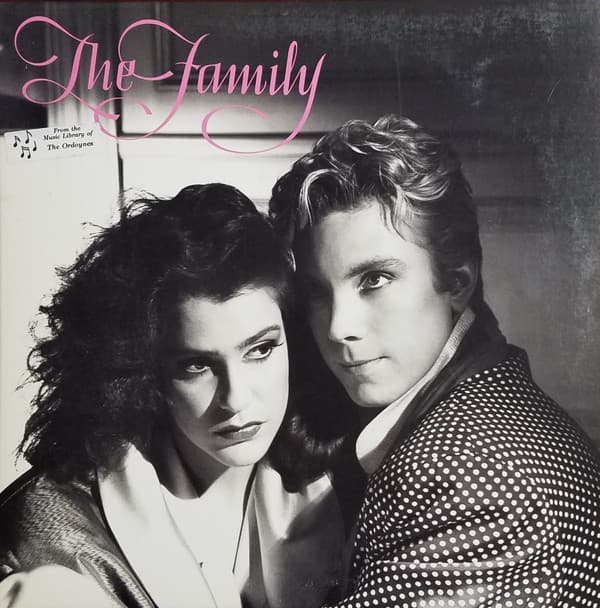
The Family
The Family
1985
Paisley Park's house band with Eric Leeds' sax; the original "Nothing Compares 2 U" sat here for five years before Sinéad O'Connor found it.
Oddballs
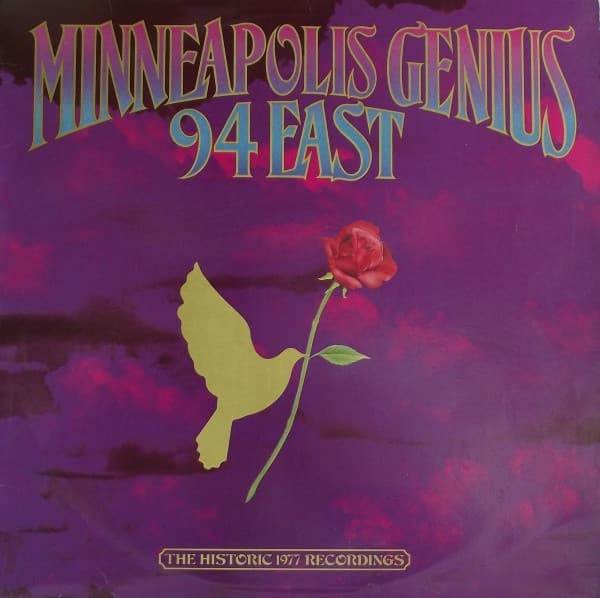
94 East
Minneapolis Genius (The Historic 1977 Recordings)
1985
Pepé Willie's sessions with a teenage Prince and André Cymone, shelved until Purple Rain made them sellable; "If You Feel Like Dancin'" reportedly got Paradise Garage play.
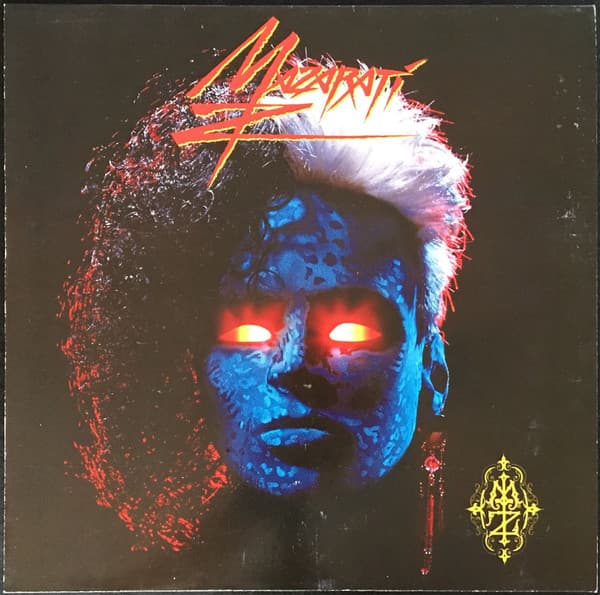
Mazarati
Mazarati
Paisley Park · 1986
BrownMark's band on Paisley Park — they built the arrangement of "Kiss" from an acoustic demo and Prince took it back, keeping their backing vocals.
Read more →
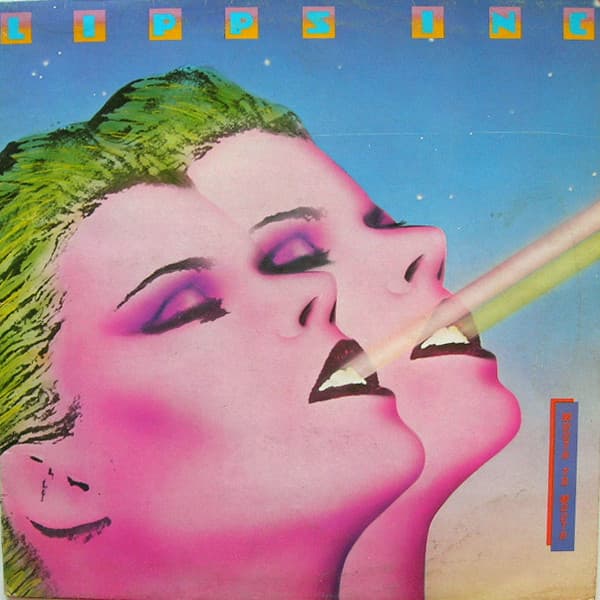
Lipps Inc.
Mouth to Mouth
1980
Steven Greenberg's disco project, with Flyte Tyme's Cynthia Johnson singing "Funkytown" — the city's first number one, arriving before the purple machine did.
Keep digging
- Which Prince aliases hid him on other labels?
- What did Jam and Lewis cut after Control?
- Which Paisley Park albums never got reissued?