New Jersey Emo & Punk
Basement floors in a college town, and the records that carried that room onto mainstream radio.
What you're really asking
This isn't a sound you can draw a box around — it's a geography. A thirty-mile corridor between New Brunswick, Asbury Park and the north Jersey suburbs where hardcore kids started singing instead of shouting, and the room they played in was somebody's cellar.
The thread running through all of it: songs built for a space with no stage, no barrier and a ceiling you could touch.
Where it sits
The network goes back to the 1980s around Rutgers, with shows happening outside commercial clubs — off-campus house basements, campus halls like Demarest, and small rooms like the Court Tavern and the Melody Bar.
Enuf, Pleased Youth and the Bouncing Souls built the first-wave infrastructure in the mid-'80s. The Souls and Lifetime leaned on house shows because the city had no all-ages venues.
By the mid-'90s Jade Tree was pressing Lifetime, Deadguy were cutting mathcore at Trax East in South River, and Steve Evetts was becoming the engineer of record for half the state. The late '90s pushed it outward: Equal Vision took Saves The Day, Drive-Thru took Midtown, Victory took Thursday.
Geoff Rickly found his hardcore crowd at Rutgers orientation, rented 331 Somerset St. for its basement, and started Thursday specifically to play one of his own shows there.
After 2001 the majors arrived. Eyeball Records in Kearny sent My Chemical Romance out the same door.
The scene
Who: Ari Katz and Dan Yemin in Lifetime; Rickly in Thursday; Chris Conley in Saves The Day; Ben Jorgensen in Armor For Sleep; Alex Saavedra running Eyeball from a house in Kearny. The studios matter as much as the bands — Trax East in South River, Big Blue Meenie in Jersey City, Water Music in Hoboken.
What: hardcore tempos with the vocal melody pushed up front, guitars in clean octave shapes rather than power chords, lyrics about specific streets and specific people. How a record gets in: it has to work with the PA on the floor.
Room-filling singalongs and gang vocals, sets built for tight spaces.
The leading records
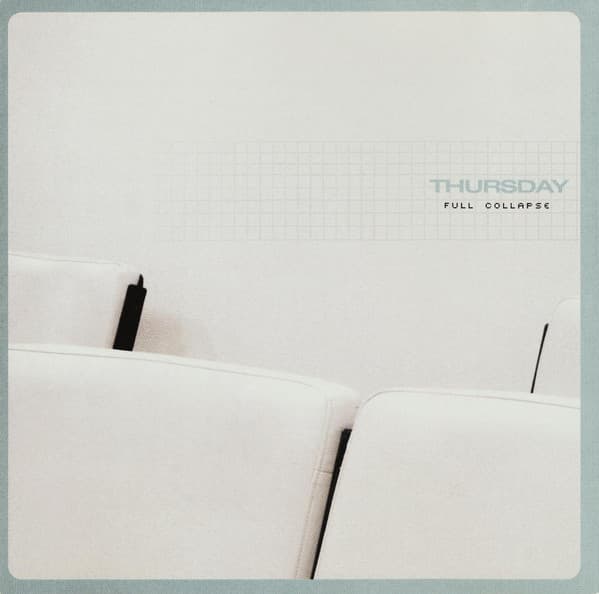
Thursday
Full Collapse
2001
Cut with Sal Villanueva at Big Blue Meenie in Jersey City — two guitars writing counter-melodies instead of riffs, and "Understanding in a Car Crash" pulled the whole corridor onto MTV2.
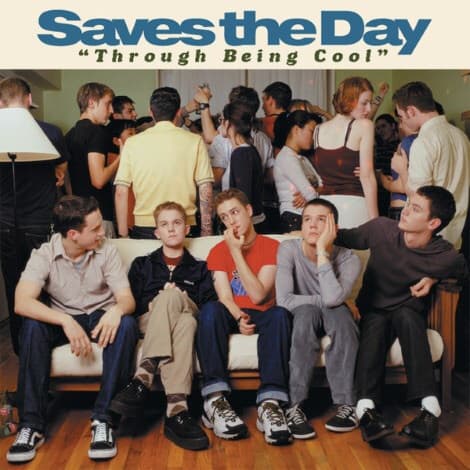
Saves The Day
Through Being Cool
1999
Steve Evetts at Trax East, South River. The title is lifted from Devo; the house-party sleeve photo is the scene's own group portrait.

Lifetime
Jersey's Best Dancers
1997
Carries "Theme Song for a New Brunswick Basement Show" — the unofficial anthem — and set the template of hardcore speed married to melody.

Armor For Sleep
What to Do When You Are Dead
2005
Recorded in Hoboken with producer Machine, after Ben Jorgensen wrote two songs from a dead narrator's point of view and built the rest of the album around him. Over 200,000 sold, No. 101 on the Billboard 200.
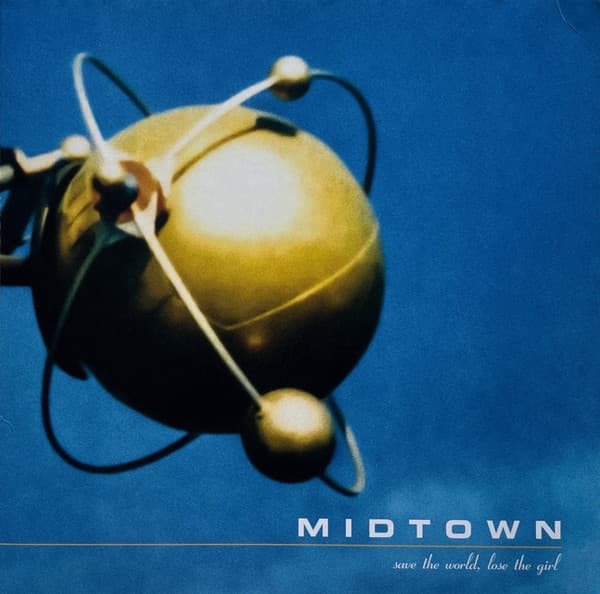
Midtown
Save the World, Lose the Girl
2000
Rutgers kids on Drive-Thru — two singing bassists, and the clearest link between the basement circuit and the Warped Tour main stage.
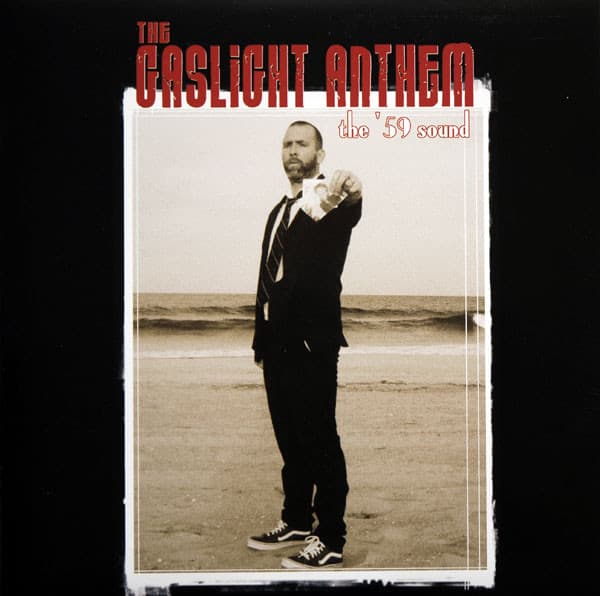
The Gaslight Anthem
The '59 Sound
2008
New Brunswick basements rerouted through Asbury Park mythology; proof the scene's next move was Springsteen, not screamo.