New York Indie Rock
Downtown guitars and a drum machine in the next room — the decade rock and dance stopped arguing.
What you're really asking
You're asking about a five-year window when a few hundred people in Lower Manhattan and North Brooklyn convinced the world that New York was a sound again. It wasn't one genre: it was skinny guitars borrowed from Television and the Velvets on one side, cowbell and 808s borrowed from ESG and Liquid Liquid on the other, often played by people who drank in the same two bars.
The connective tissue is attitude and address, not tempo.
Where it sits
The fuse is 1999–2001. James Murphy and Tim Goldsworthy start DFA in 1999 and set up at Plantain on West 13th Street.
The Strokes work the Mercury Lounge / Luna Lounge / Brownies circuit, get signed to Rough Trade in the UK, and release Is This It overseas on 27 August 2001. The American rollout runs straight into September 11: the US CD was pushed from 25 September to 9 October with "New York City Cops" swapped for the newly written "When It Started", while the US vinyl kept the original track list because it shipped on the 11th.
Matador takes Interpol in 2002; DFA puts out "House of Jealous Lovers". The British press frames it as a revival, Williamsburg rents climb, and by 2008 the lineage runs through Columbia dorms and XL.
What it caused: a decade of major-label A&R in Brooklyn, and the Death by Audio / 285 Kent loft circuit that replaced the bars.
The scene
Who: Casablancas, Banks, Karen O, Murphy, Luke Jenner, Dave Sitek, Ezra Koenig — plus Gordon Raphael at Transporterraum and Peter Katis up in Bridgeport. Rooms: Mercury Lounge, Bowery Ballroom, Northsix, later Death by Audio.
Labels: Rough Trade, Matador, DFA, Troubleman Unlimited, Frenchkiss, XL. What: everything compressed and dry, bass carrying the melody, no solos, drums recorded tight or fed through an old desk until they hiss.
How a record gets in: it sounds like a band in a small room, it can be danced to even when it's played on guitars, and it carries a specific New York address in the lyrics or the drum sound.
The leading records
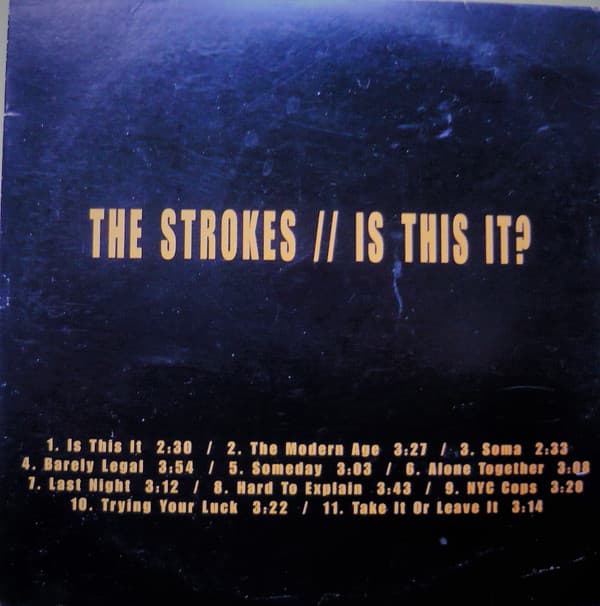
The Strokes
Is This It
2001
Two guitars panned hard left and right, vocals run through a tiny amp — the template everybody copied for six years.
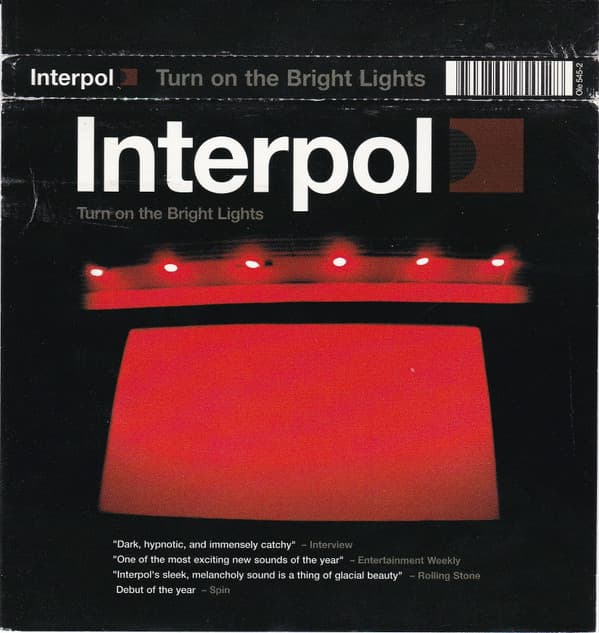
Interpol
Turn On the Bright Lights
2002
Matador debut cut with Peter Katis and Gareth Jones; Carlos D's bass plays the hooks and the guitars do the weather.
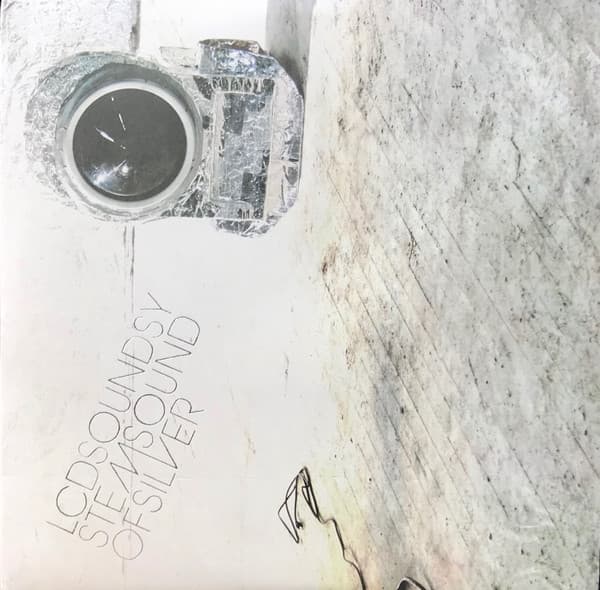
LCD Soundsystem
Sound of Silver
2007
Recorded at Long View Farm in Massachusetts and DFA in New York — the record where Murphy stopped joking about record collections and wrote about leaving the city.
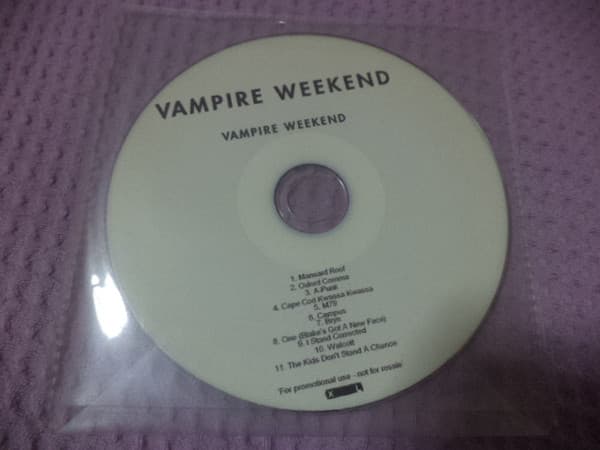
Vampire Weekend
Vampire Weekend
2008
Rostam Batmanglij's production puts harpsichord, Congolese guitar figures and a drum machine where the scene expected distortion.
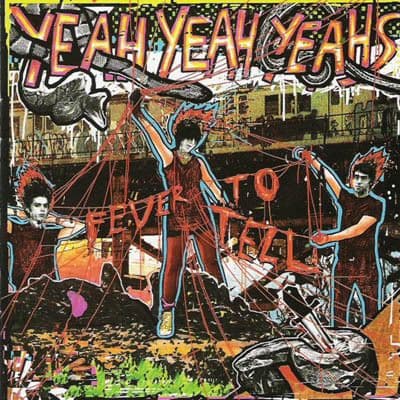
Yeah Yeah Yeahs
Fever to Tell
2003
No bass player — Nick Zinner's guitar covers both jobs, Dave Sitek engineers the mess, and "Maps" lands in the middle of it.
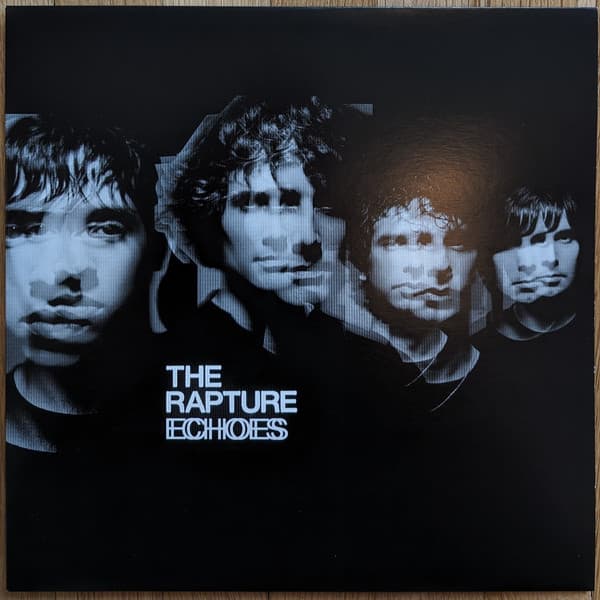
The Rapture
Echoes
2003
DFA production brings cowbell, dub delay and Jenner's screech; the record that argued rock kids could be a dancefloor.
Oddballs
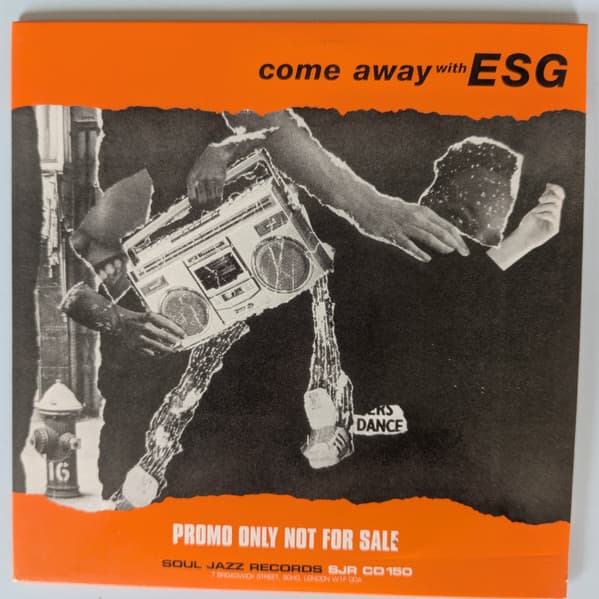
ESG
Come Away with ESG
1983
99 Records, four sisters from the South Bronx — the drum sound DFA spent the 2000s rebuilding from scratch.
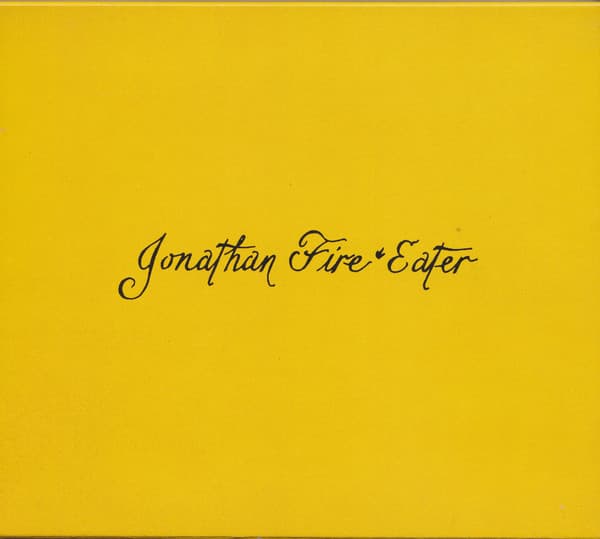
Jonathan Fire*Eater
Wolf Songs for Lambs
1997
The major-label swing that missed four years early; members regrouped as The Walkmen and got the second round right.
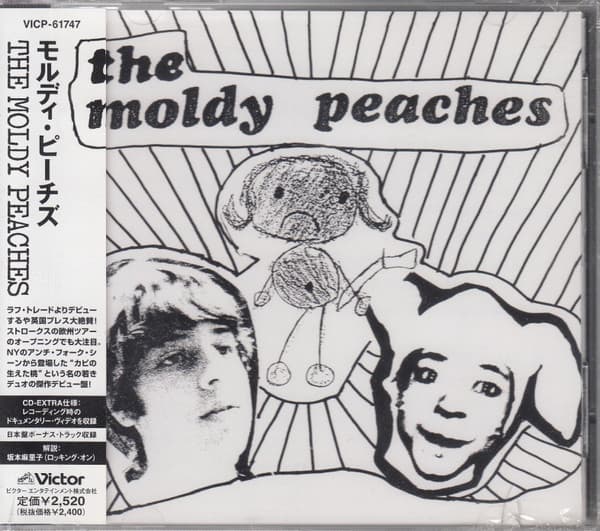
The Moldy Peaches
The Moldy Peaches
2001
Same city, same year, opposite method: antifolk from the Sidewalk Cafe open mic, recorded like a tape found under a bed.
Keep digging
- What did DFA release before LCD Soundsystem?
- Which original pressings differ from the repress?
- Where did the Brooklyn loft circuit go after 2014?