New York Post-Disco & Boogie
Disco keeps dancing while the bands and machines change places.
What you're really asking
Listen for the handover: a live bass feeling against a programmed rhythm, a big soul voice over a smaller electronic arrangement. New York's post-disco records kept club music moving into the early 1980s.
Boogie is one way through that world, not a name for every record in it.
Where it sits
Disco's commercial backlash did not close New York's dancefloors. Independent labels including Prelude, West End, Salsoul and SAM continued to supply DJs with extended mixes, while producers changed instrumentation and arrangement.
The Paradise Garage and its wider DJ network helped records circulate and develop identities in use. The period links earlier disco to electro and house, but those developments overlap rather than follow one tidy sequence.
The scene
Who: D Train, Taana Gardner, Inner Life, the NYC Peech Boys, Leroy Burgess, Patrick Adams, François Kevorkian and Larry Levan. Labels and rooms connect singers, studio musicians, remixers and dancers.
What: strong bass, vocal personality, electronic detail and arrangements built for the 12-inch. This scene centres on that New York network; boogie made elsewhere and later private-press rediscoveries need their own evidence.
The leading records

D Train
You're The One For Me
1981
A powerful voice over electronic rhythm and a bass figure that carries the song.
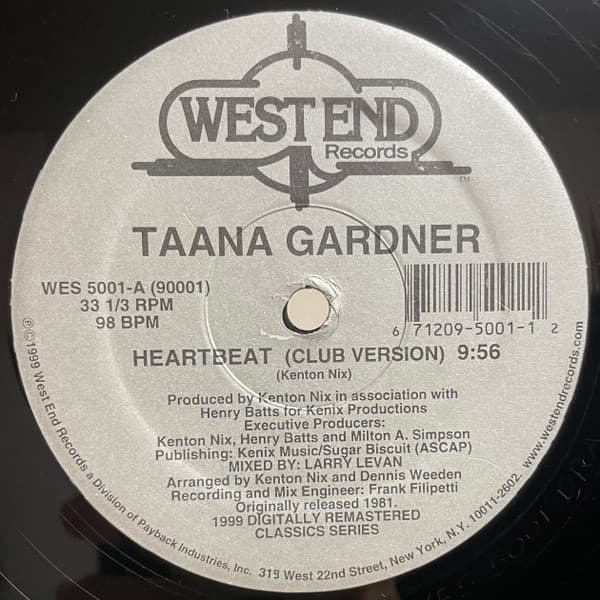
Taana Gardner
Heartbeat
1981
A slower groove with enough space for every part to make itself felt.
NYC Peech Boys
Don't Make Me Wait
1982
Voice, percussion and studio treatment becoming a club composition.
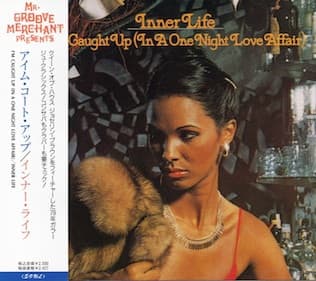
Inner Life
I'm Caught Up (In A One Night Love Affair)
1979
A vocal-led doorway from disco into the period's changing production world.
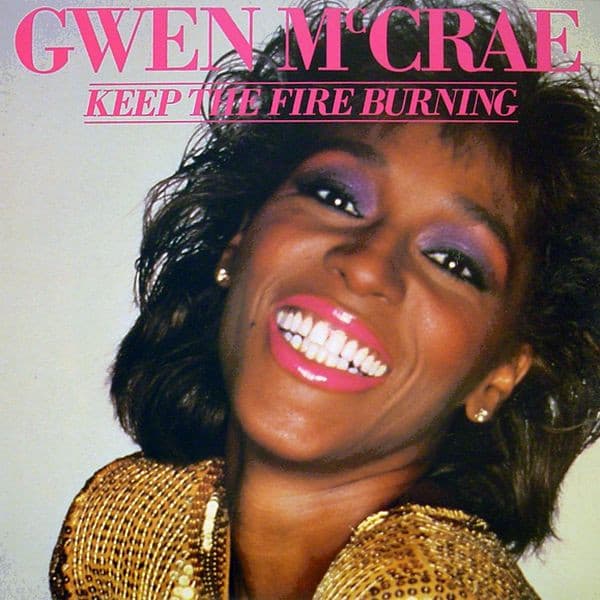
Gwen McCrae
Keep The Fire Burning
1982
A soul singer finding a new setting in New York club production.
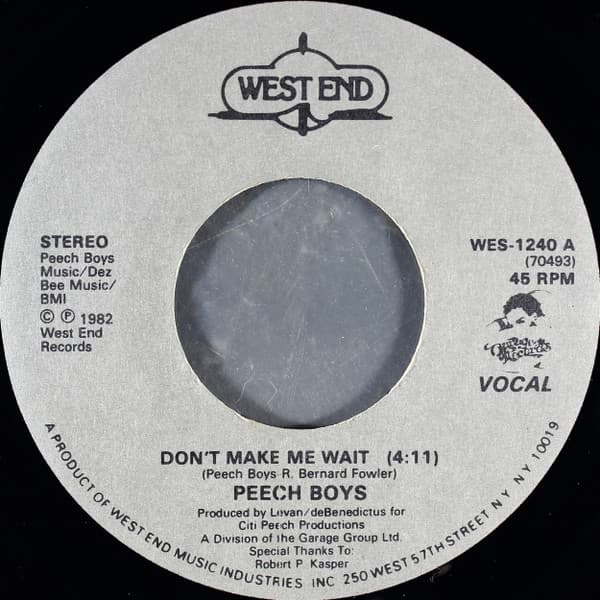
Peech Boys
Don't Make Me Wait
1982
Studio dub applied to a club song.

Logg
Logg
1981
Leroy Burgess' studio project, boogie at its most elastic.
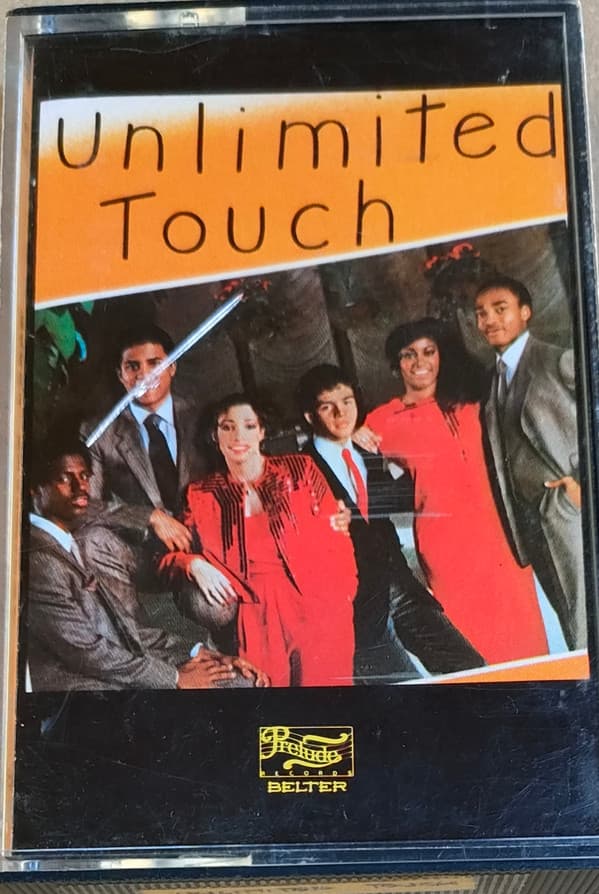
Unlimited Touch
Unlimited Touch
1981
Patrick Adams' polished studio soul.
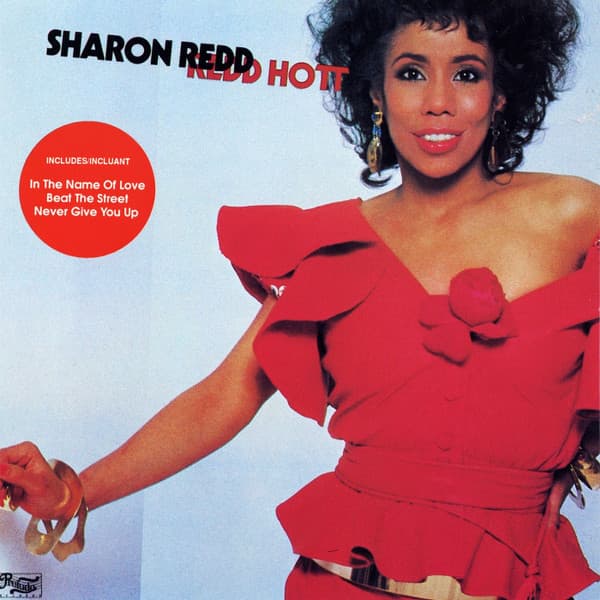
Sharon Redd
Redd Hott
1982
Prelude moving toward sharper electronics.
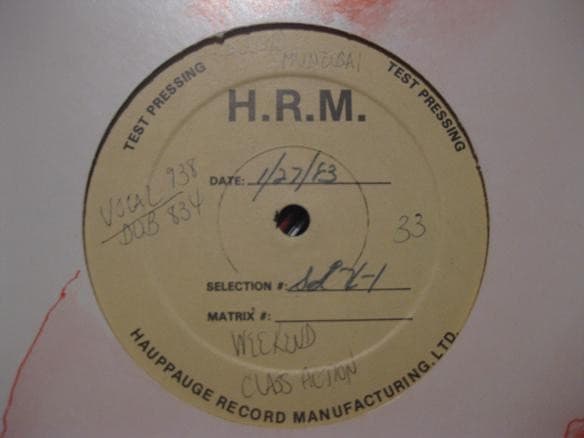
Class Action
Weekend
1983
Larry Levan's remix as its own composition.
Oddballs

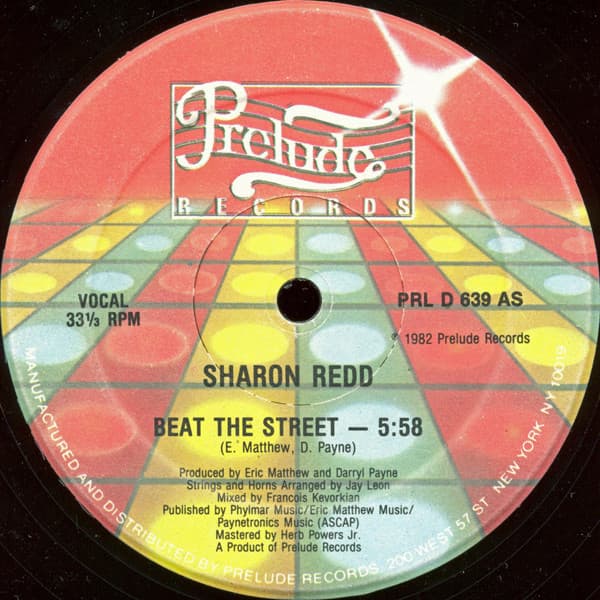
Keep digging
- The slower, bass-heavy boogie side
- Follow a song through its club mixes
- Loose Joints into downtown New York
- From post-disco into New York house