New York Salsa / Fania
A city’s Latin neighbourhoods, heard through voices, horns and a rhythm section that never stands still.
What you're really asking
The percussion keeps several conversations going at once. Horns answer the singer, the singer tells a story, and the band makes room for dancers.
New York salsa grew through Caribbean and Latin American musicians meeting in the city, with Fania an important hub rather than the only source.
Where it sits
During the 1960s and 1970s, New York’s Latin music networks developed through clubs, recordings and neighbourhood audiences. Fania connected many central performers and expanded their reach through albums and the All Stars.
Willie Colón and Héctor Lavoe made a powerful partnership; Colón’s later work with Rubén Blades added another songwriting and storytelling direction. Ray Barretto brought his own band history and approach.
The music travelled internationally, while its New York relationships remained audible.
The scene
Who: Colón, Lavoe, Blades, Barretto, Johnny Pacheco and their musicians. What: Afro-Caribbean rhythm, strong arrangements, improvisation and songs with local and wider social worlds inside them.
Follow bands, credits and label relationships. ‘Latin’ or ‘Brazil’ folder membership alone says little; salsa and Brazilian samba-funk are distinct routes.
The leading records
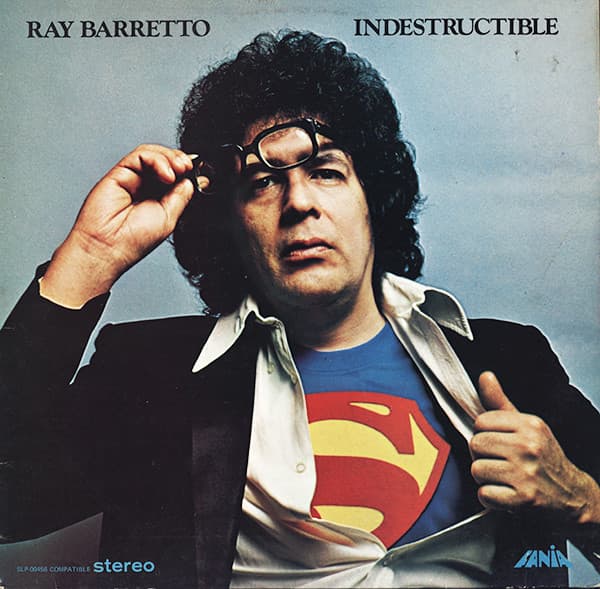
Ray Barretto
Indestructible
1973
A band-led entry with percussion at the centre.
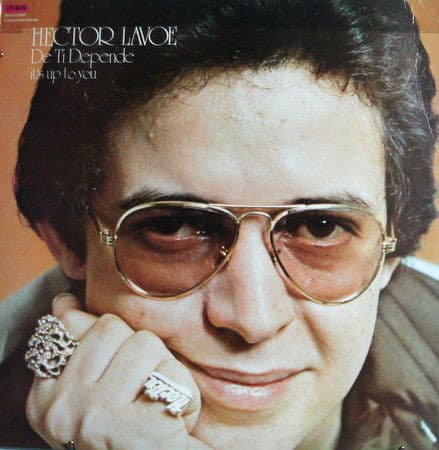
Héctor Lavoe
De Ti Depende
1976
The singer’s own album route through the Fania network.
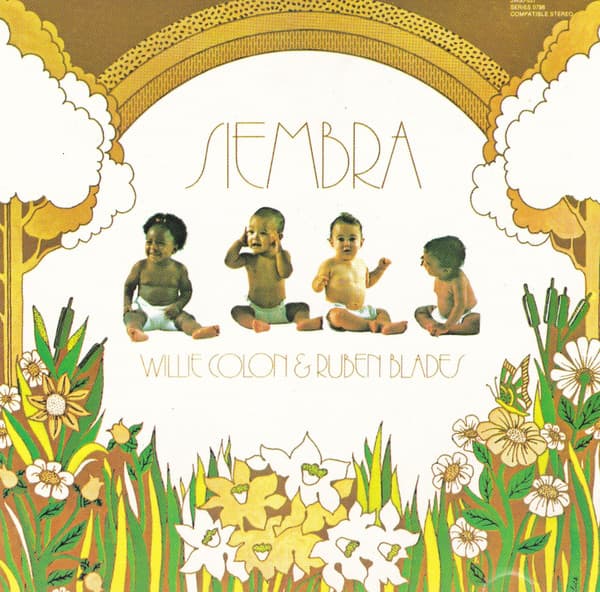
Willie Colón & Rubén Blades
Siembra
1978
Storytelling and arrangements working at full scale.
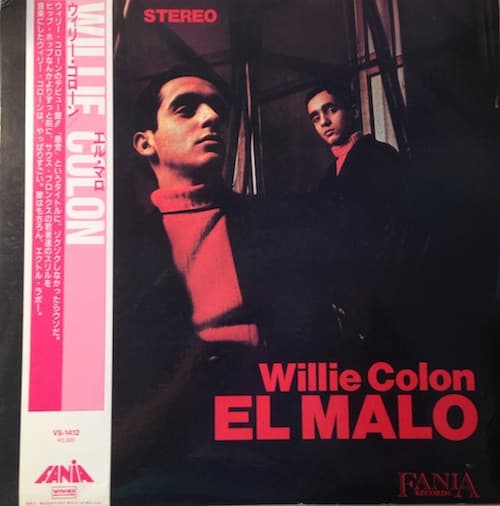
Willie Colón
El Malo
1967
An earlier doorway into the Colón/Lavoe partnership.

Fania All Stars
Live At The Cheetah, Vol. 1
1972
The label’s wider family brought together on stage.
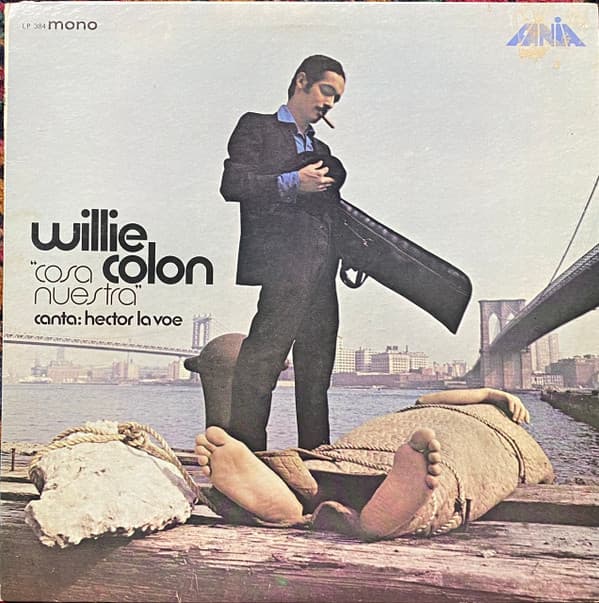
Willie Colón & Héctor Lavoe
Cosa Nuestra
1969
The pairing that defined the label's street sound.
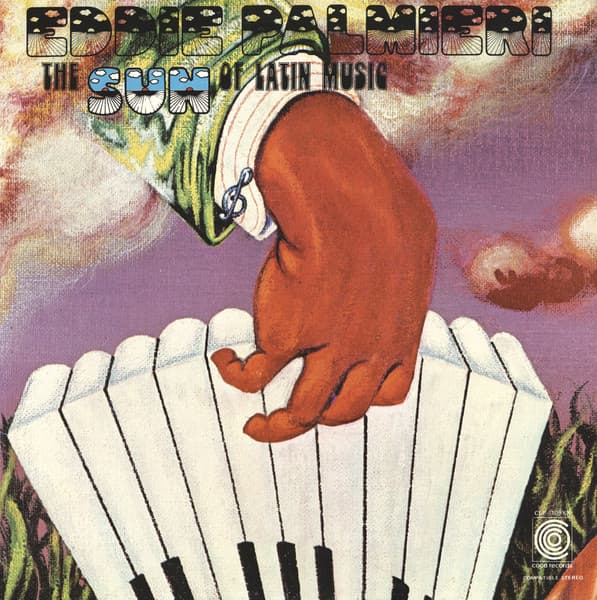
Eddie Palmieri
The Sun Of Latin Music
Coco Records · 1974
Harmonic ambition inside the New York scene.
Read more →
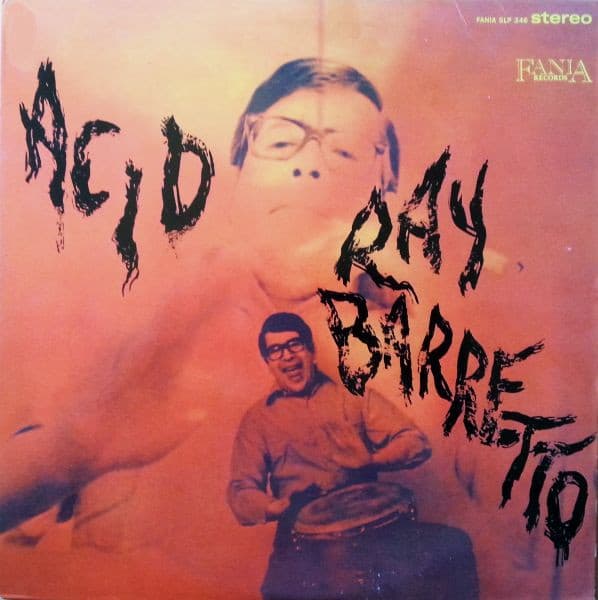
Ray Barretto
Acid
1968
Boogaloo turning into hard salsa.
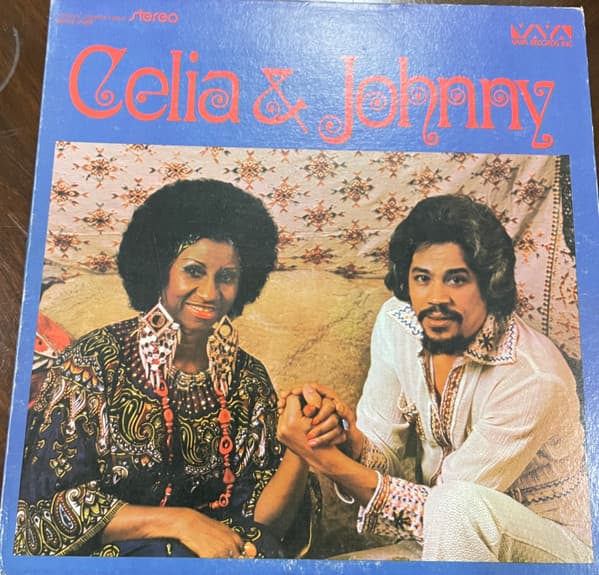
Celia Cruz & Johnny Pacheco
Celia & Johnny
1974
The voice that carried Fania worldwide.

Rubén Blades
Maestra Vida
1980
Blades turning salsa into a two-part narrative work.
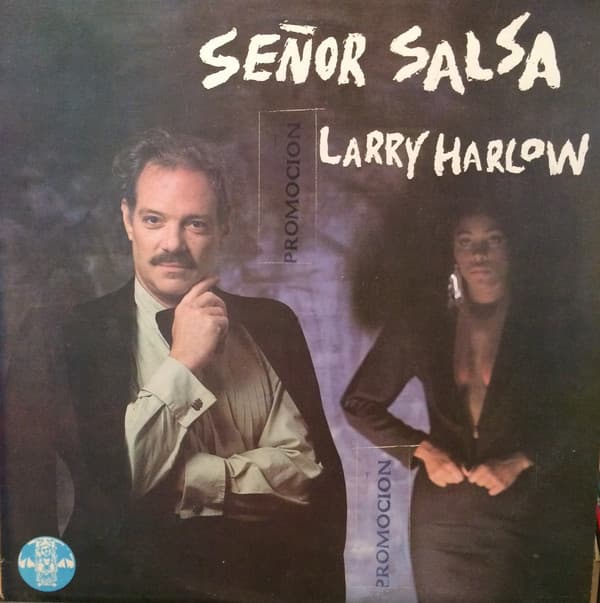
Larry Harlow
Salsa
1974
The label's in-house arranger on his own name.

Típica 73
Típica 73
1973
The players' co-op branching off the Fania sound.
Oddballs
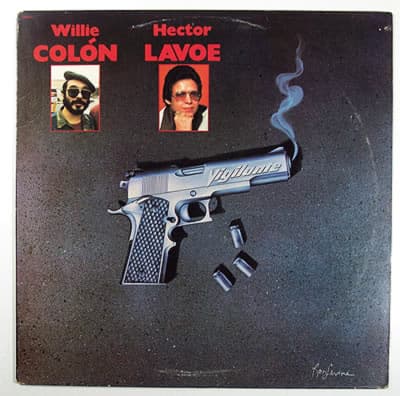
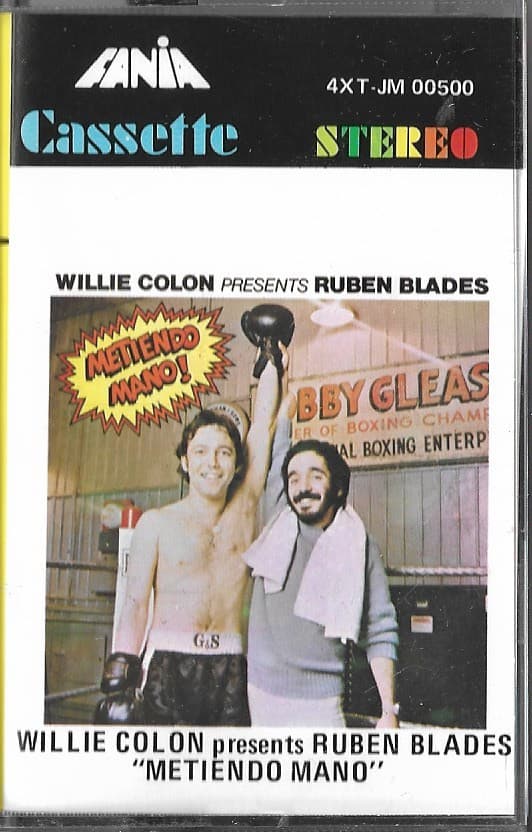
Keep digging
- Follow Lavoe through different bands
- The Colón and Blades songwriting route
- The All Stars as a scene map
- New York salsa outside Fania