NYC 2000s Indie Rock
Downtown guitars rebuilt on a disco floor: tight drums, cold reverb, cowbell, and leather-jacket melancholy.
What you're really asking
Two scenes wearing one jacket. One half plugged back into 1978 — Television, Gang of Four, Joy Division — and played it loud in small rooms downtown; the other half, mostly around DFA in Brooklyn, put the same guitars over a four-on-the-floor kick and a cowbell.
What holds them together isn't a sound, it's a five-year window where New York guitar bands got signed, played the same bills, and borrowed each other's rhythm sections.
Where it sits
Fuse lit 2001: The Strokes' Is This It (Rough Trade UK, RCA US), cut with Gordon Raphael in an East Village basement studio, and the Mercury Lounge / Brownies / Bowery Ballroom circuit that fed it.
In parallel, James Murphy and Tim Goldsworthy start DFA in 2001 out of a Manhattan studio, producing The Rapture and releasing "Losing My Edge" in 2002. Luxx in Williamsburg hosts Larry Tee's Berliniamsburg nights; Plant Bar is where the DJ side of it drinks.
Matador takes Interpol in 2002, Touch and Go takes TV on the Radio in 2004. By 2005 the majors are buying: Interscope has Yeah Yeah Yeahs, Universal has The Rapture, Capitol co-releases LCD.
Williamsburg rents follow. Lizzy Goodman's oral history Meet Me in the Bathroom (2017) is the scene's official paperwork.
The scene
Who: Strokes, Interpol, Yeah Yeah Yeahs, The Rapture, LCD Soundsystem, TV on the Radio, Liars, The Walkmen, Radio 4, !!!. Producers matter as much as bands — Gordon Raphael, Peter Katis, Dave Sitek, Murphy and Goldsworthy.
Rooms: Mercury Lounge, Luxx, Northsix, Bowery Ballroom, Plant Bar. What: short songs, dry rooms, bass carrying the tune, drums mixed up front and often playing disco.
Guitars are treble and texture, not riffs. How a record gets in: it came out roughly 2001–2007, it was made by people who shared bills in those rooms, and it works on a dancefloor at 2am as readily as on headphones on the L train.
The leading records
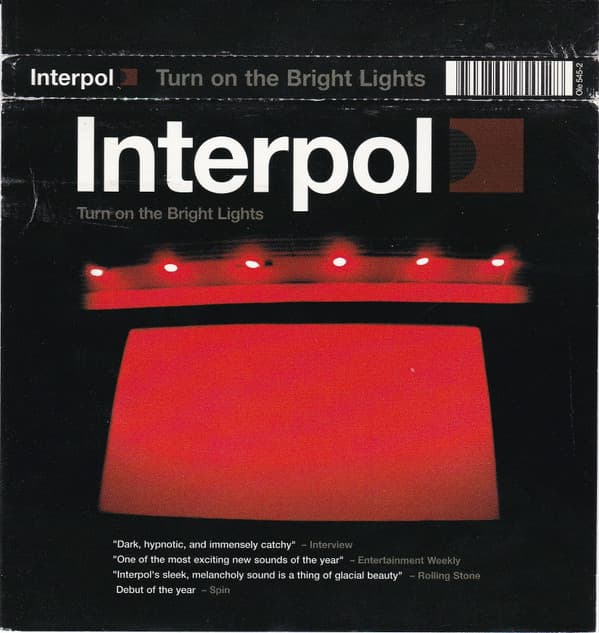
Interpol
Turn On The Bright Lights
2002
Recorded upstate with Peter Katis, not downtown — the reverb that made Matador's decade
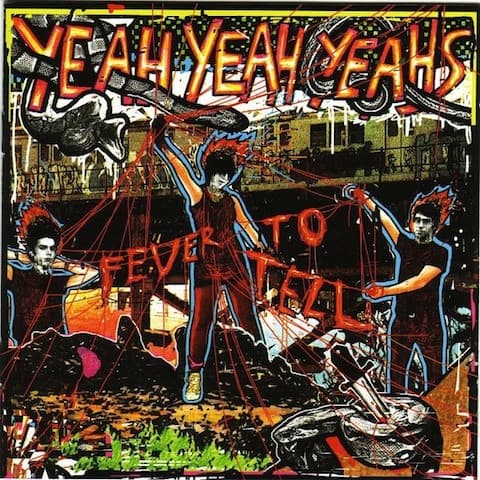
Yeah Yeah Yeahs
Fever To Tell
2003
No bass player, Sitek producing, and "Maps" — a ballad buried at track nine that outlived the scene
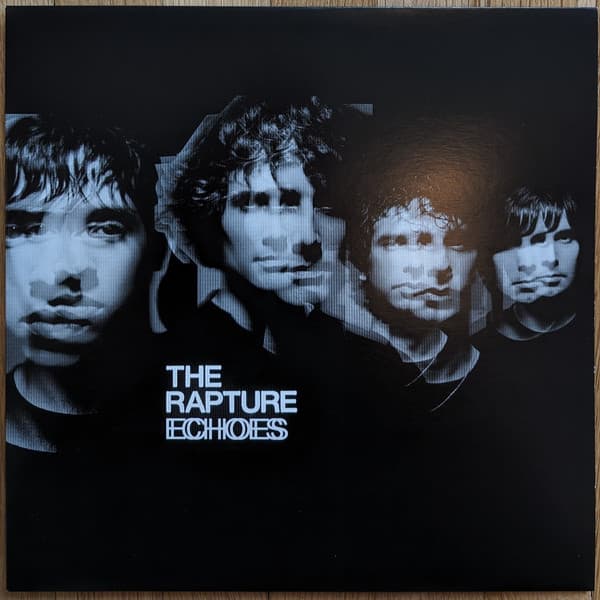
The Rapture
Echoes
2003
Murphy and Goldsworthy's cowbell record: punk band, disco engine, the hinge between the two halves of New York
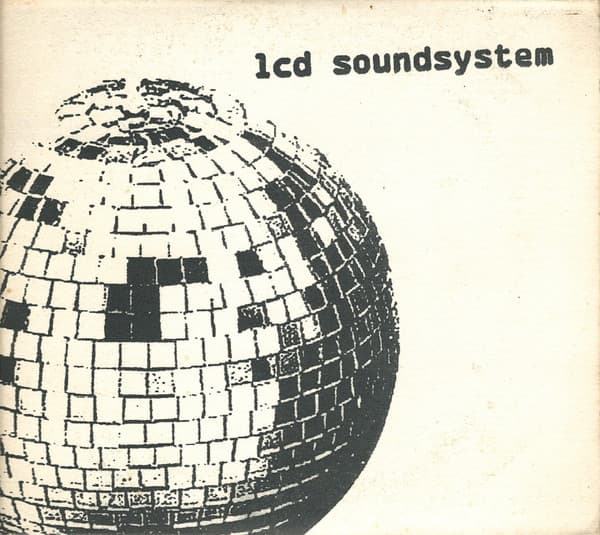
LCD Soundsystem
LCD Soundsystem
2005
The self-titled double paired the album with the singles disc — "Losing My Edge" filed next to the band it mocked
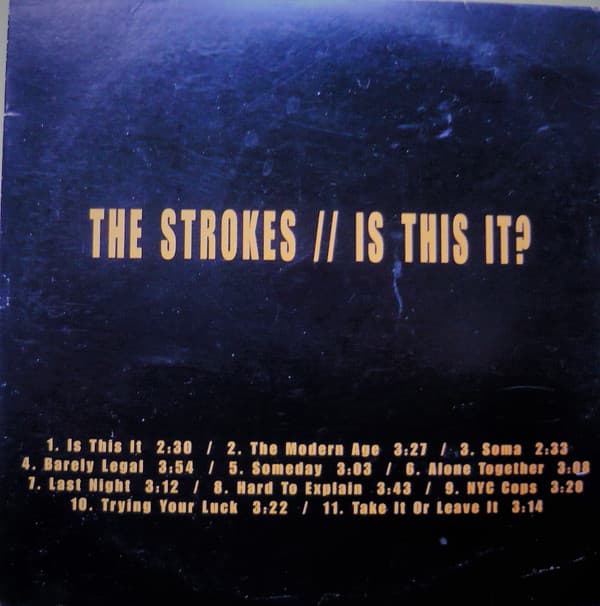
The Strokes
Is This It
2001
Cut with Gordon Raphael in a basement; the US version swapped the sleeve and dropped "New York City Cops" after 9/11
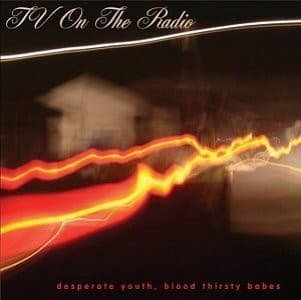
TV On The Radio
Desperate Youth, Blood Thirsty Babes
2004
Sitek's Brooklyn end of it: doo-wop harmony, loops and feedback instead of a rhythm section
Oddballs
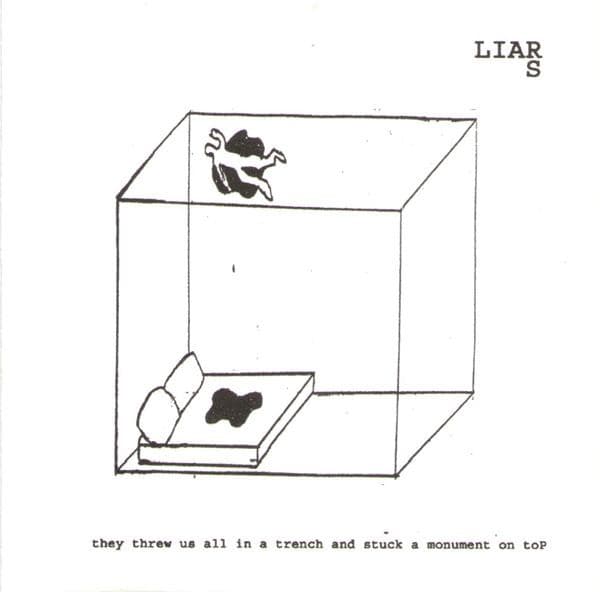
Liars
They Threw Us All In A Trench And Stuck A Monument On Top
2001
Williamsburg no-wave with a locked groove at the end; they left for Berlin rather than take the deal

ESG
A South Bronx Story
2000
A reissue comp that acted as a source document — half the dance-punk basslines in this list start here
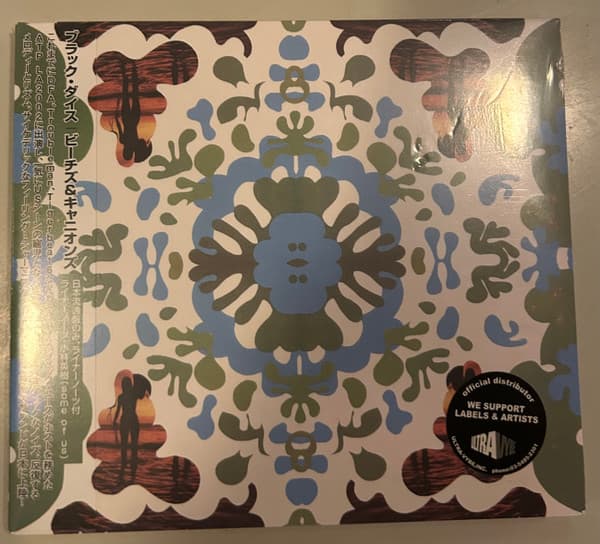
Black Dice
Beaches And Canyons
2002
DFA put out a noise record with no songs on it, which tells you what the label actually was
Keep digging
- Which DFA 12"s still only exist on original pressings?
- What did the UK press do with these bands?
- Where did the Brooklyn side go after 2008?