Paisley Underground
Punk kids who kept the fuzzboxes but put the Byrds and Love back on the turntable.
What you're really asking
This isn't a sound, it's an address book. A dozen LA bands who shared bills, girlfriends, drummers and record collections, and who agreed that 1966 was more useful than 1977 — while keeping punk's volume and its DIY label economics.
Unlike most movements named from the outside, this one was a real community, and the participants still claim it.
Where it sits
The seed is 400 miles north: Davis, California, and the UC Davis student radio station, where Steve Wynn met Kendra Smith before they formed the Suspects and later the Dream Syndicate, and where Russ Tolman spun records before True West.
They carried it to LA, where hardcore and new wave owned the clubs and Lenny Kaye's Nuggets bands — the Standells, the Seeds, the Electric Prunes — were deeply unfashionable on the Strip.
A. Weekly interview — the exact setting is told several ways, Denny's on Sunset, the Pantry, a rehearsal ad-lib.
Frontier (Lisa Fancher), Slash and its Ruby imprint, Enigma, and Wynn's own Down There carried the records 1982–85. Majors came fast: Columbia took the Bangles, IRS took the Three O'Clock, and Prince's Paisley Park put out their Vermillion in 1988.
The scene
Who: Wynn, Karl Precoda and Kendra Smith; David and Steven Roback with Matt Piucci; Quercio and Louis Gutierrez; the Peterson sisters and Susanna Hoffs; Sid Griffin; Dan Stuart. Clubs were the Cathay de Grande, Club Lingerie, the Music Machine, the Anti-Club.
What: Rickenbackers and twelve-strings, Farfisa, three-part harmony, and a Velvets-length guitar fight at the end of side two. How a record gets in: it has to be made by somebody inside the circle, usually for under a few thousand dollars, with 60s records as the reference and punk as the delivery.
There was never one unified sound — several strands ran at once.
The leading records
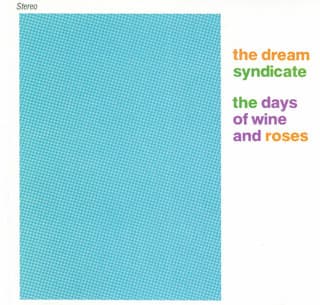
The Dream Syndicate
The Days Of Wine And Roses
1982
Cut fast and loud for Slash's Ruby imprint with Chris D. producing — the Velvets wing of the scene, and the record that set the template for the long feedback coda.
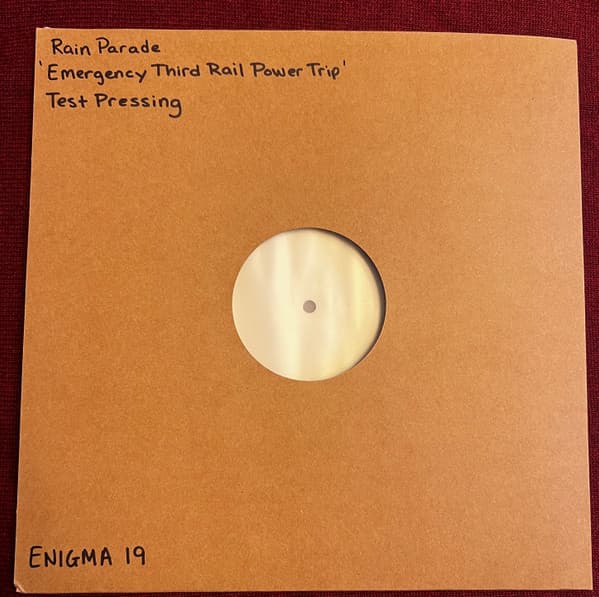
Rain Parade
Emergency Third Rail Power Trip
1983
Enigma in the US, Zippo in the UK. David Roback left straight after; the slide guitar and backwards tape here lead directly to Opal and then Mazzy Star.
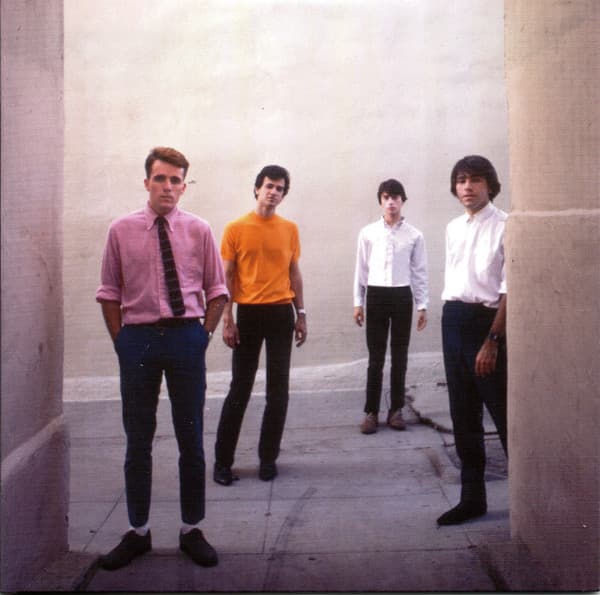
The Three O'Clock
Sixteen Tambourines
1983
Frontier FLP 1012, October 1983, produced by Earle Mankey. Quercio named the scene and then made the least guitar-led record in it — organ, strings and horns up front. "Jet Fighter" went national on college radio.
The Bangles
All Over The Place
1984
The Columbia debut, before "Manic Monday": four-part harmony, David Kahne production, a Kimberley Rew cover in "Going Down To Liverpool", and "Hero Takes A Fall" — reportedly aimed at Steve Wynn.
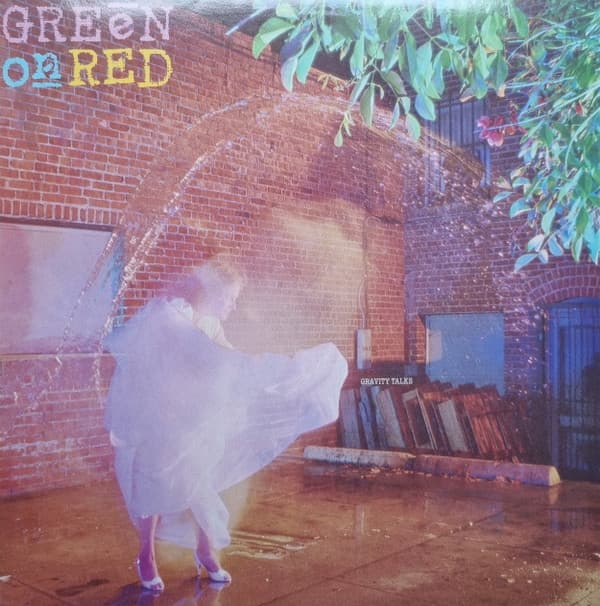
Green on Red
Gravity Talks
1983
Tucson transplants on Slash. Chris Cacavas's organ instead of jangle, Dan Stuart half-shouting — and their apartment was the scene's hangout.
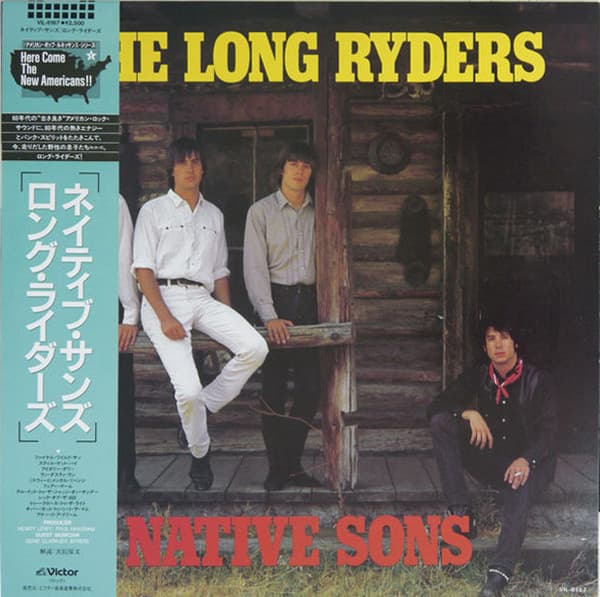
The Long Ryders
Native Sons
1984
Frontier, October 1984. Sid Griffin pushed the scene toward country-rock; Gene Clark sings backing vocals on "Ivory Tower", a direct handshake from the Byrds.