Philadelphia Emo & Indie
Twinkly guitars, cracked voices and basement reverb — a decade of DIY records cut by friends in rowhouses.
What you're really asking
You're asking about a city, not a genre. Between roughly 2008 and 2016 a few dozen people in West and North Philly recorded each other, released each other, and slept on each other's floors — and the records came out sounding like the rooms they were made in.
The guitars borrow from Cap'n Jazz and the voices don't hide the strain, but the real through-line is the infrastructure: cheap rent, one church basement, two or three labels run from bedrooms.
Where it sits
Philadelphia had the venue before it had the bands: R5 Productions booking all-ages shows in the First Unitarian Church basement since the late '90s. Algernon Cadwallader formed in 2005 out of Yardley, PA, and their 2008 debut Some Kind Of Cadwallader went out on Be Happy Records — recorded by guitarist Joe Reinhart, with the first vinyl pressing split across Marika Records, Security Blanket and Chupacabra, the Marika run limited to 300.
That band's circle became the scene's spine. Reinhart later co-founded Headroom Studios in Philadelphia and joined Hop Along; he eventually recorded Modern Baseball's Holy Ghost there.
Lame-O Records was founded in 2012 by Eric Osman, Modern Baseball's manager, specifically to release Sports. House venues — Golden Tea House, Danger Danger — carried the rest.
By 2015 the city was exporting to Saddle Creek, Run For Cover and Polyvinyl.
The scene
Who: Joe Reinhart and Peter Helmis (Algernon), Frances and Mark Quinlan (Hop Along), Brendan McHugh (Everyone Everywhere), Jake Ewald and Bren Lukens (Modern Baseball), Eric Osman at Lame-O, Kyle Pulley at Headroom.
What: looping, unmuted guitar figures over fast drums, vocals pushed past comfort, lyrics naming streets and group chats. Sports was tracked in Drexel University's studios; Everyone Everywhere's second album was cut over three seasons in West Chester.
How it works: a record gets in if someone in the circle recorded it, released it, or played on it. The records are first pressings of a few hundred, sold at the merch table.
The leading records
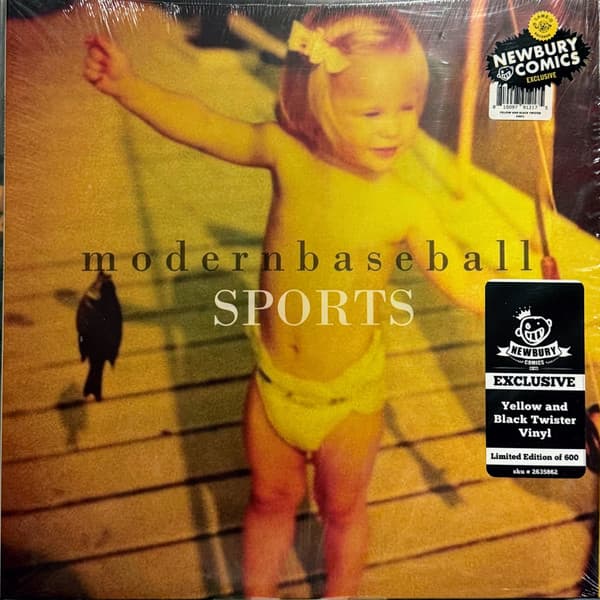
Modern Baseball
Sports
2012
Self-produced at their college studio and issued as Lame-O's catalogue number one — the label exists because of this record.
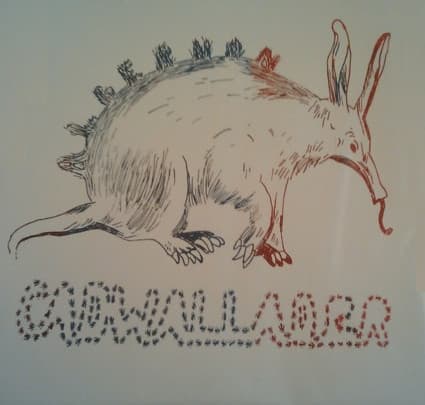
Algernon Cadwallader
Some Kind Of Cadwallader
2008
Reissued on colour vinyl for its tenth anniversary by Lauren/Asian Man; the guitar figures here got copied for a decade.

Everyone Everywhere
Everyone Everywhere
2010
The Tiny Engines self-titled — same band name, same album title, two different records, and this is the first one.
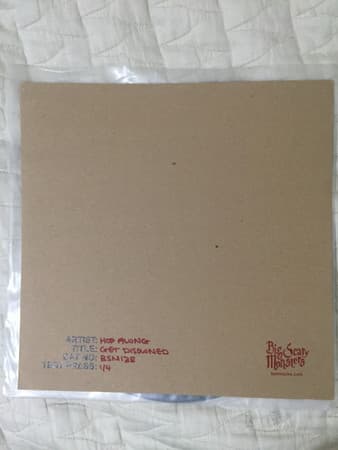
Hop Along
Get Disowned
2012
Out on Hot Green in the US and Big Scary Monsters abroad, then pulled back into print by Saddle Creek in 2016 — Frances Quinlan's voice reset what Philly could sound like.
Snowing
I Could Do Whatever I Wanted If I Wanted
2010
Twenty-six minutes, shouted and over too soon; the band broke up a year later and the record kept touring without them.
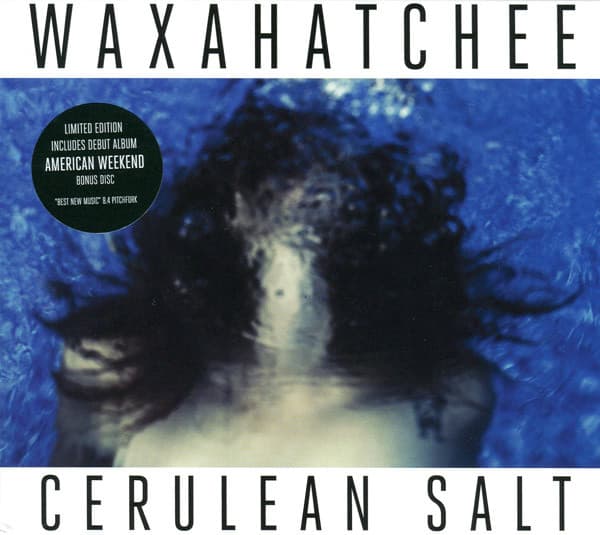
Waxahatchee
Cerulean Salt
2013
Katie Crutchfield recorded it in a West Philly house with the Swearin' crew — the scene's quiet, domestic side.
Oddballs
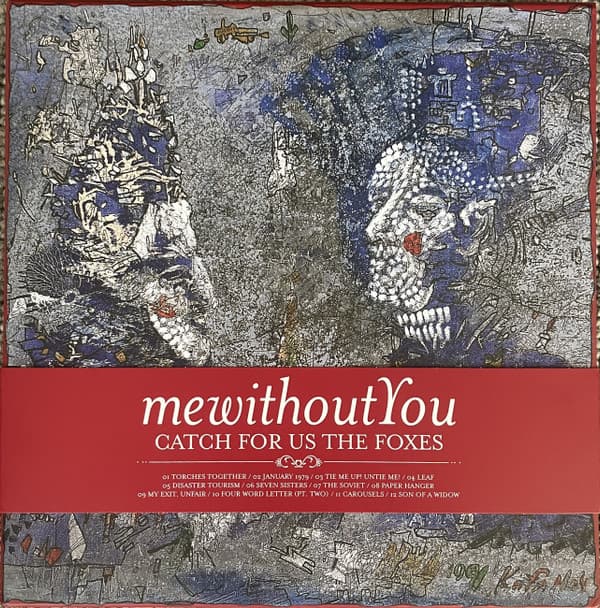
mewithoutYou
Catch for Us the Foxes
2004
The Philly emo record that predates the revival — spoken-shouted, biblical, and nothing like what followed it.
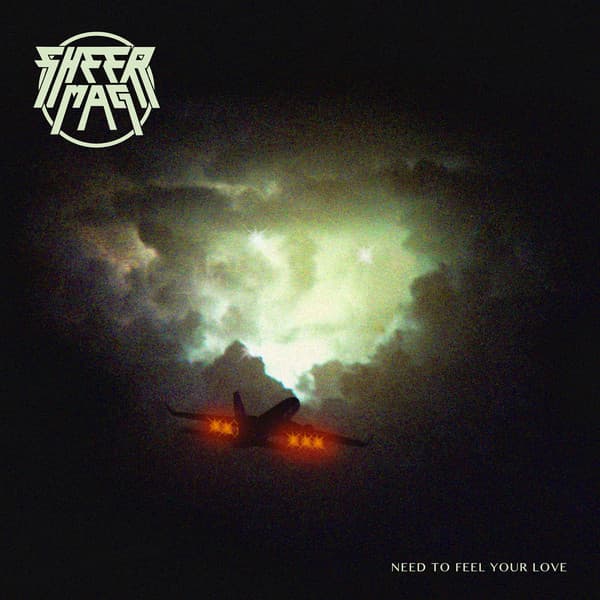
Sheer Mag
Need to Feel Your Love
2017
Same houses, same amps, but routed through Thin Lizzy harmonies and a blown-out 7" aesthetic.
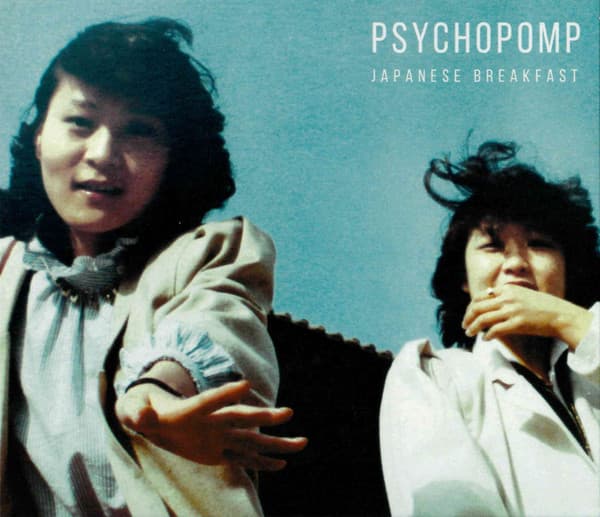
Japanese Breakfast
Psychopomp
2016
Michelle Zauner fronted Little Big League in Philly first; this is where the city's guitar scene let go of guitars.
Keep digging
- What else did Lame-O press after Sports?
- Which records came out of Headroom Studios?
- How do Philly and Midwest emo differ?