Philadelphia Soul
Strings, vibes and a four-on-the-floor hi-hat: the soul record that quietly built the disco floor.
What you're really asking
You're asking about a studio, not a style. One room on North 12th Street, one house band, two writer-producers and three arrangers made a few hundred records that all share the same furniture: sweet male group harmony out front, a rhythm section pushed hard, and a full orchestra doing the work a guitar does elsewhere.
It's soul music made like film score, and it's the direct ancestor of disco — the beat arrived here before the word did.
Where it sits
Philadelphia, 1967–1979. Kenny Gamble and Leon Huff started with Gamble Records and the Intruders, then Neptune through Chess, then founded Philadelphia International in 1971 on a distribution deal with CBS — a Black-owned label with major-label reach.
Joe Tarsia had opened Sigma Sound at 212 North 12th Street in 1968; almost everything was cut there. Thom Bell worked the parallel track, arranging the Delfonics for Stan Watson's Philly Groove, then the Stylistics and the Spinners.
By 1974 MFSB's "TSOP" was a number one pop single and the theme to Soul Train. A 1975 federal payola investigation hit the label hard.
Outsiders came to buy the room: David Bowie cut Young Americans at Sigma Sound. New York DJs took the long album cuts and built a different music out of them.
The scene
Who: Gamble and Huff writing; arrangers Thom Bell, Bobby Martin and Norman Harris; MFSB — Mother Father Sister Brother — as house band, with Earl Young on drums, Ronnie Baker on bass, Vince Montana on vibes, Dexter Wansel later on keys.
What: vocal groups, not solo stars. Ballads that run seven minutes.
Lyrics that go political without raising their voice. Young's open hi-hat on "The Love I Lost" is widely credited as the pattern disco ran with.
How it works: a record gets in if it came out of Sigma with that rhythm section on it — which means session instrumentals and B-sides count as much as the hits.
The leading records
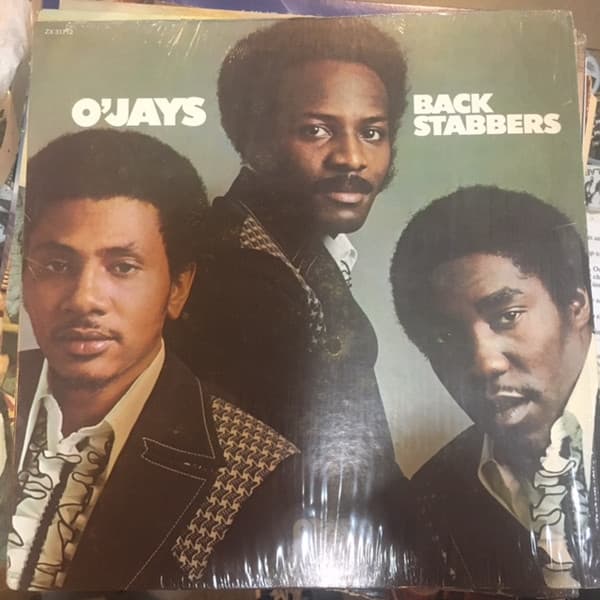
The O'Jays
Back Stabbers
1972
A Cleveland group five years into obscurity, handed paranoia and strings — the album that proved PIR could sell albums, not just 45s.
Harold Melvin & The Blue Notes
Harold Melvin & The Blue Notes (orig. I Miss You)
1972
Thom Bell arranged the eight-and-a-half-minute "I Miss You"; Teddy Pendergrass came off the drum stool to sing it.

MFSB
Love Is The Message
Philadelphia International · 1973
The house band under its own name. The title track became the record Levan and Mancuso played to close the room, not the hit single on side one.
Read more →
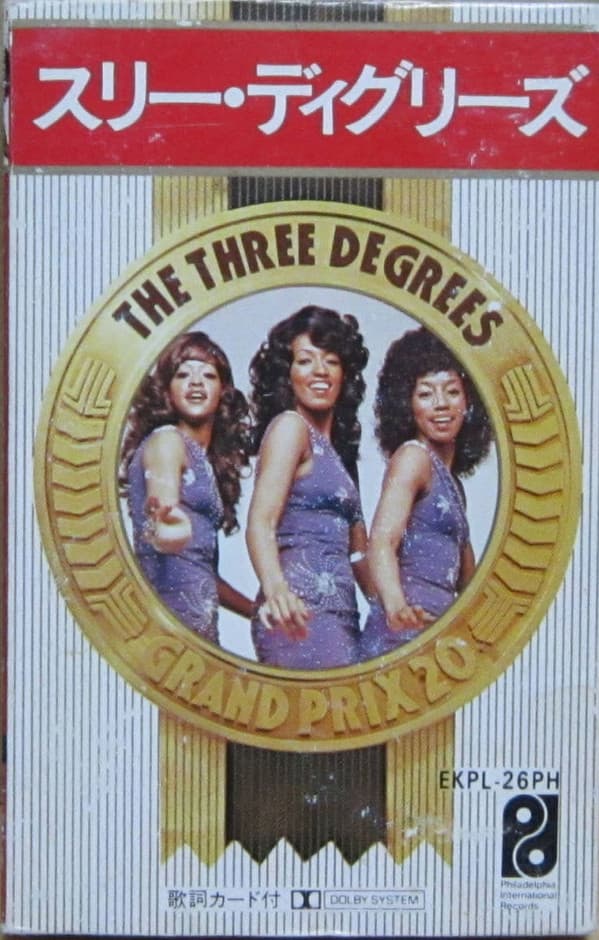
The Three Degrees
The Three Degrees
1974
The voices on "TSOP" get their own album — and "When Will I See You Again," Gamble & Huff writing as if for a girl-group single ten years too late.
Billy Paul
360 Degrees Of Billy Paul
1972
A jazz singer who'd cut for Gamble since the 60s; "Me And Mrs. Jones" gave the label its first pop number one and its most adult three minutes.
The Delfonics
La La Means I Love You
1968
Pre-PIR, on Stan Watson's Philly Groove: Thom Bell's first full statement, French horn and harp against falsetto. The template everyone else filled in.
Oddballs

Dexter Wansel
Life On Mars
1976
The MFSB keyboard player given an album and a Moog. Philadelphia International goes cosmic jazz-funk, and the strings follow him out there.
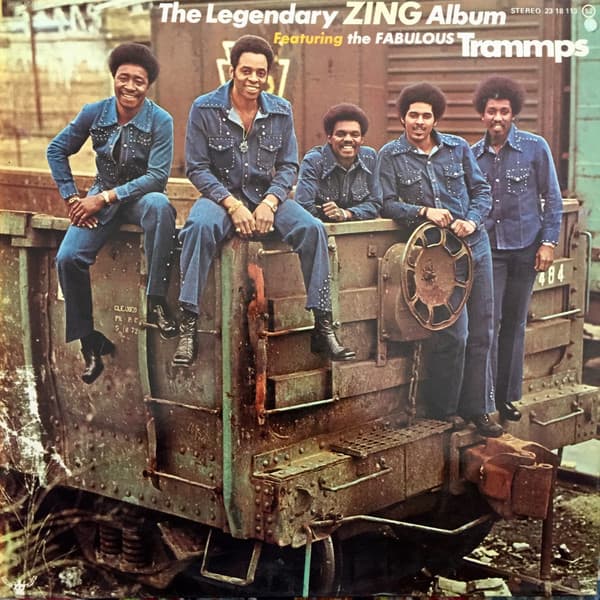
The Trammps
The Legendary Zing Album
1975
Earl Young steps out from behind the Blue Notes' kit to sing lead on a 1930s Judy Garland tune. The drummer who built the beat, fronting it.