Reykjavík Experimental
A town the size of a suburb that keeps producing music that sounds like landscape.
What you're really asking
Reykjavík's scene works like a small-town rumor network with world-class ambition: everyone has played in everyone's band, and the records keep mistaking weather for emotion — in the best way.
Where it sits
The Sugarcubes and the Bad Taste (Smekkleysa) collective put the town on the map in the late eighties; Björk's solo run from Debut to Homogenic made Icelandic experimentalism a global currency.
Sigur Rós's Ágætis byrjun in 1999 added the glacial post-rock wing, múm the crackling electronics, GusGus the house-not-house collective. The 12 Tónar shop and Airwaves festival keep the loop running.
The scene
Who: Björk as the north star, the Smekkleysa circle, Sigur Rós's studio world. What: electronics and orchestras treated as the same instrument; voices that break like ice.
How it works: small pressings from a small country — Icelandic originals travel badly and price accordingly.
The leading records
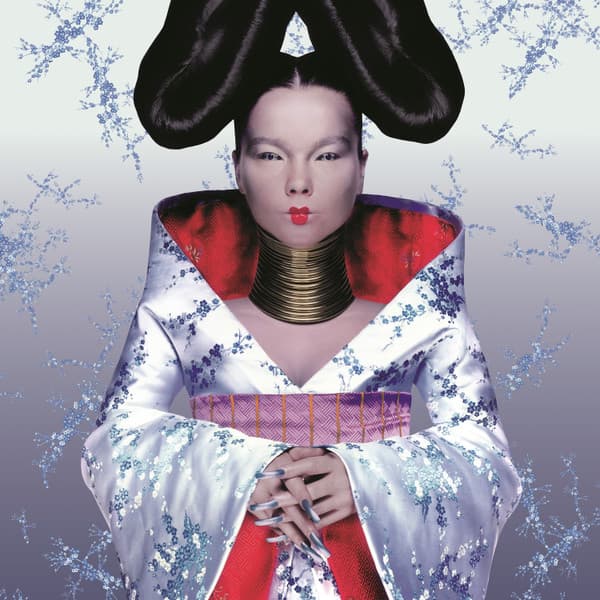
Björk
Homogenic
1997
Strings and beats fused into weather — her most collected statement.
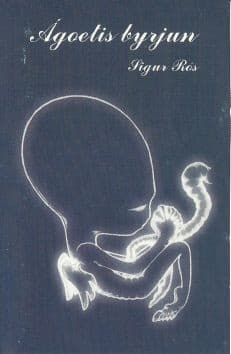
Sigur Rós
Ágætis Byrjun
1999
The bowed-guitar cathedral; post-rock's emotional ceiling.
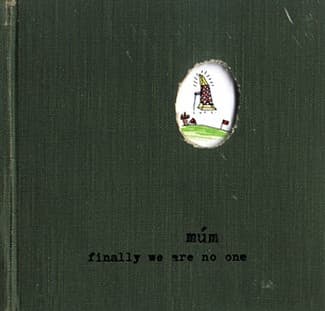
Múm
Finally We Are No One
2002
Lullaby electronics — glitch with mittens on.

GusGus
Polydistortion
1997
The collective as nightclub: Reykjavík house with film-school eyes.
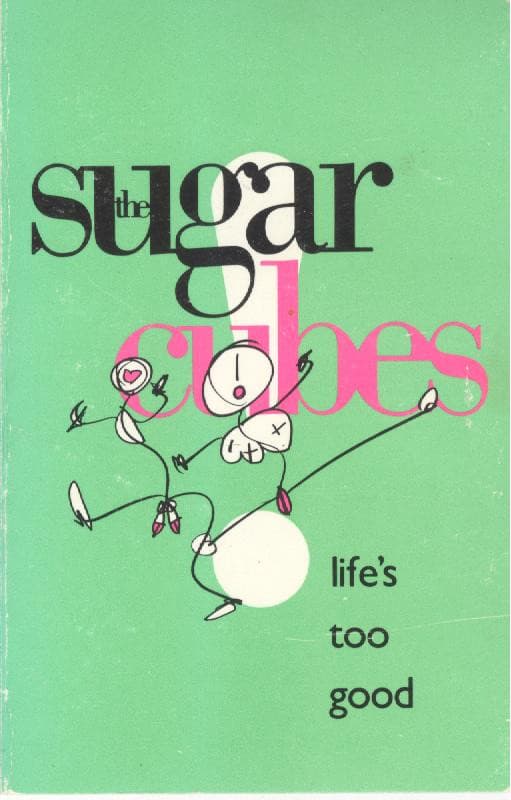
The Sugarcubes
Life's Too Good
1988
Where the whole export industry starts.
Oddballs

Keep digging
- What is Smekkleysa / Bad Taste?
- Where did Icelandic music go after Sigur Rós?
- Which Björk pressings are actually rare?