Richmond Hardcore
Southern punk with a hoarse throat and a bad liver: Grace Street basements, melodic rage, screamo fallout.
What you're really asking
You're asking about a city, not a style. C.
satellite and it isn't — the bands there built a sound shot through with country, folk and Southern rock, and the city carries one of the South's oldest punk scenes. What ties Avail to City of Caterpillar isn't tempo, it's address: cheap rent, one club on Grace Street, and everyone playing in each other's bands.
Where it sits
Richmond had hardcore before it had a name for it — White Cross, Honor Role, Death Piggy, Four Walls Falling through the 80s, with Benny's near VCU as an anchor. The hinge was 1990: Avail, formed in Reston in 1987, relocated to Richmond and issued Satiate in 1992.
Tim Barry's account of that first visit — four venues on one street running shows the same night — is the scene's origin story. Twisters at 929 West Grace became the room that broke Avail, Lamb of God and Four Walls Falling.
Inquisition ran 1991–96 and seeded Strike Anywhere, River City High and Ann Beretta. Labels did the rest: Jade Tree and Lookout!
C. — Frodus, Sleepytime Trio, Engine Down.
By 2002 the screamo wing had taken over.
The scene
Who: Tim Barry and Beau Beau Butler for Avail, Thomas Barnett carrying Inquisition into Strike Anywhere, Brian Lowit running Lovitt, Chris Boarts Larson documenting it in Slug & Lettuce, Vinyl Conflict on Pine Street holding the archive.
Where: Twisters, later the Nanci Raygun and Strange Matter; Alley Katz; house shows, which Richmond treated as the default, not the fallback. What: gang vocals over a Southern-rock swing, octave chords, lyrics naming actual streets.
How a record gets in: everybody in it lived there, pressed it on an East Coast indie, and toured it in a van until the drums were loose.
The leading records
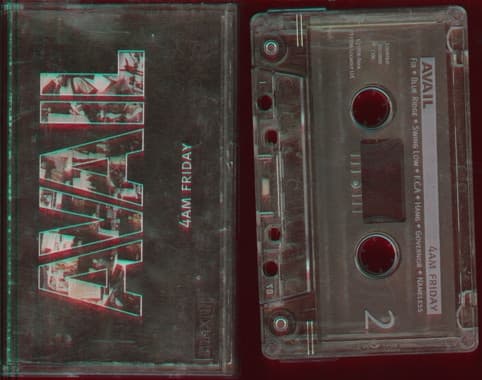
Avail
4AM Friday
1996
Lookout! pressed it, but it's a Richmond document — Tim Barry's hollered geography set the template every RVA band argued with after.
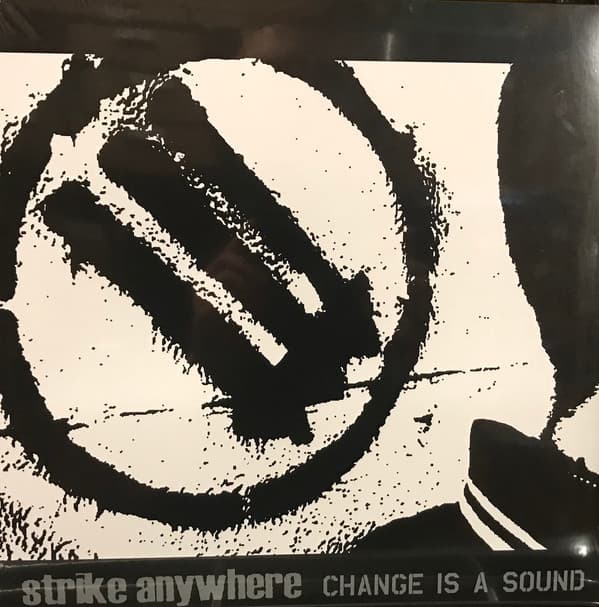
Strike Anywhere
Change Is A Sound
2001
Barnett's post-Inquisition band, named after an Inquisition song — melodic hardcore with an anarchist pamphlet taped to the sleeve.
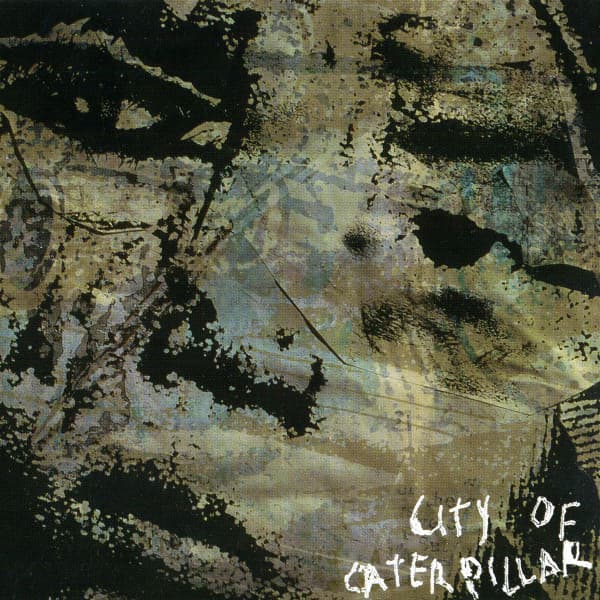
City Of Caterpillar
City Of Caterpillar
2002
The pg.99 diaspora's long-form record: four-minute post-rock builds that snap into screaming. Level Plane, and repressed many times since.
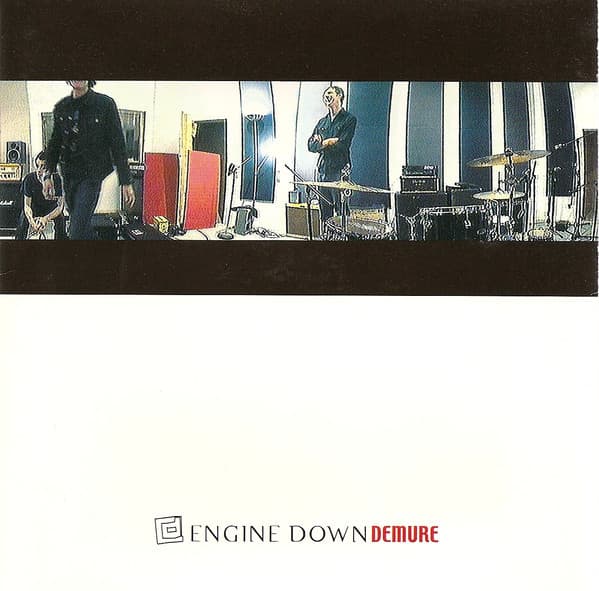
Engine Down
Demure
2002
Third Lovitt LP, the one where the 6/8 rhythms and cello and vibraphone arrived — they were the label's biggest band and knew it.
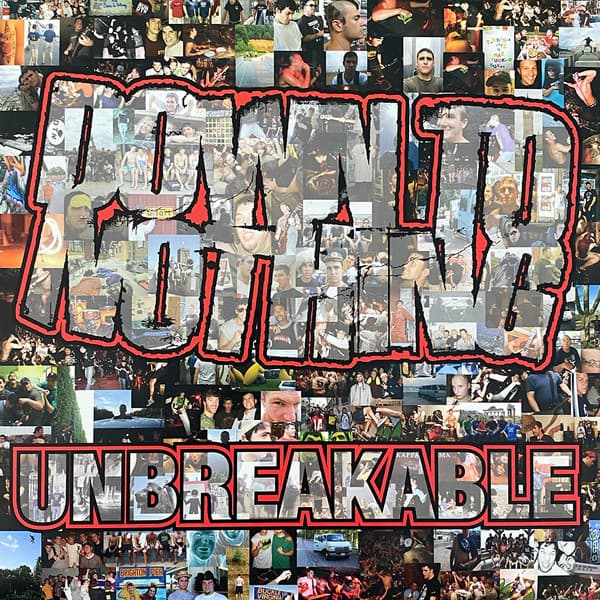
Down To Nothing
Unbreakable
2007
The other Richmond — youth-crew stomp, no Southern swing, moshed into the Nanci Raygun when the emo bands had cleared out.
Four Walls Falling
Culture Shock
1991
Straight edge, Grace Street regulars, the band that proves Richmond was running hardcore before Avail arrived.
Oddballs
Rah Bras
Ruy Blas!
2001
Keytar, synth and drums, three vocalists — Lovitt put it out alongside Engine Down, which tells you the label's rules were about people, not genre.
Burn The Priest
Burn The Priest
1999
The band that became Lamb of God, still sludgy and unreadable, recorded while sharing bills with punk bands at the same addresses.
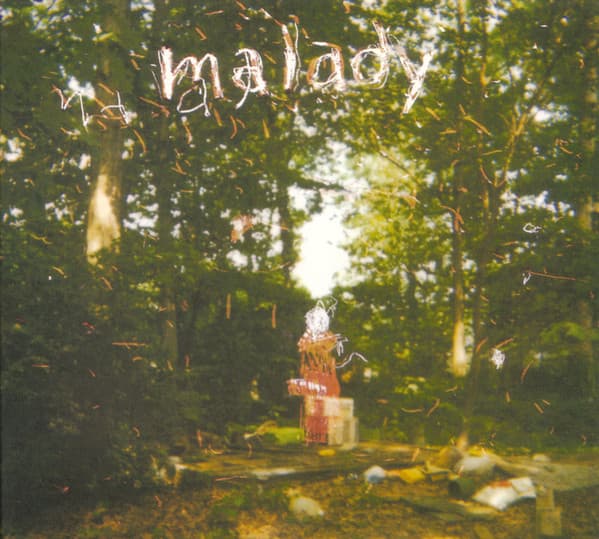
Malady
Malady
2004
pg.99's Chris Taylor with City of Caterpillar's Jeff Kane, one LP and gone — the scene's short-life side project habit in one record.
Keep digging
- What did Lovitt Records press beyond Engine Down?
- How does pg.99 and NoVa screamo connect in?
- Which Avail pressings are original Catheter-Assembly or Jade Tree?