San Francisco Psychedelia
Ballroom bands who stretched blues and folk into twenty-minute jams, pressed before anyone edited them down.
What you're really asking
You're after the records made by bands who played to dancers, not listeners. The defining trait isn't fuzz or phasing — it's duration: songs built to go where the room went, then squeezed onto an LP side afterwards.
Half of what you want was a live act first and a studio product second, and the pressings carry that.
Where it sits
It starts in summer 1965 at the Red Dog Saloon in Virginia City, Nevada, where the Charlatans played in Victorian dress to a crowd on LSD — still legal in California until October 1966.
The Family Dog ran the first dances at Longshoreman's Hall that October. Ken Kesey's Acid Tests, late 1965 into 1966, used the Grateful Dead as house band.
Bill Graham took the Fillmore Auditorium, Chet Helms took the Avalon Ballroom, and Rick Griffin, Stanley Mouse, Alton Kelley and Victor Moscoso made the posters. Major labels arrived fast: RCA signed Jefferson Airplane, Columbia took Big Brother and Moby Grape, Warner Bros.
took the Dead, Capitol took Quicksilver. By 1969 the ballrooms were slipping and the bands were touring arenas.
The scene
Who: the Dead, Airplane, Quicksilver, Big Brother, Moby Grape, Country Joe; the Fillmore, the Avalon, the Matrix, Winterland; Owsley Stanley building the PA and the chemistry both. What: long modal jams off blues and jug-band bones, two guitars trading rather than one soloing, close male-female harmony, very little studio trickery compared to London.
Rules were loose — tempo could drift, endings were optional. How a record gets in: it has to sound like a room.
Either cut live, cut fast, or arranged so a side runs unbroken.
The leading records
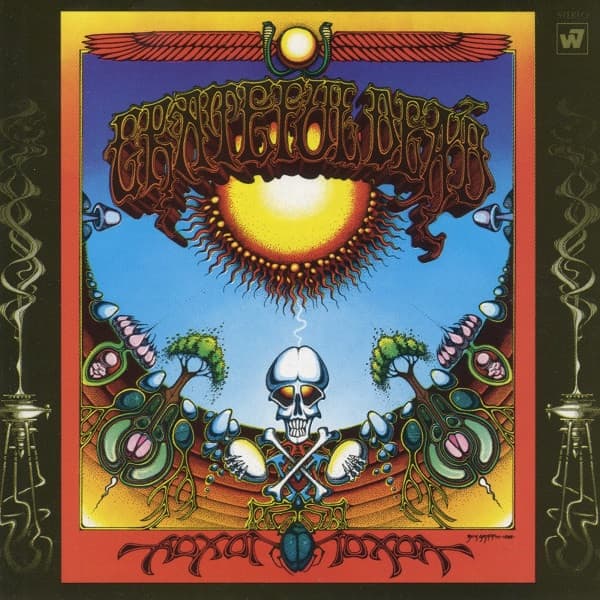
Grateful Dead
Aoxomoxoa
1969
Recorded at Pacific Recording in San Mateo on one of the first 16-track machines — so they used every track, then spent months and a reported six-figure bill; Garcia and Lesh remixed it leaner in 1971.
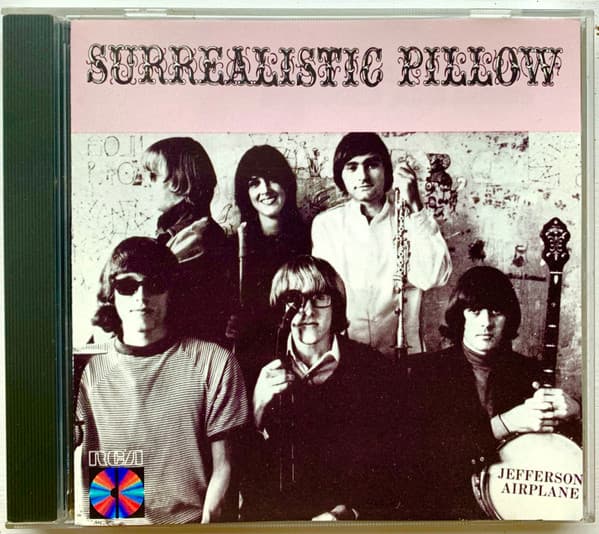
Jefferson Airplane
Surrealistic Pillow
1967
Grace Slick's first album with the band, bringing "Somebody to Love" and "White Rabbit" over from The Great Society; Jerry Garcia is credited as "musical and spiritual adviser".
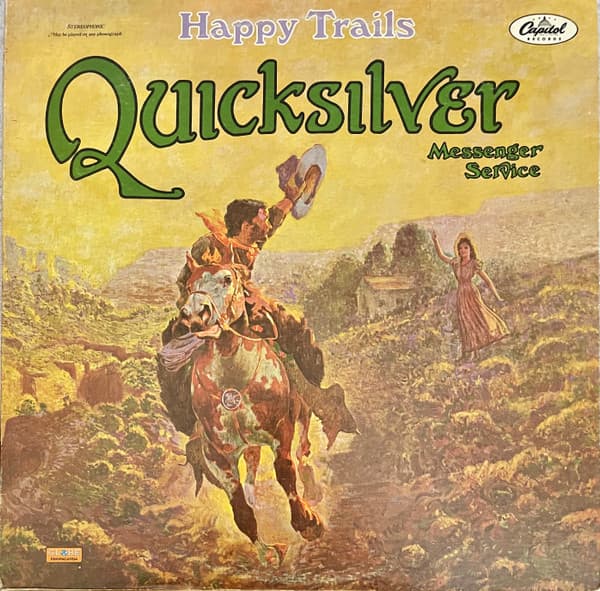
Quicksilver Messenger Service
Happy Trails
1969
Side one is a Bo Diddley cover stretched into a 25-minute live suite from the two Fillmores — the clearest document of what a ballroom set actually did to a song.
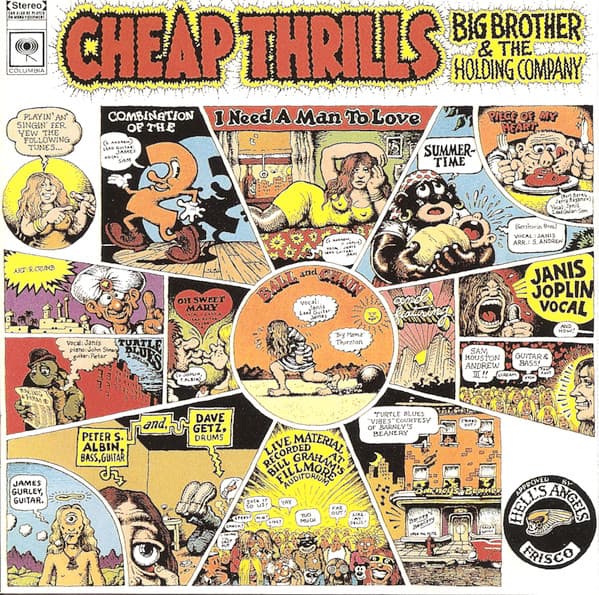
Big Brother & The Holding Company
Cheap Thrills
1968
Columbia vetoed the title "Sex, Dope and Cheap Thrills" and kept the Robert Crumb cover; John Simon cut most of it in the studio, then crowd noise went on top to fake the Fillmore.
Moby Grape
Moby Grape
1967
Three guitarists, five writers, no filler — and Columbia released five singles from it on one day, which killed it commercially before it started. Early copies show Don Stevenson's middle finger on the washboard.
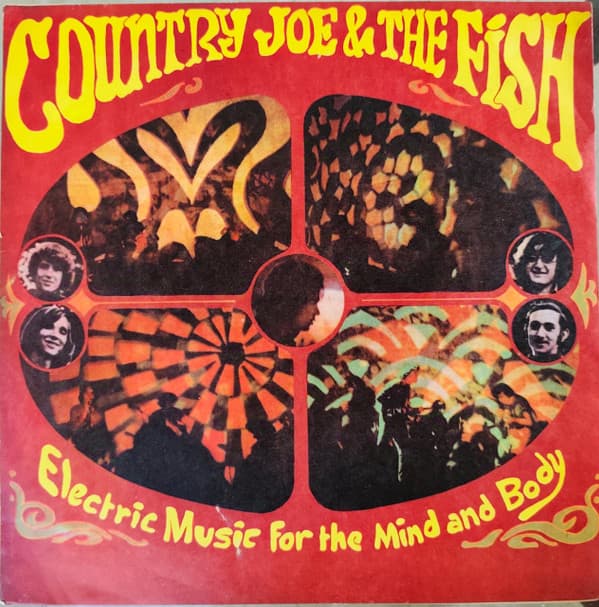
Country Joe & The Fish
Electric Music for the Mind and Body
1967
Berkeley rather than the Haight: organ-led, politically sharp, and the closest the scene got to putting the drug experience into the arrangement instead of the lyrics.