Sheffield Electronic
Steel-city synths: from tape-loop industrial in a cutlery workshop to the bleep techno that started Warp.
What you're really asking
You're asking about a city, not a genre — and that's the point. One small circle of Sheffield people passed the same machines, studios and bandmates around for fifteen years, and it came out as musique concrète, as number-one pop, as techno.
Trace the personnel and the whole thing is one continuous argument about what a machine is for.
Where it sits
Sheffield, 1977. Chris Watson financed a studio on the second floor of the Western Works building on Portobello Street; it housed Cabaret Voltaire for years, doubled as the local scene's meeting room, and produced early recordings by Clock DVA, the Human League and New Order.
The Future fractured first — Ware and Marsh brought in Philip Oakey and became the Human League, while Adi Newton left to form Clock DVA. Neutron Records gathered four local groups on the 1980 EP "1980: The First Fifteen Minutes."
F. and Heaven 17 to Virgin, Oakey kept the name and sold millions.
A decade on, Steve Beckett, Rob Mitchell and Robert Gordon started Warp out of the FON shop and studio in 1989, opening with Forgemasters' "Track With No Name" and a stripped bass-and-bleep sound.
The scene
Who: Kirk, Mallinder and Watson at Western Works; Ware, Marsh, Oakey, Glenn Gregory; Adi Newton and Charlie Collins; later Robert Gordon, Winston Hazel and DJ Parrot, with the Limit Club and the Jive Turkey night as the rooms.
Cabaret Voltaire were Jive Turkey regulars as house arrived. What: cheap synths, tape, drum machines, and a flat affect inherited from the city — rhythm first, melody optional, treated voice over clean singing.
How it works: records get in by personnel and premises. If it was cut at Western Works or FON, or made by someone who was in a band with someone who was, it belongs.
The leading records
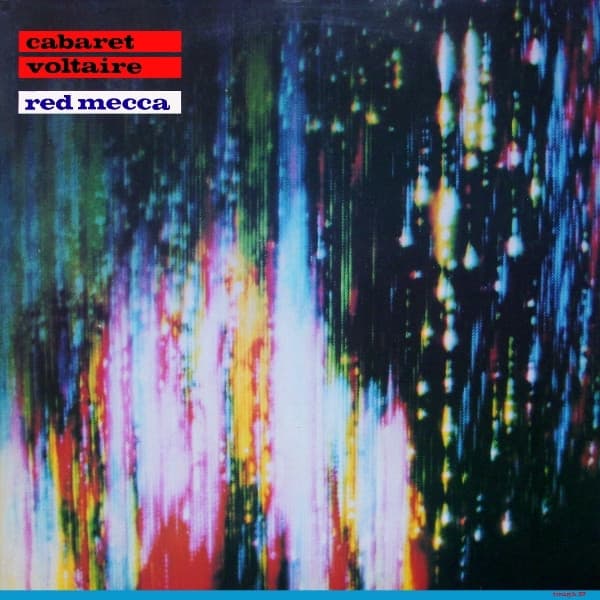
Cabaret Voltaire
Red Mecca
1981
Tape loops, dub bass and shortwave noise cut at Western Works — the room the rest of the city borrowed.
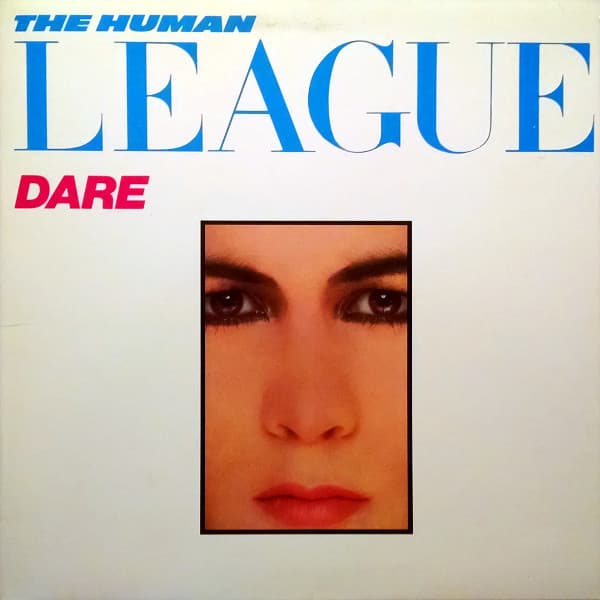
The Human League
Dare
1981
Oakey keeps the name after the split, hires two teenagers from a Sheffield disco, and takes synthesisers to number one.
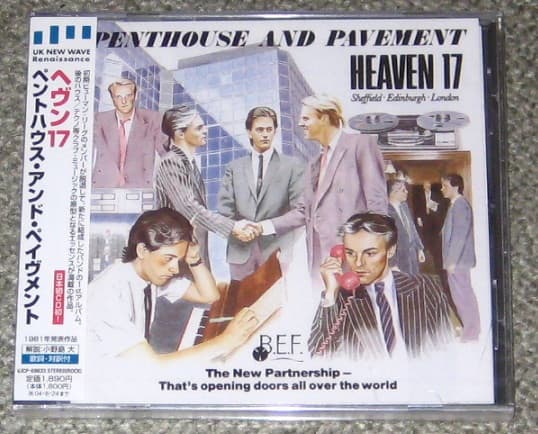
Heaven 17
Penthouse And Pavement
1981
Ware and Marsh's answer record: slap bass and real funk players bolted onto the same synths, sold as a corporation.
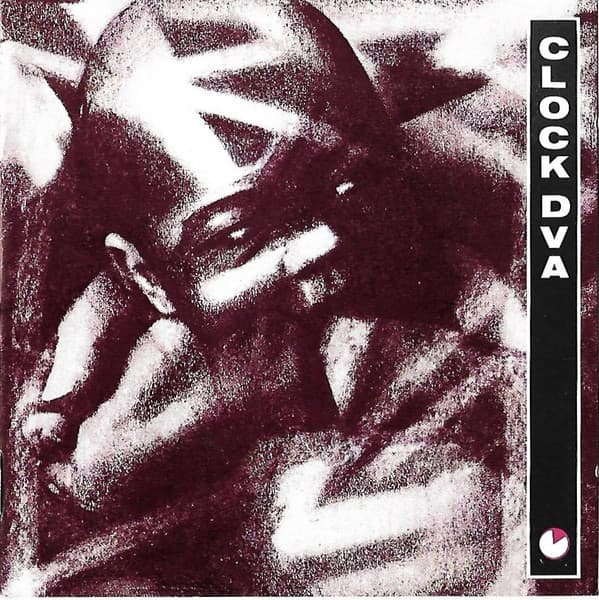
Clock DVA
Thirst
1981
Newton's group out of the improv phase into songs — Ken Thomas producing, Neville Brody sleeve, Fetish Records.

Forgemasters
Track With No Name
1989
Three FON shop colleagues, written in four hours at Gordon's home studio — Warp's WAP 1 and the start of bleep.