Shibuya-kei
Tokyo record-shop pop: bossa, yé-yé and samples rebuilt into lacquered 90s hits with perfect sleeves.
What you're really asking
This is not a sound, it's a shopping habit turned into records. Shibuya's record stores accounted for more than half of these acts' sales, and the music is what happens when a generation with money and import bins builds pop out of what it bought.
Ask what a Japanese band does with French yé-yé, Brazilian bossa, Burt Bacharach and a sampler, and you have the whole scene.
Where it sits
Tokyo, late 1980s into the 1990s. Two groups form the bedrock: Pizzicato Five, led by Yasuharu Konishi, and Flipper's Guitar, the duo of Kenji Ozawa and Keigo Oyamada, who started in British jangle and moved into sample-heavy work.
Flipper's were discovered by Zin Yoshida of Salon Music, who helped get them signed to Polystar in 1989. The term itself came from the press: the earliest known mainstream use was a November 1993 Apo magazine piece by Jiro Yamazaki, applied to acts charting on Oricon through sales at HMV Shibuya, Tower Records and Wave, who had no formal association and shared no common sound.
Labels followed: Oyamada founded Trattoria in 1992, platforming Venus Peter, Bridge and Kahimi Karie, alongside Konishi's Readymade and Crue-L. Matador and Grand Royal carried it to America mid-decade.
The scene
Who: Konishi and Maki Nomiya, Oyamada and Ozawa, Kahimi Karie, Takako Minekawa, Tomoyuki Tanaka; the shops on Shibuya's hills; Trattoria, Readymade, Crue-L, and later Escalator Records, run by Masashi Naka.
What: a cut-and-paste method drawing on 1960s yé-yé, lounge, bossa nova and sunshine pop, with artwork and videos pulling from British mod, Italian cinema, op-art and French new wave.
How a record gets in: the source material has to be foreign and specific, the arrangement has to be clean, the sleeve has to look designed before it looks played. Vocals sit light and close; the beat is usually borrowed.
The leading records

Pizzicato Five
Made In USA
1994
Matador's compilation of Japanese tracks — the sequence that taught America the scene existed.
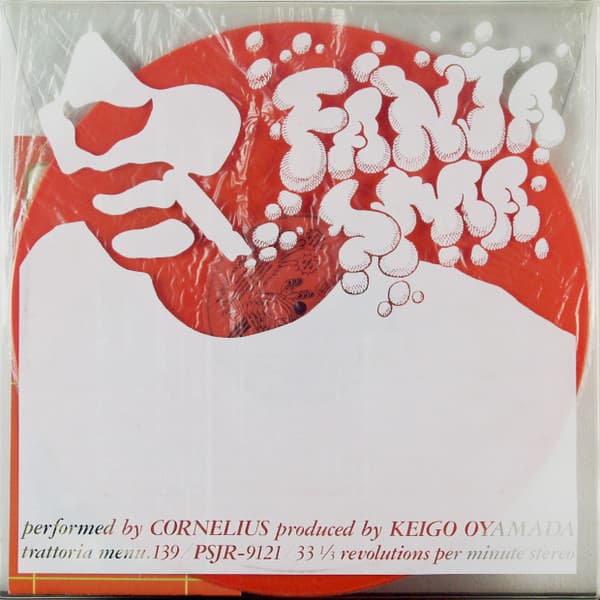
Cornelius
Fantasma
1997
Oyamada's headphone-mixed sample collage; the record that pushed the scene into plunderphonics.
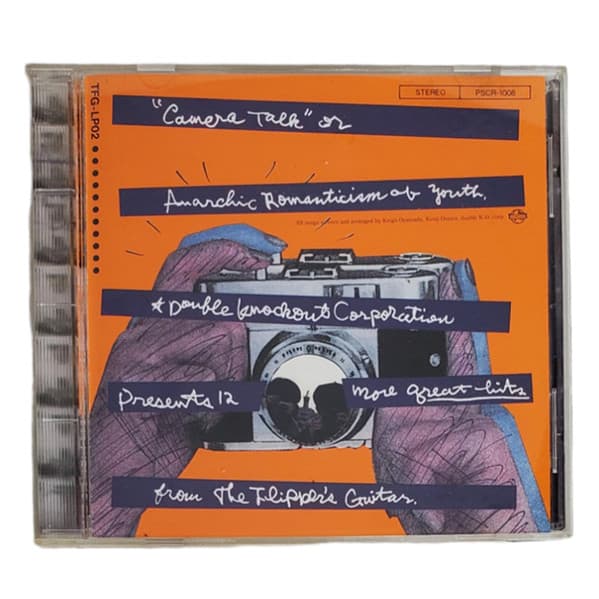
Flipper's Guitar
Camera Talk
1990
Neo-acoustic pop with strings and synths that became the template for Bridge, Nelories and Cymbals.
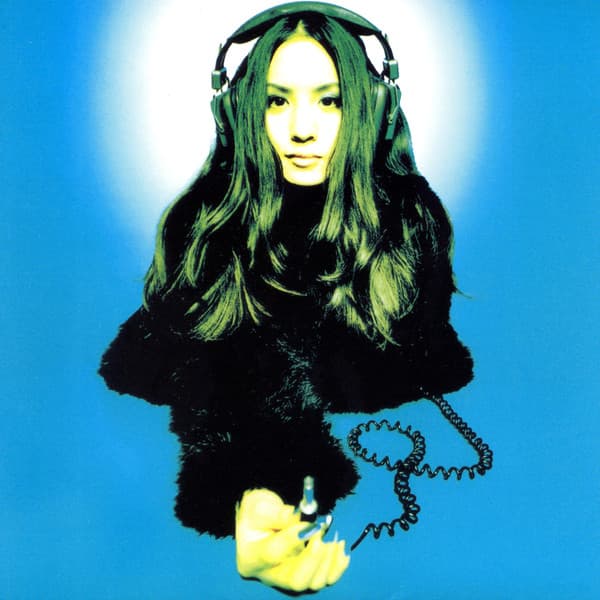
Kahimi Karie
My First Karie
1995
Her first Trattoria release, produced by Oyamada, hit #14 on Oricon — whispered French and English over studio-band pop.
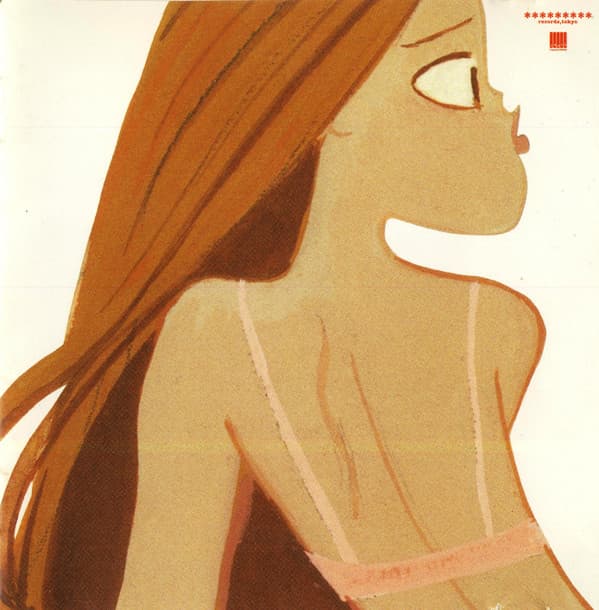
Fantastic Plastic Machine
The Fantastic Plastic Machine
1997
Tomoyuki Tanaka's Readymade debut: exotica and easy-listening records cut into club-ready pop.
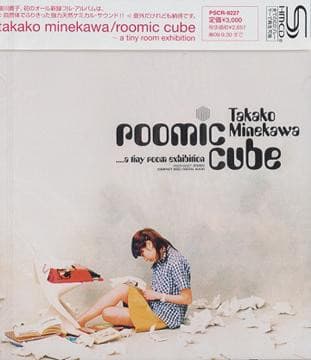
Takako Minekawa
Roomic Cube
1996
Toy keyboards and cat lyrics; the bedroom-electronic edge of the scene rather than the big-studio one.
Oddballs
Scha Dara Parr & Kenji Ozawa
Kon'ya wa Boogie Back
1994
A rap crew and the ex-Flipper's half scoring a mass hit — Scha Dara Parr got filed under Shibuya-kei by the same press.
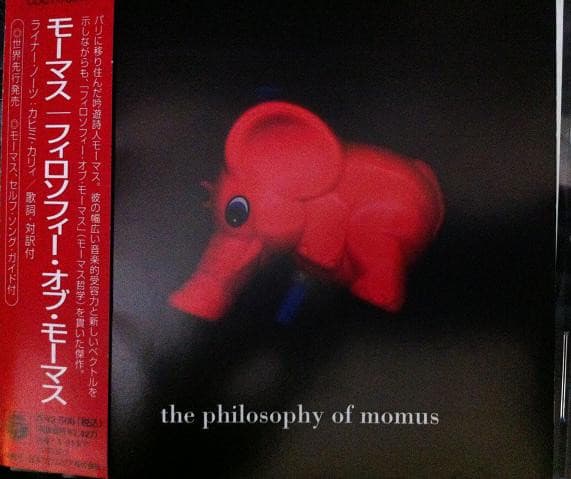
Momus
The Philosophy of Momus
1995
A Scot in Paris who wrote Kahimi's lyrics; his Japanese interests grew directly out of those collaborations.
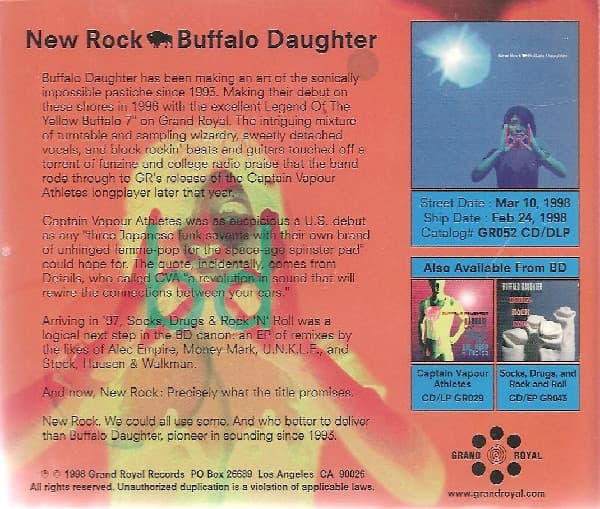
Buffalo Daughter
New Rock
1998
Krautrock drone and turntables on Grand Royal — proof the cut-and-paste habit could go loud and ugly.
Keep digging
- Which Trattoria catalogue numbers are worth chasing?
- What did Readymade press on vinyl?
- How does city pop feed into this?