Tokyo Hardcore
Burning spirits: Japan's hardcore aristocracy, where fury and musicianship are the same thing.
What you're really asking
Tokyo hardcore treats intensity as a craft handed down like swordsmithing. The bands play faster, mix louder and dress sharper than anyone — and the records are pressed like secrets.
Where it sits
M. set the mythology in 1984 with Detestation: metal leads over hardcore chaos, fronted by the terrifying Sakevi.
Gauze built the discipline — short songs, zero compromise, shows at Antiknock for decades. Lip Cream and Death Side defined the late-eighties 'Burning Spirits' sound: soaring guitar heroics welded to d-beat.
Small pressings on labels like ADK and Selfish made every original a relic.
The scene
M. as the menace, Death Side's Chelsea as the guitar saint.
What: hardcore with metal's ambition and punk's economy — songs end before they waste a second. How it works: originals trade at legend prices; bootlegs abound, which collectors learn to spot the hard way.
The leading records
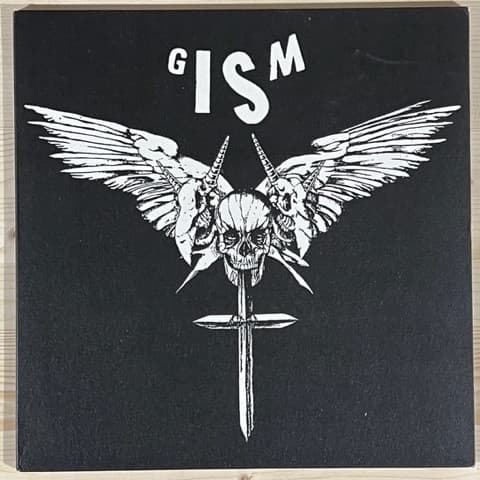
G.I.S.M.
Detestation
1984
The untouchable artifact — menace pressed into eight songs.
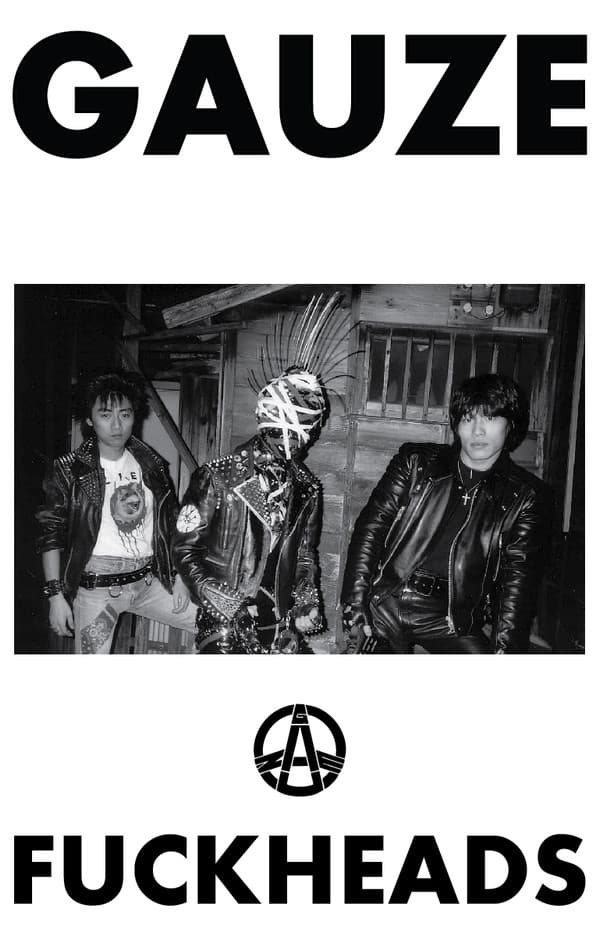
Gauze
Fuckheads
1985
Discipline as violence; Japan's strictest band at full speed.
Lip Cream
Kill Ugly Pop
1986
Burning Spirits taking shape — melody inside the storm.
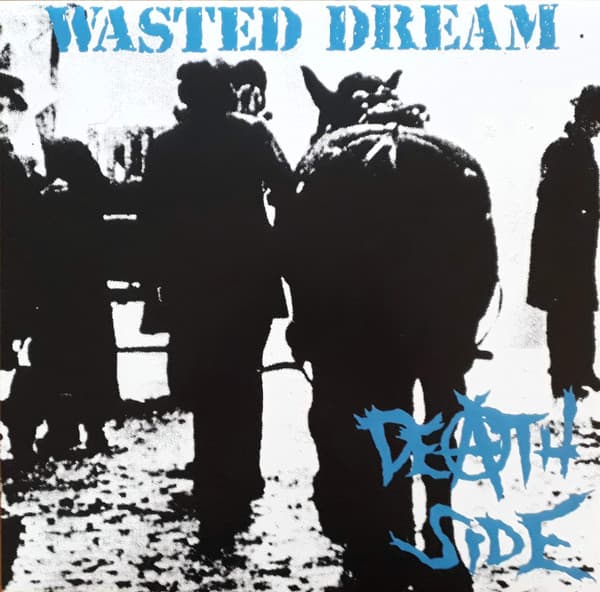
Death Side
Wasted Dream
1989
Chelsea's guitar turns d-beat into heroism.
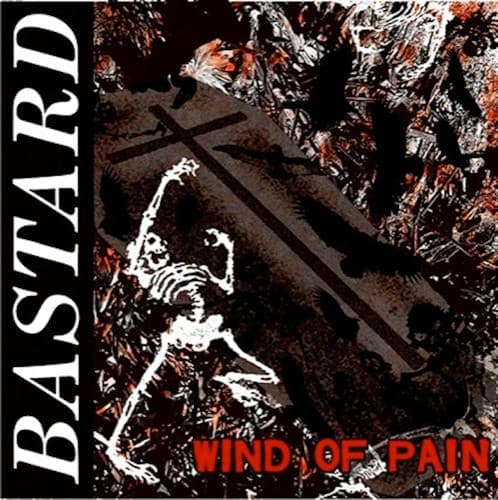
Bastard
Wind Of Pain
1991
The bridge to the nineties — groove without mercy.
Oddballs
Keep digging
- What does 'Burning Spirits' actually mean?
- How do you spot a G.I.S.M. bootleg?
- Where did Death Side's members go?