UK Lovers Rock
A close voice, a heavy bassline, and a room making space for tenderness.
What you're really asking
The singing is intimate, but the bass still belongs to a sound system. Lovers rock developed a British reggae language around romance, harmony and the emotional scale of soul music.
Women’s voices are central, not an occasional variation on a male roots story.
Where it sits
During the 1970s, Britain’s Caribbean communities built local reggae production and listening networks alongside their connections to Jamaica. Singers including Louisa Mark and later Janet Kay and Carroll Thompson became central to a developing lovers rock world.
Producers, independent labels and sound systems helped records circulate outside the mainstream. By the 1980s, Ariwa and other outlets widened the repertoire.
Romantic reggae existed elsewhere too; this scene follows the specifically British participants and infrastructure.
The scene
Who: Louisa Mark, Janet Kay, Carroll Thompson, Kofi, 15 16 17 and producers including Dennis Bovell. B.
Music and the relevant lovers rock side of Ariwa. What: harmonies, soul-informed phrasing, emotional directness and bass built for shared listening.
Dub is a neighbouring practice; not every Ariwa release is lovers rock.
The leading records
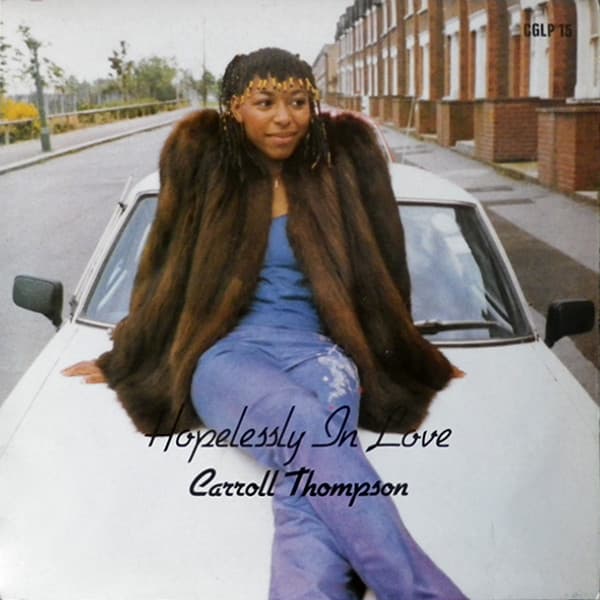
Carroll Thompson
Hopelessly In Love
1981
A strong album entrance into the scene’s songwriting and vocal world.
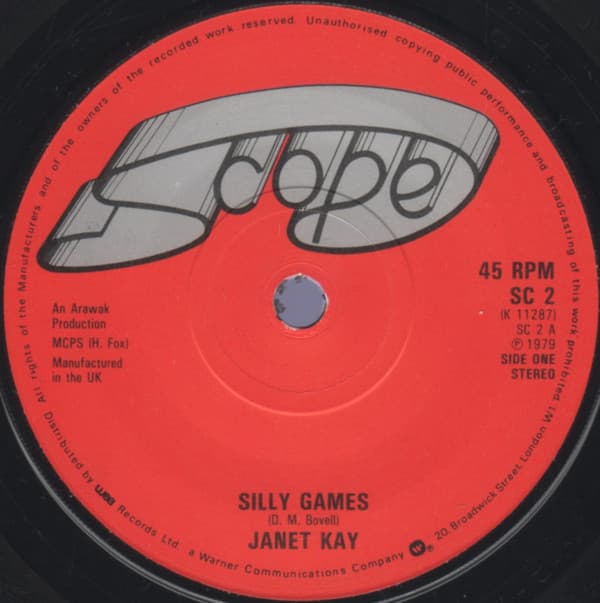
Janet Kay
Silly Games
1979
A distinctive voice and Dennis Bovell’s production meeting on a defining single.
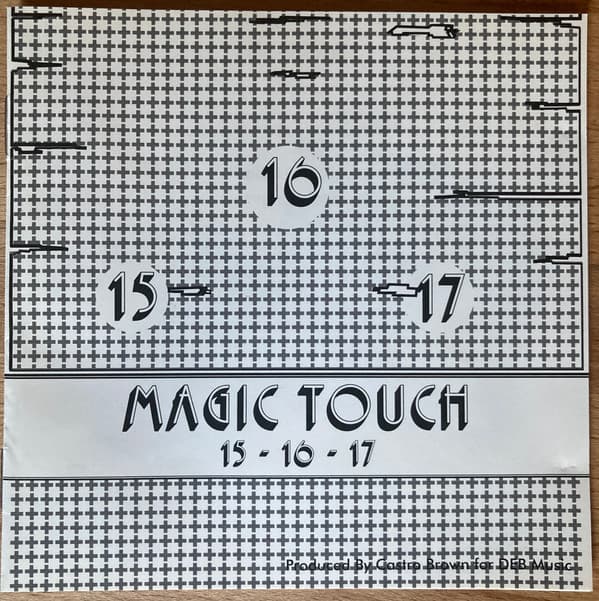
15 16 17
Magic Touch
2005
Group harmonies inside a local production network.
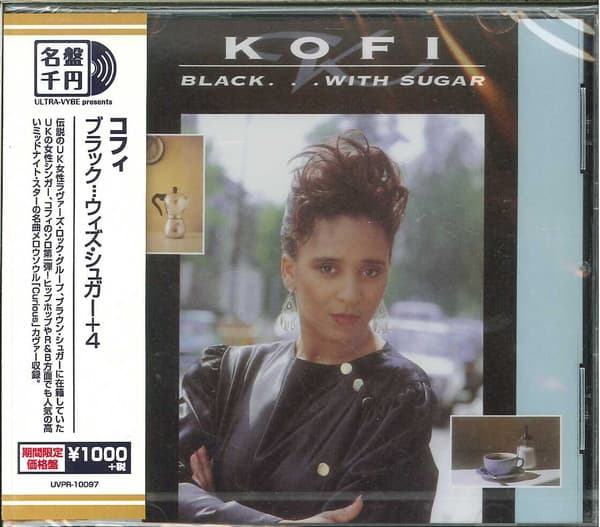
Kofi
Black… With Sugar
1989
A later Ariwa route through the British story.

Various
Harmony, Melody & Style: Lovers Rock In The UK 1975–1992
2012
A retrospective map; use its track credits to find the original records.
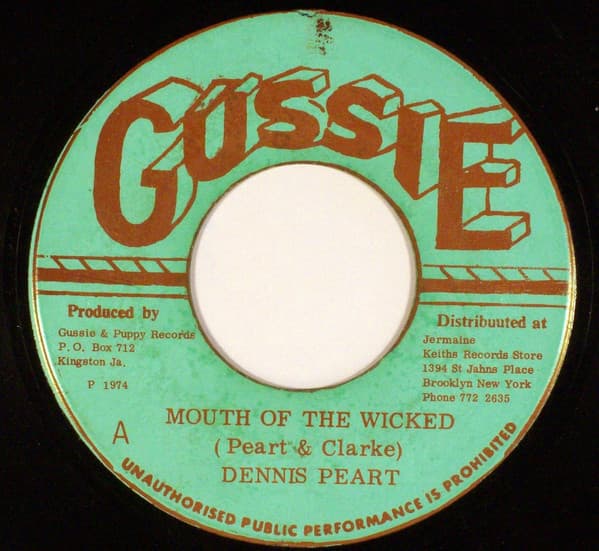
Louisa Mark
Caught You In A Lie
1975
Often cited as the first lovers rock record.
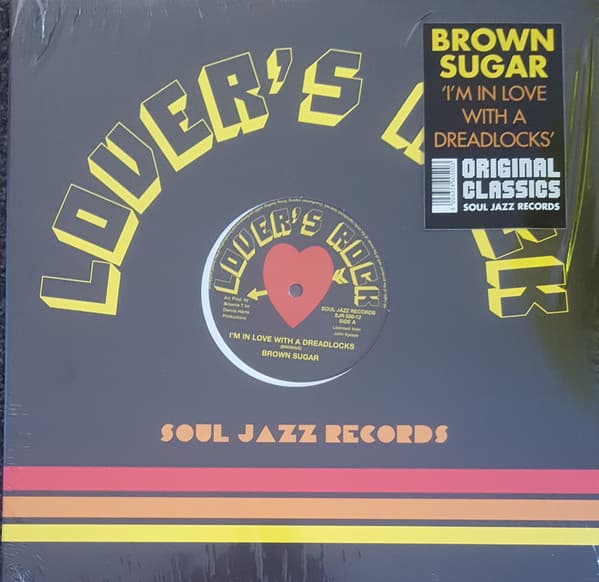
Brown Sugar
I'm In Love With A Dreadlocks
1977
An early scene anthem, with a young Caron Wheeler.
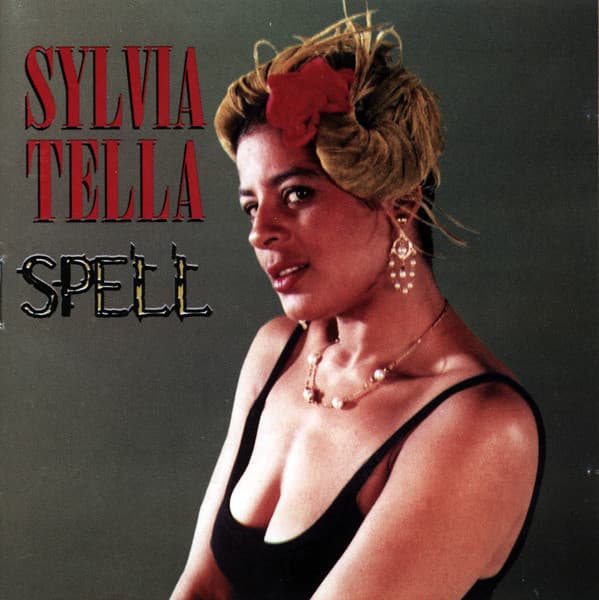
Sylvia Tella
Spell
1980
A singer central to the London scene.
Victor Romero Evans
Good Girls
1982
The playful, chart-adjacent side.
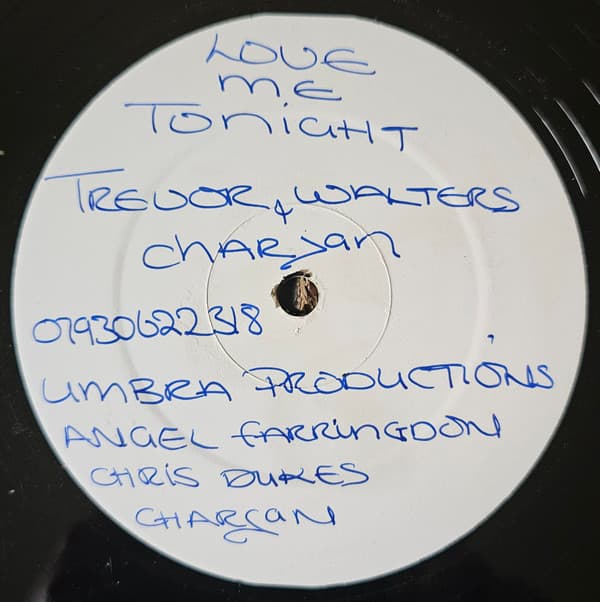
Trevor Walters
Love Me Tonight
1981
Smooth crossover from the same world.

Dennis Bovell
Brain Damage
1981
The producer who built much of the sound, on his own name.
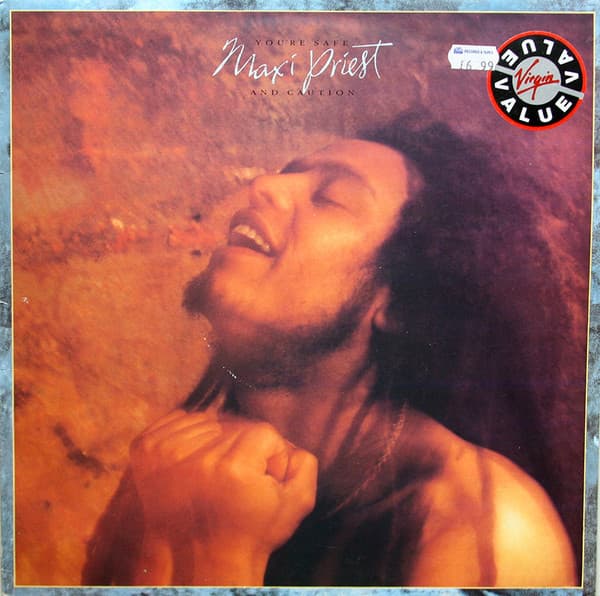
Maxi Priest
You're Safe
1985
Where lovers rock met pop success.
Oddballs
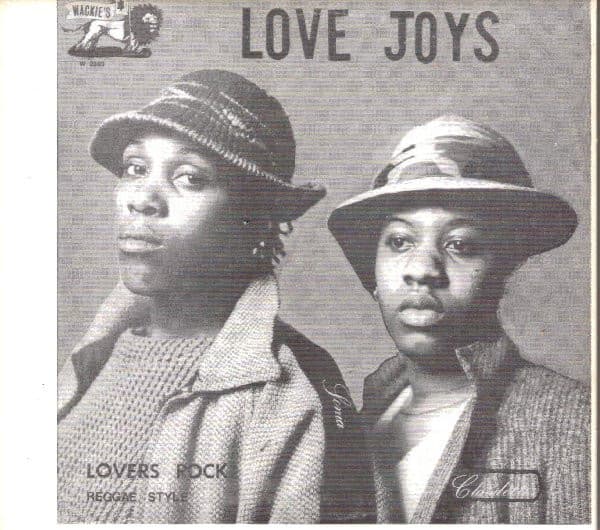
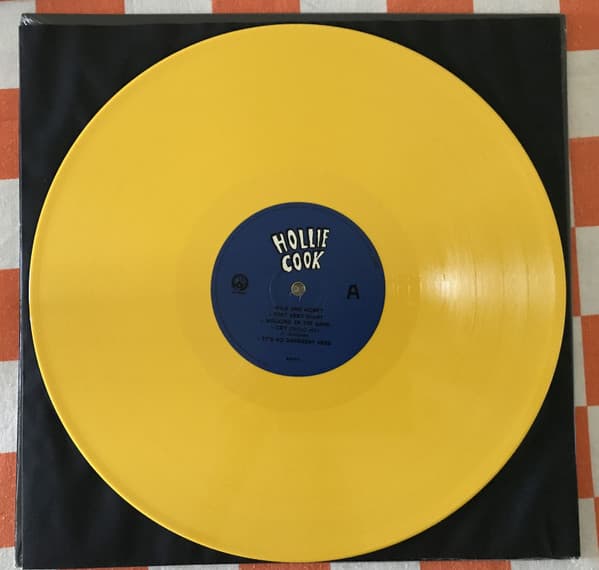
Keep digging
- Follow the women at the centre
- Dennis Bovell behind the singing
- The Ariwa lovers rock route
- British lovers rock and its overseas neighbours