Vienna Downtempo / G-Stone
The remix becomes a place to stay, not a shortcut to the dancefloor.
What you're really asking
The groove is relaxed but carefully built. Vienna’s downtempo world made room for dub space, hip-hop rhythm, jazz detail and tracks that unfolded at their own pace.
DJ selection and remixing were as important as the conventional artist album.
Where it sits
Peter Kruder and Richard Dorfmeister released G-Stoned in 1993 and established G-Stone in 1994. Their DJ-Kicks and The K&D Sessions helped circulate a recognisable approach internationally.
Related projects including Tosca and Peace Orchestra developed distinct album worlds within the broader circle. Remixes connected Vienna to artists elsewhere; those source artists did not become Viennese scene members merely by receiving a K&D treatment.
The scene
Who: Kruder, Dorfmeister, Tosca’s Rupert Huber and other G-Stone collaborators. What: bass, space, patient arrangements and a DJ’s sense of sequencing.
The useful boundary is the production and label network. K7 release alone does not establish a connection to Vienna.
The leading records
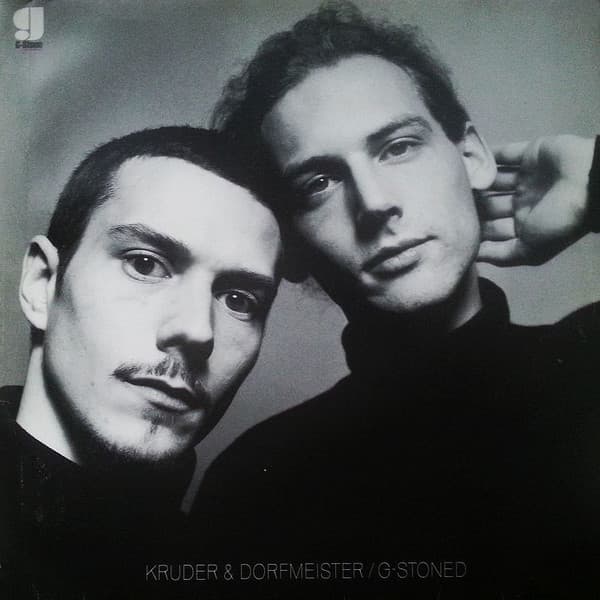
Kruder & Dorfmeister
G-Stoned
1993
An early statement before the larger compilations.
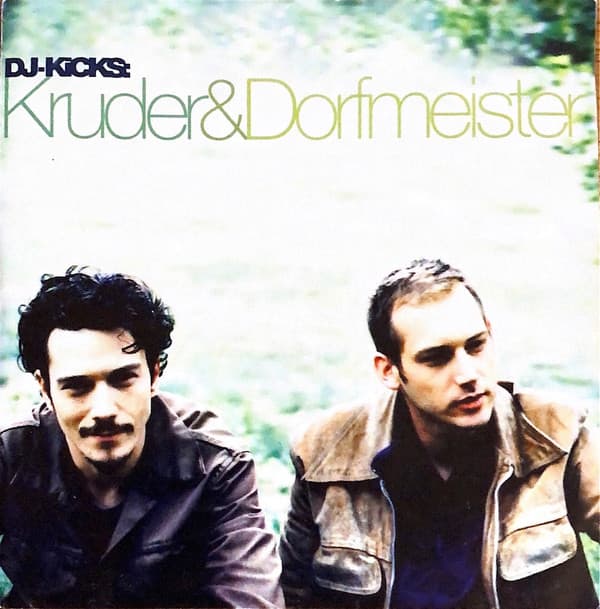
Kruder & Dorfmeister
DJ-Kicks
1996
The DJ’s record bag as a route into the sound.
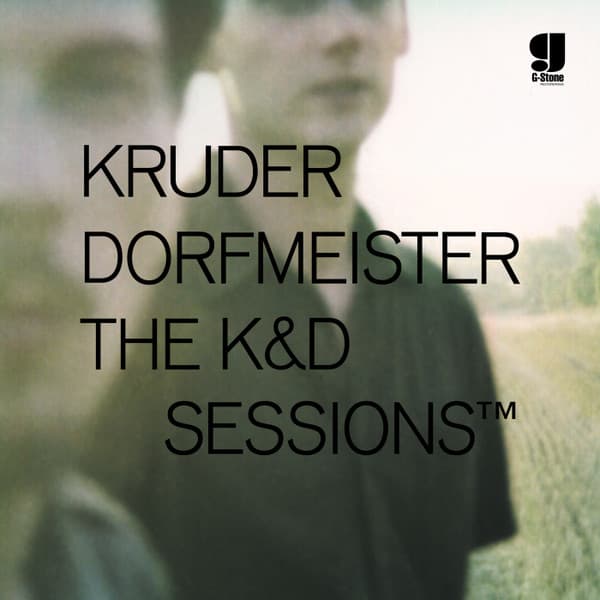
Kruder & Dorfmeister
The K&D Sessions
1998
Remixes and sequencing create a sustained environment.
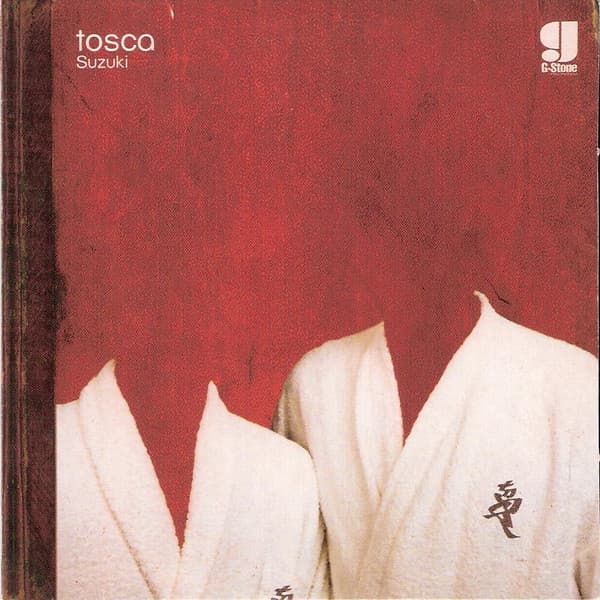
Tosca
Suzuki
2000
A related duo with its own album-scale identity.
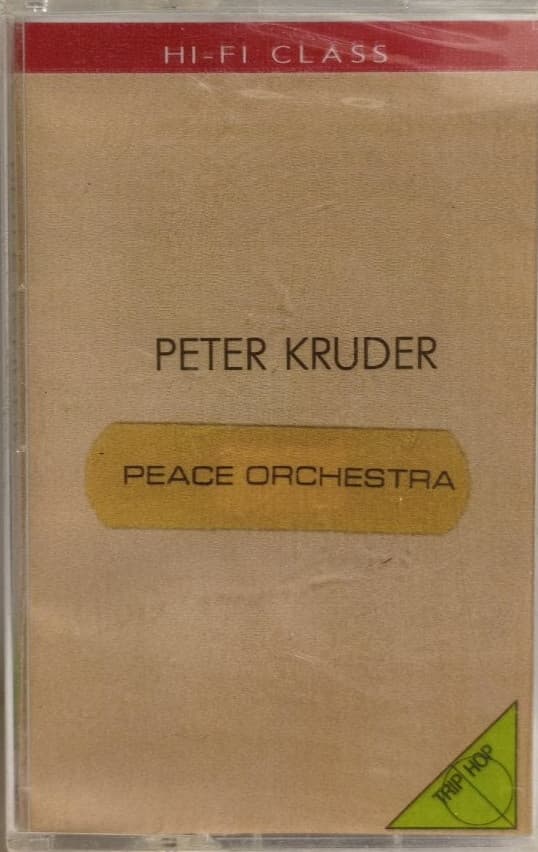
Peace Orchestra
Peace Orchestra
1999
Peter Kruder opens another branch.
Rodney Hunter
Trekstore
2001
A G-Stone regular on his own record.
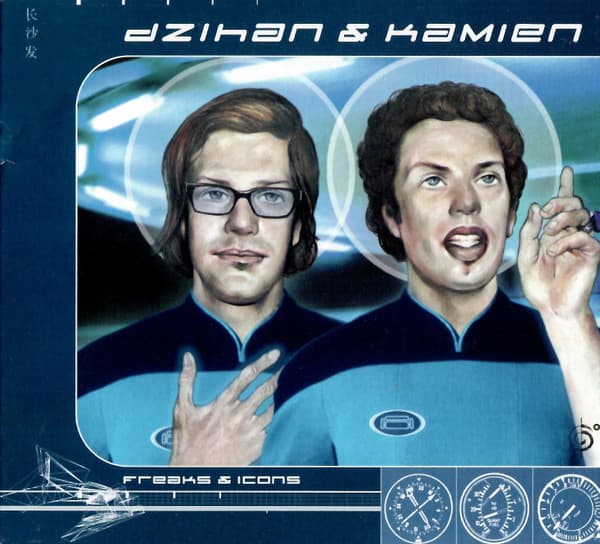
dZihan & Kamien
Freaks & Icons
2000
Vienna downtempo's jazz-sampling wing.
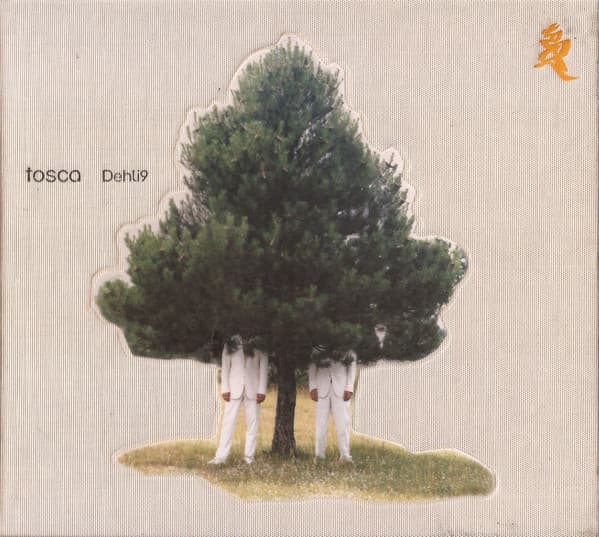
Tosca
Dehli9
2003
The double album at the project's peak.
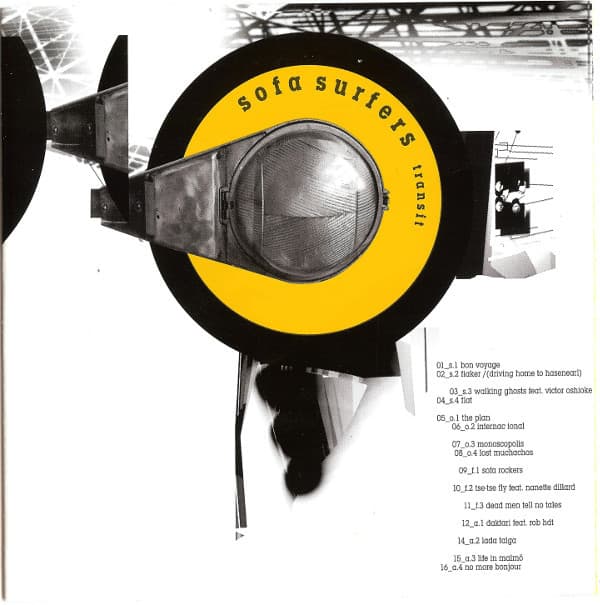
Sofa Surfers
Transit
1997
The darker, bass-heavy side of the city.
Oddballs


Keep digging
- Tosca beyond Kruder & Dorfmeister
- Follow a remix back to its source
- The Peace Orchestra branch
- Vienna’s wider independent electronic world