Washington, D.C. Hardcore
Fast, moral, self-released punk from a company town — and the label that made independence a working method.
What you're really asking
C. hardcore is mostly a set of rules about how records get made and shows get run: own the label, keep the price on the sleeve, play all ages.
The music moves from 90-second blasts in 1981 to something tangled and melodic by 1985. Same people, same studio in Arlington, same catalog numbers running in sequence.
Where it sits
Washington, 1979-1991. Bad Brains — four Black musicians who started as the fusion group Mind Power — played punk faster than anyone and left for New York.
The teenagers watching them picked it up. , Minor Threat, Government Issue, Void, Faith.
c. space and the Wilson Center; almost everything was tracked by Don Zientara at Inner Ear in Arlington.
By 1985 the speed had curdled and a loose reset the locals called Revolution Summer put Rites of Spring, Embrace and Beefeater on stage — longer songs, broken voices. Fugazi formed in 1987 and turned the ethic into policy: $5 shows, cheap records, no merchandise.
The press called the 1985 bands emo. They hated the word.
The scene
R. and Dr.
Know, Guy Picciotto, Brendan Canty, Amy Pickering, Zientara behind the board, Dischord House in Arlington as the mailing address. What: trebly guitars, no solos, drums up front, vocals shouted rather than sung, lyrics about betrayal and self-control instead of politics abroad.
Tempos drop after 1984; guitars start ringing instead of chugging. 50 Postpaid from Dischord" ran as a stripe across the front of Out of Step.
Catalog number in sequence, no contracts.
The leading records
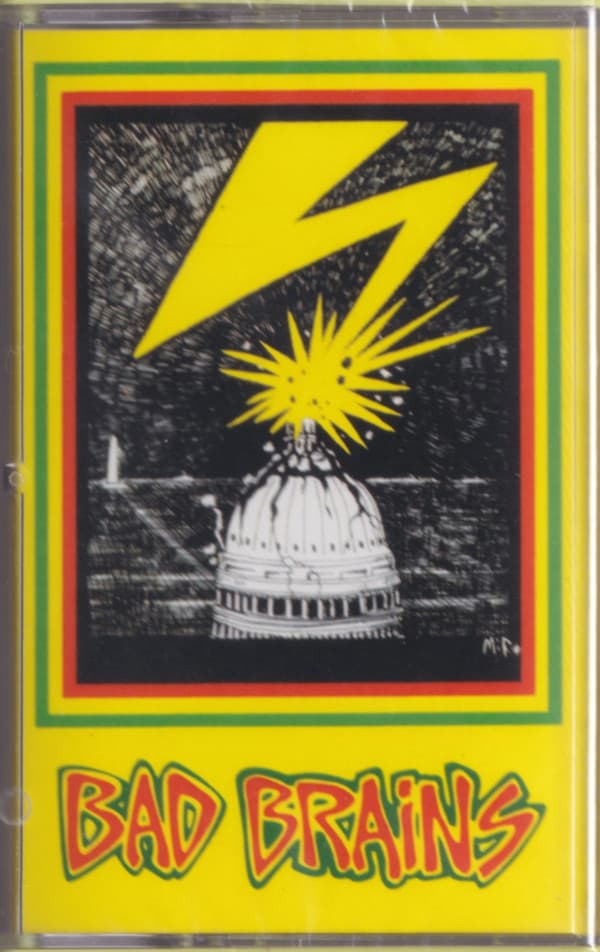
Bad Brains
Bad Brains
1982
Issued on cassette by ROIR, not vinyl — the record everyone in D.C. heard on a dub of a dub.
Minor Threat
Out of Step
1983
The only official album the band released; first US pressing has a plain black back cover and the original mix with echo on Ian's voice at the end of side B.
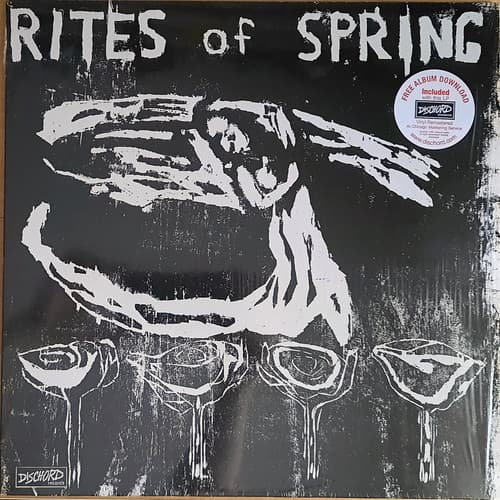
Rites of Spring
Rites of Spring
1985
Music tracked live in one take in the dark with a strobe going, vocals in one pass, almost no overdubs.
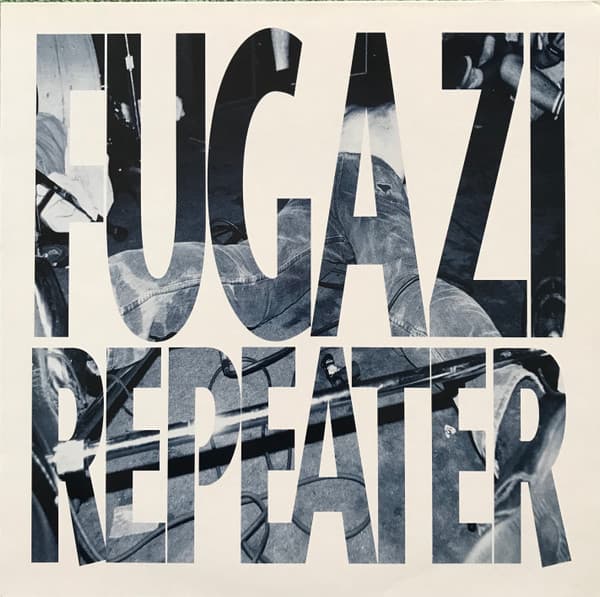
Fugazi
Repeater
1990
Dischord 45. Dub-weight bass under two guitars that argue — the scene's exit from hardcore tempo entirely.
Void / Faith
Faith/Void Split
1982
Dischord 8. Two bands, one slab: Faith's straight-ahead side against Void's falling-apart side, the city's split personality in one sleeve.
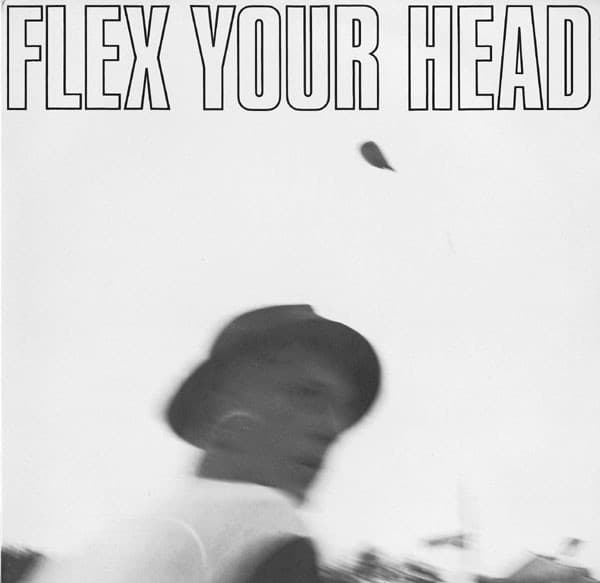
Various
Flex Your Head
1982
Dischord 7. Eleven local bands, most with no other record — the census document of the first wave.
Oddballs
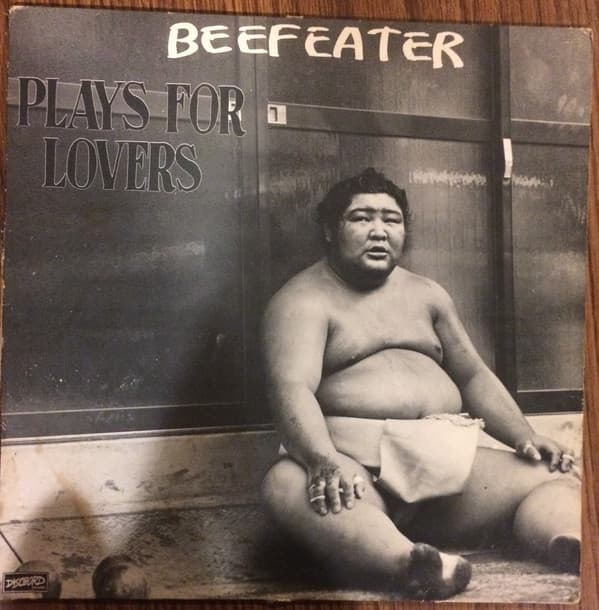
Beefeater
Plays for Lovers
1985
Dischord putting out funk bass, trumpet and Tomas Squip's yelp — proof Revolution Summer meant breaking the template, not refining it.
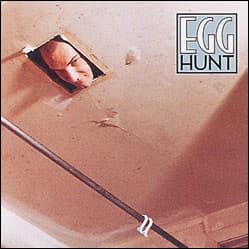
Egg Hunt
Me and You
1986
MacKaye and Nelson, two men, one 7", cut in England at Southern with John Loder — the Minor Threat afterlife nobody expected.
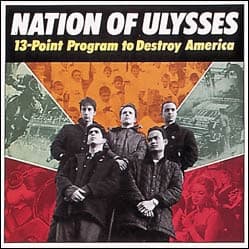
The Nation of Ulysses
13-Point Program to Destroy America
1991
Horns, suits and a manifesto; Dischord's second generation treating hardcore as costume and theory.
Keep digging
- What did Revolution Summer actually change?
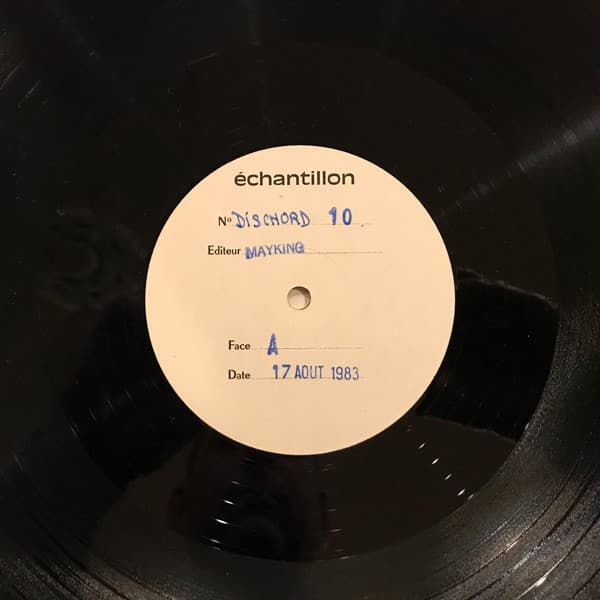
- Which Dischord pressings are original versus repress?
- Where did go-go and hardcore overlap in D.C.?